
The short answer
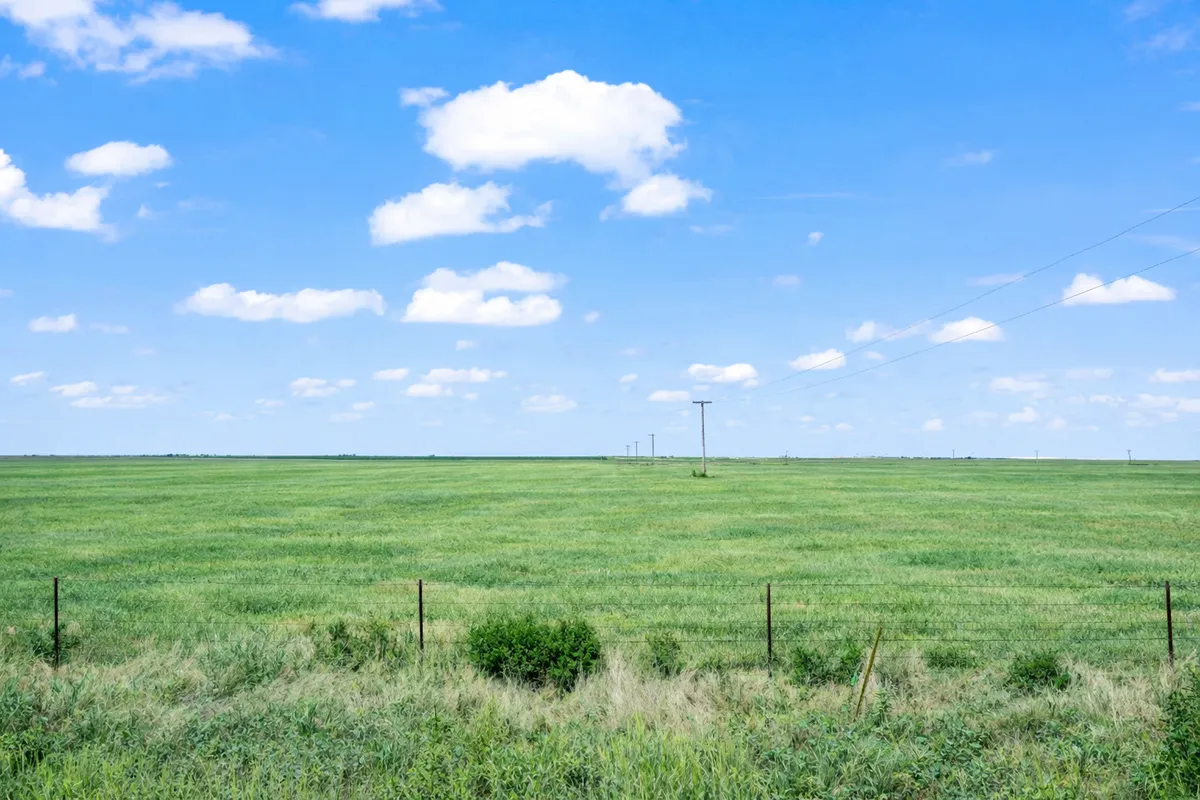
On 10 acres in Texas you can build a home, keep chickens, goats or a horse, grow a big garden, put up a shop or start a small side business. What fits depends on water, septic, county rules and the tract’s recorded subdivision rules, so check those four things before you plan.
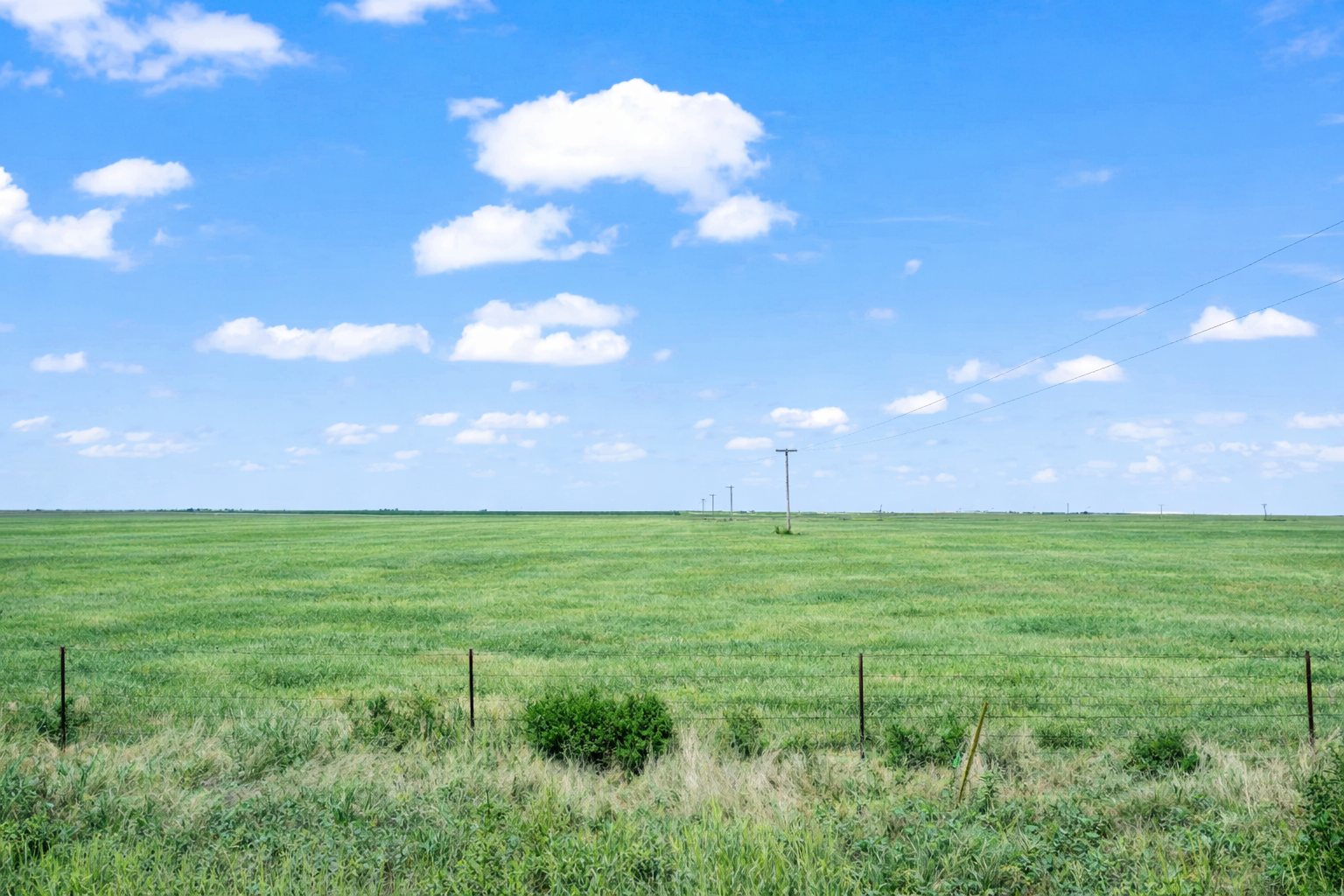
Most folks who call us about land start with a picture in their head: a house set back from the road, a few goats, a garden, maybe a shop for the truck. Ten acres is a great size for that dream. It is big enough to give you room and privacy, and small enough that one family can take care of it. This guide walks through the most common ideas, what each one needs, and where to read more. When you are ready, the best next step is to come walk the land in person.
Ten acres at a glance
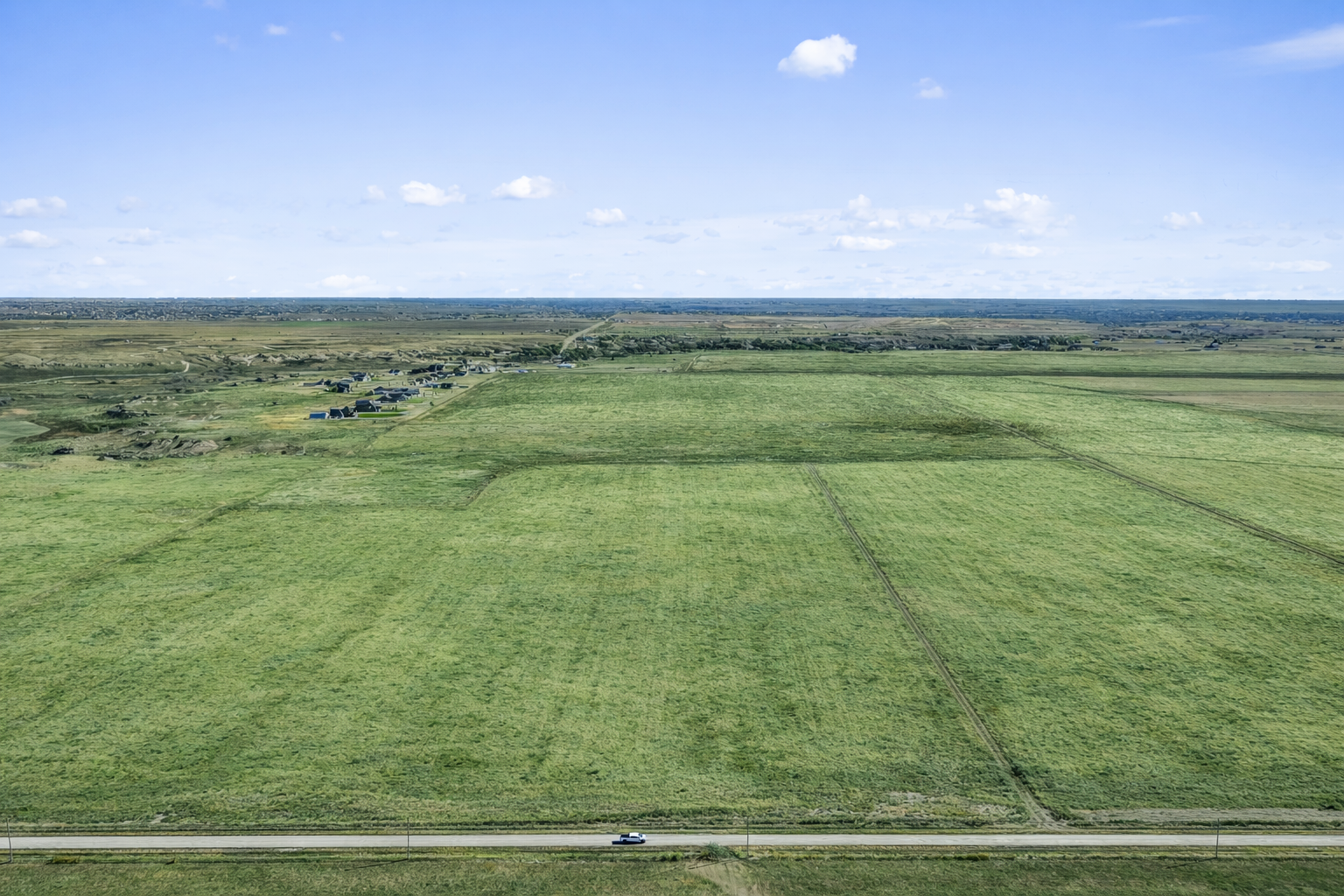
One acre is 43,560 square feet, so 10 acres is about 435,600 square feet. Many of our 10-acre tracts are long and narrow rather than square. Our Canyon Vista Estates tracts near Canyon, for example, are listed at 320 by 1,359 feet, and Theresa Farms tracts near Brownfield are listed at 285 by 1,530 feet. That shape works well for a simple layout: home near the road so the driveway stays short, garden and pens behind the house, and pasture or open space at the back.
Ideas for 10 acres
Here are seven ways people use 10 acres in Texas. Many owners mix two or three of them.
1. A homestead and a home
The most common plan is a home with room around it. That could be a site-built house, a manufactured home or a modular home, depending on what the tract allows. Each Victory property page lists that tract’s recorded subdivision rules. The Canyon Vista Estates page, for example, says no mobile homes, while manufactured and modular homes are allowed. Read the rules on the page for the tract you like, then ask the county what permits a home needs there. Our guides to buying land for animals and a homestead and putting a mobile home on land in Texas go deeper.
2. Animals: chickens, goats, horses or a few cattle
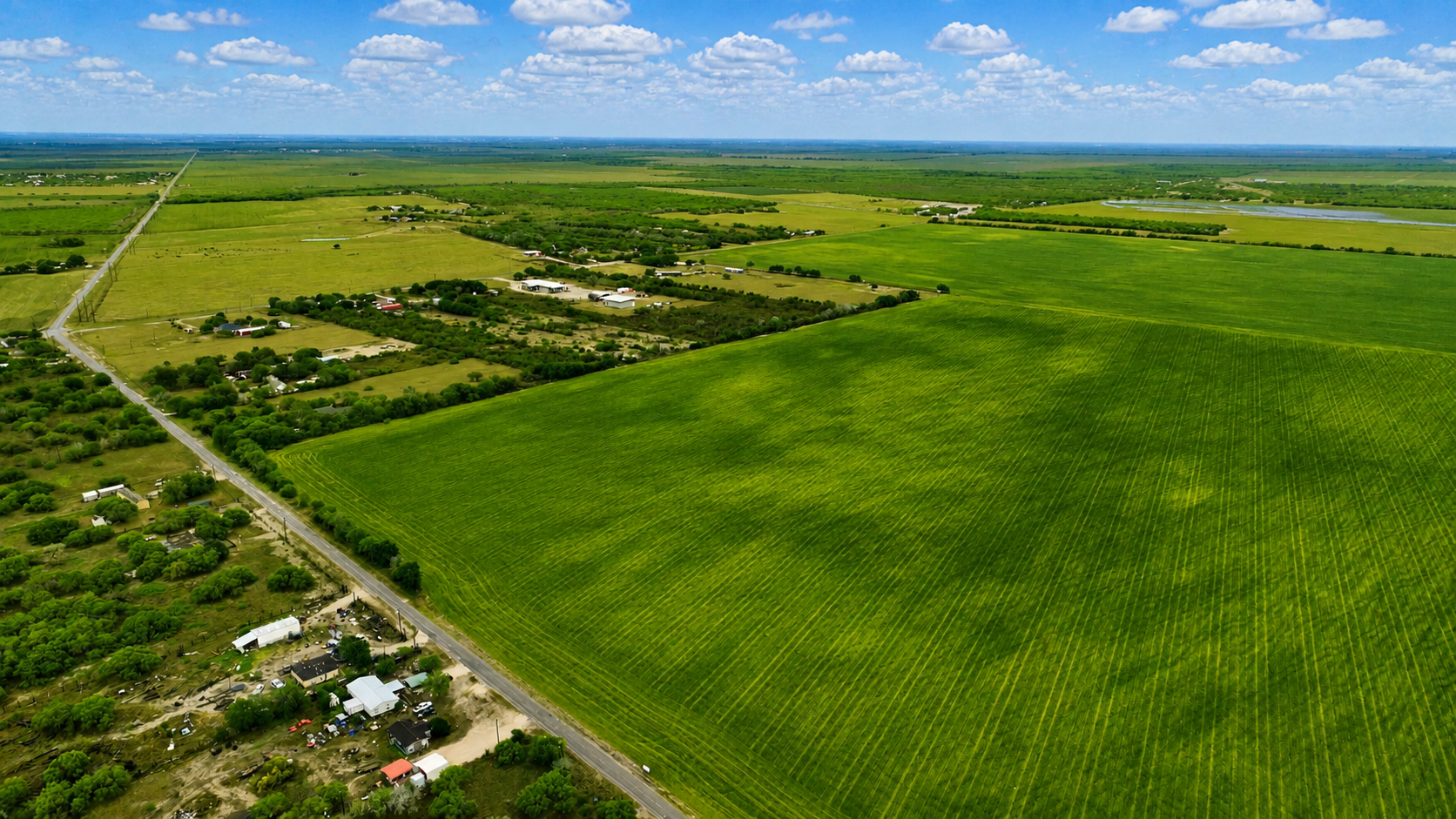
Animals are allowed in every Victory subdivision, but always check the tract’s recorded subdivision rules and county rules for the kind and number of animals you have in mind. How many animals 10 acres can carry depends on rain and grass. The Texas A&M AgriLife grazing guide says rainfall is the most important factor in how much forage land grows across most of Texas, and that rainfall gets more variable the farther west you go. AgriLife measures grazing in “animal units,” roughly a 1,000-pound cow and her calf, and counts about five sheep or six goats as one animal unit.
In practice, plan on buying hay or feed for part of the year, especially on drier West Texas land. Chickens and a few goats are an easy start. Good fencing, shade and a water trough matter more than the number of acres. See our first-year setup guide for small livestock for the order to set things up.
3. A big garden or a small farm
Ten acres leaves plenty of room for a kitchen garden, a small orchard, a market garden or a hay patch. Start small, test your soil (the Texas A&M soil testing lab can help), and put the garden close to your water source. Our guide to farming on 10 acres in Texas covers what 10 acres can grow, water, soil and how to market your harvest.
4. A shop, barndominium or workshop
Many buyers want a big metal building for tools, trucks, a hobby or a home with a shop under one roof. Before you build, ask the county about building permits and check the tract’s recorded subdivision rules. Plan where the slab, the driveway and the power drop will go before you order anything. Read more in land for a shop or small business in Texas.
5. Wildlife, bees and hunting
Some owners leave part of the land natural for birds and wildlife or keep a few hives. In Texas, wildlife management and beekeeping can tie into special tax appraisal in some cases, which we cover in wildlife and beekeeping valuations on small Texas tracts. Hunting is allowed on all Victory tracts over 10 acres. Our guide to hunting land on a small tract covers licenses and safety.
6. A small business
Some people picture a plant nursery, a workshop, or a place to park work trucks and equipment. County rules vary, and so do the recorded subdivision rules on each tract, so check both and talk with us before you build a plan around a business. Our posts on land to park work trucks and land for a shop or small business walk through the questions to ask.
7. A tiny home or RV while you build
Some buyers want to stay on the land part-time or live small while they save for a house. Rules for tiny homes, RVs and mobile homes vary by county and by tract, and some tracts do not allow mobile homes, so read the tract page and ask the county first. Our guide to setting up a home on raw land walks through a step-by-step setup order for raw land.
A simple way to sketch your 10 acres
Grab the tract map from the property page and draw four things: where the driveway meets the road, where the home site goes, where the well and septic field will sit (they need to be kept apart, so ask your installer about spacing), and where the animals and garden go. Bring that sketch when you visit the land.
What to plan before you build
Raw land usually comes without city water or sewer, so a home on 10 acres needs a few basics in place first.
- Water. Most rural tracts rely on a private well. Check whether a groundwater conservation district covers the county using the Texas Water Development Board’s list of groundwater conservation districts, and ask them about well registration or permits before you drill. Our guide to water wells on West Texas land covers well depth, groundwater districts and what a well takes.
- Septic. Septic systems in Texas are permitted under state rules, often through the county. See the TCEQ on-site sewage facility page and our guide to septic permits on rural Texas land.
- Power. Call the electric provider for the area early, ask what a service drop to your home site would take, and plan your home site with that in mind.
- Road access. Know how you will get from the road to your home site, including any driveway or culvert the county may want. Read our guide to road access and easements.
For a single overview of the water and septic side, see raw land, wells and septic.
Picture your place on 10 acres
Open a property page to see tract maps and prices. Or call or text 806-606-0824 with questions.
See available land Call or text 806-606-0824Taxes: can 10 acres qualify for a break?
Maybe, but size alone is not what decides it. Texas offers special appraisal for land used for farming, ranching, timber or wildlife management. According to the Texas Comptroller, land must be devoted principally to agricultural use to the degree of intensity generally accepted in the area, and it generally needs a history of that use for at least five of the past seven years. Wildlife management use applies to land that already qualified for agricultural or timber appraisal. Your county appraisal district decides each application.
We never promise that a tract will qualify, and you should talk to the appraisal district before you count on any tax savings. Our guide to ag exemptions on 10 acres in Texas explains how it works.
What does 10 acres cost in Texas?
It depends a lot on location. On our properties page this morning, starting prices for 10-acre tracts ran from $39,900 near Brownfield to $199,900 near Rio Grande City, with tracts near Amarillo, Canyon, Lubbock and Corpus Christi in between. Prices can change, so always check the live property page. For statewide context, read how much an acre of land costs in Texas.
Buying 10 acres with owner financing
Our owner financing comes with simple approval and no minimum credit score. We do check credit and verify income. At closing, your deed is recorded with the county. See how owner financing works on Texas land or our owner financing process for the steps.
See 10 acres in person
Every buyer should see the land before buying it. Photos are a good start, but standing on the tract tells you far more. When you visit, look at:
- Where you would put the home site, and how far it sits from the road.
- Where a well and septic field could go.
- Road frontage, the driveway spot and any ditch along the road.
- Fence lines and corner markers, so you know where the tract starts and ends.
- Low spots where water could sit after a heavy rain.
Pick a property below, check the tract map and price, then call or text 806-606-0824 with questions. Area pages for Amarillo, Lubbock, Corpus Christi and the Rio Grande Valley show what is available in each region, and our 10-acre tracts near Canyon are a good example of the size this guide covers.
See Available Land
Owner-financed 10-acre tracts across Texas, with your deed recorded at closing. Prices and availability change, so check each page.
Frequently asked questions
What can you do with 10 acres in Texas?
You can build a home, keep animals like chickens, goats or a horse, grow a big garden or a small crop, put up a shop, or run a small side business. What fits on a given tract depends on water, septic, county rules and that tract’s recorded subdivision rules, so check all four before you plan.
How many animals can you have on 10 acres in Texas?
It depends on your rainfall, your grass and how you manage it. Texas A&M AgriLife measures grazing in animal units, roughly a 1,000-pound cow and her calf, and says five sheep or six goats eat about as much as one animal unit. Plan to buy hay or feed, and ask your county AgriLife Extension office what your land can carry.
Can you build a house on 10 acres in Texas?
Yes, in most rural areas, as long as the tract’s recorded subdivision rules allow the kind of home you want. On rural land you will usually need a permitted septic system, a water source such as a well, and power. Call the county about permits and check the tract page before you pick a home site.
Can you get an ag valuation on 10 acres in Texas?
Possibly. The Texas Comptroller says the land must be devoted principally to agricultural use to the degree of intensity generally accepted in the area, with a history of that use, and your county appraisal district makes the call. Size alone does not qualify land, and we never promise that a tract will qualify.
Do I need a septic permit and a well on 10 acres?
If you plan to live on raw land with no city water or sewer, you almost always will. Septic systems in Texas are permitted under TCEQ rules, often through the county. Wells may need to be registered or permitted with the local groundwater conservation district, so ask them before you drill.
Can I buy 10 acres in Texas with owner financing?
Yes. Victory Land Sales offers owner financing with simple approval and no minimum credit score. We do check credit and verify income. Your deed is recorded with the county at closing.
Find your 10 acres in Texas
Check the tract map and prices on each property page. Call or text 806-606-0824 anytime.
See available land Call or text 806-606-0824Follow Victory Land Sales


New land, buyer tips and stories from the field.
About the author
Bo “Knows Dirt” Birkeland, VP of Victory Land Sales
Bo Birkeland is all about land (it's in his name!), real estate, and helping people find their perfect spot to call their own. As the sales leader of Victory Land Sales, he connects buyers with great properties, whether for building, investing, or just having a place to escape. He knows firsthand what it means to own land and loves helping others find their own slice of it.