
Short answer: Public cost guides put typical High Plains water wells at about 100 to 300 feet deep, but depth changes from one spot to the next. In the High Plains Water District, a household well under 17.5 gallons per minute doesn't need a permit. Check nearby well logs and get local quotes before you budget.
Almost every Victory Land Sales tract around Lubbock is raw land. Power is available at the road, and the buyer brings in a well and a septic system. That's the part that surprises first-time buyers, so this guide takes it one question at a time: how deep wells go on the South Plains, who regulates them, what a well tends to cost, and which of our tracts already have one. For the full list of land, see our page on land for sale near Lubbock.
Ask about water on a specific tract
Tell us which property you are looking at, and we will share what we know and set up a time to walk it.
Book a land tour Call or text 806-606-0824Why most West Texas tracts need a well
Most of our land is sold raw. There's no well and no septic system on the tract, and power is available on all lots. Every current Lubbock-area tract page lists "Well water: wells required" and says a septic system is needed, with the buyer responsible for installing both. That's normal for rural land in this part of Texas. If you want the full raw-land picture, including septic and utilities, read our post on owner-financed land with a well and septic.
Here are the Lubbock-area properties we're talking about, with the county each deed is recorded in, straight from the tract pages:
| Property | Near | County | Water |
|---|---|---|---|
| Abernathy | Abernathy | Lubbock | Wells required |
| Reid Farms | Idalou | Lubbock | Wells required |
| Hockley Farms | Levelland | Hockley | Wells required |
| Yolanda Farms | New Home ISD | Lynn | Wells required; two tracts have a well |
| Theresa Farms | Brownfield | Terry | Wells required |
How deep are water wells near Lubbock?
The honest answer is that it depends on the exact spot. Two tracts a few miles apart can have different water levels, different yields and different drilling conditions. Here's what we can say with sources behind it.
What the tract pages say
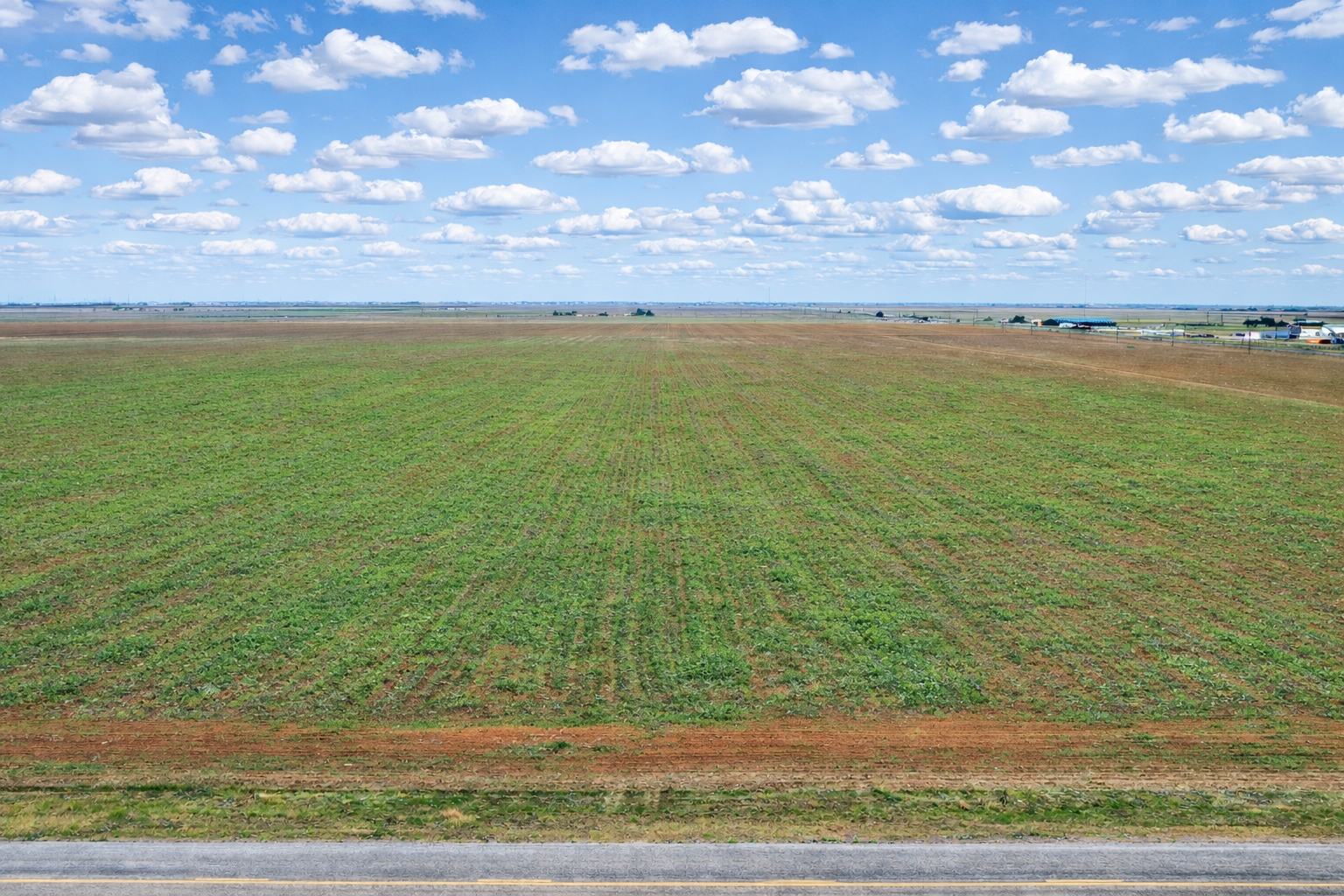
Only one Lubbock-area tract page gives a depth. The Abernathy page says local reports show wells at about 250 to 300 feet with 10 to 15 gallons per minute of output. The other Lubbock-area tract pages don't state a depth, so we don't guess at one. If a number matters to your plans, ask us what we know about a specific tract and then ask a local driller.
The regional range
For a wider view, the 2026 Texas guide from WellDrillingCosts.com lists typical residential well depths of about 100 to 300 feet across the High Plains and Panhandle. The same guide points out that water levels have been falling in parts of the southern High Plains for decades, so a new well can need to go deeper than an older neighbor's well did. Treat any depth you read online as a starting point, not a promise.
How to look up wells near a tract
You can check real nearby wells before you buy. The Texas Water Development Board (TWDB) keeps a public Submitted Driller's Report database. Here's one simple way to use it:
- Open the tract page and copy the coordinates listed under "Location."
- Open the TWDB groundwater data tools and zoom the map to those coordinates.
- Click wells near the tract and open their reports.
- Look at the total depth, the water level when drilled and the reported yield.
A handful of nearby reports tells you more than any general number. Better yet, hand the same reports to a local driller and ask what they'd expect on your tract.
Groundwater districts and permits
In Texas, groundwater is managed locally by groundwater conservation districts. Some counties are fully covered, some are partly covered and some have no district at all, so the first job is finding out which rules apply to your tract.
The High Plains Water District
The High Plains Underground Water Conservation District No. 1 (HPWD) was created in 1951 and is based in Lubbock. By its own description, it covers all of Bailey, Cochran, Hale, Lamb, Lubbock, Lynn, Parmer and Swisher counties, and parts of Armstrong, Castro, Crosby, Deaf Smith, Floyd, Hockley, Potter and Randall counties. Its office number is (806) 762-0181.
Household wells under 17.5 gallons per minute
Per HPWD, a water well that produces less than 17.5 gallons per minute doesn't require an HPWD permit. Registering these household wells with HPWD is worthwhile, and the district has an online registration page. Registration puts your well on record and gives it a minimum 100-yard spacing protection from newly permitted wells. HPWD also offers services such as water level measurement, flow tests and basic water quality screening to registered owners.
Wells that need a permit
A well expected to produce 17.5 gallons per minute or more needs a permit from HPWD before drilling. Spacing rules grow with production. For example, a well permitted for up to 70 gallons per minute must be at least 100 yards from the nearest valid well and 25 yards from property lines. Most household wells won't be in this group, but irrigation or livestock wells might be.
If your tract is outside the High Plains district
Not every tract near Lubbock sits inside HPWD. Of the counties above, Terry County isn't on HPWD's county list, and only part of Hockley County is. Other districts have their own rules, and some areas have no district. Check the TWDB map of groundwater conservation districts and call the district office that covers the tract's exact location before you drill. We can tell you the county a tract is in, but we don't name a district for you.
Before you buy: a quick well checklist
- Find the tract's county on its page and check which groundwater district, if any, covers it.
- Pull a few nearby well reports from the TWDB driller database.
- Ask two or three licensed local drillers for written quotes.
- Plan a septic system too, since the buyer installs both.

The Ogallala in context
Much of the groundwater on the High Plains comes from the Ogallala Aquifer, which also supports a great deal of irrigated farming. A household well uses a tiny fraction of what irrigation draws, but the aquifer isn't unlimited, and water levels differ a lot across the region. That's the reason to do your homework on any specific tract: read nearby well logs, ask a local driller about water-level trends, and don't assume that a well that worked for a neighbor years ago will look the same today.
None of this means a tract is a bad buy. Private wells are a normal part of rural life in West Texas. It means a well is a real part of your build budget and your timeline, and it deserves the same attention as the house.
Want to see the land for yourself?
Standing on a tract tells you more than a photo can. Book a land tour near Lubbock.
Book a land tour Call or text 806-606-0824What a well costs and how long it takes
Public ranges, not our prices
We don't drill wells, so we don't quote a price for one. Here are public ranges, with the source named, to help you plan:
- WellDrillingCosts.com (2026) lists High Plains and Panhandle drilling at about $25 to $38 per foot and a typical well at roughly $4,000 to $10,000.
- DrillerDB (2026) says a complete private well system in Texas, with pump, pressure tank and testing, typically runs about $6,000 to $30,000 or more, depending on depth and geology.
Those are estimates from cost aggregators, not quotes. Get two or three written quotes from licensed local drillers. Ask each one what depth they're pricing, what casing and pump they include, and what happens if they have to drill deeper than planned.
What moves the price
Depth is the biggest factor, because most drillers price by the foot. Casing material (steel or PVC), pump size, water treatment and how easily the rig can reach your tract also change the total. A district permit, where one is required, adds to the paperwork and sometimes the wait.
How long it takes
DrillerDB estimates about 4 to 10 weeks from planning to usable water on a typical Texas project. Busy seasons and permit steps can stretch that, so plan to line up a driller early.
Hiring a licensed driller
Texas water well drillers and pump installers are licensed by the Texas Department of Licensing and Regulation (TDLR). You can check a license on the TDLR license search before you hire anyone. After the well is finished, the driller files the state well report, which later shows up in the TWDB database for the next buyer to read.
Tracts that already have a well
Most of our tracts are raw, but a few come with a well already in place:
- Yolanda Farms (Lynn County, New Home ISD): the tract page lists tracts #5 and #8 as having a well.
- Abernathy (Lubbock County): the tract page notes that some tracts already have a well installed. The page spells out which ones and what that means for the price, so read it before you pick a tract.
Tracts sell, so confirm availability on the tract page or by calling 806-606-0824 before you plan around a specific tract.
Buying raw land with owner financing
You can buy any of these tracts with cash, with a loan from your own lender, or with owner financing straight from us. Owner financing comes with simple approval: we check credit and verify income, and there's no minimum credit score. You get a deed at closing, recorded with the county clerk, and Victory Land Sales holds the lien until the land is paid off. For a step-by-step walkthrough, read how owner financing works on land in Texas or visit our owner financing process page.
Victory Land Sales is veteran-owned. Texas veterans and military members can ask about buying with as little as 5% down through a Texas Veterans Land Board (VLB) loan. VLB loans close through a title company. Our guide to Texas land for veterans has more.
Planning to farm or keep animals on your land? Our post on the ag exemption on 10 acres in Texas covers how agricultural valuation and rollback taxes work, and our guide to land for sale near Lubbock compares the areas.
Ready to walk your future land?
Our local team will show you around and answer your questions on the spot.
Book a land tour Call or text 806-606-0824See Available Land
Owner-financed land around Lubbock, with a deed recorded in your name at closing.
Frequently asked questions
How deep are water wells near Lubbock, Texas?
It varies by location. The Abernathy tract page cites local reports of about 250 to 300 feet with 10 to 15 gallons per minute. Public cost guides put typical High Plains residential wells at about 100 to 300 feet. Check nearby well reports in the TWDB driller database before you budget.
Do I need a permit to drill a household water well near Lubbock?
In the High Plains Water District, a well that produces less than 17.5 gallons per minute does not need an HPWD permit, and wells at 17.5 gallons per minute or more need a permit before drilling. Other districts have their own rules, so check which district covers your tract.
How much does it cost to drill a well in West Texas?
Public cost guides put a typical High Plains or Panhandle well at roughly $4,000 to $10,000, and a complete Texas well system with pump, tank and testing at about $6,000 to $30,000 or more. These are estimates, so get written quotes from licensed local drillers.
Which groundwater district covers my land?
It depends on the tract's exact location. The High Plains Water District covers all of some counties, such as Lubbock and Lynn, and only part of others, such as Hockley. Use the TWDB groundwater conservation district map or call the district office to confirm.
How can I see how deep the wells are near a tract I am considering?
Use the TWDB Submitted Driller's Report database. Zoom to the coordinates on the tract page, open nearby well reports and look at total depth, water level and yield.
Do any Victory tracts already have a well?
Yes. The Yolanda Farms page lists tracts #5 and #8 as having a well, and the Abernathy page notes that some tracts have a well installed. Confirm availability on the tract page before you plan around one.
Follow Victory Land Sales


New land, buyer tips and stories from the field.
About the author
Bo “Knows Dirt” Birkeland, VP of Victory Land Sales
Bo Birkeland is all about land (it's in his name!), real estate, and helping people find their perfect spot to call their own. As the sales leader of Victory Land Sales, he connects buyers with great properties, whether for building, investing, or just having a place to escape. He knows firsthand the freedom that comes with owning land and loves helping others find their own slice of it.