
Short answer: Yes, 10 acres can qualify for what Texans call an "ag exemption," but there's no automatic acreage that guarantees it. It's really a special appraisal called 1-d-1 open-space valuation. Your county appraisal district sets its own standards, and the land generally must have been in qualifying agricultural use for at least 5 of the past 7 years.
If you're shopping for a few acres to run some cattle, goats or bees, you've probably heard that an ag exemption can cut your property taxes a lot. That's true, but the rules are local, the history of the land matters, and changing how you use the land later can trigger a rollback tax. This guide walks through how it works in plain English so you can ask the right questions before you buy.
Want acreage you can run animals on? See land near Lubbock, land near Amarillo, or call 806-606-0824.
What a Texas "ag exemption" actually is
Here's the part most people miss: it isn't technically an exemption. Nothing is exempted from tax. Instead, Texas lets qualifying land be appraised differently. Normally your appraisal district values land at market value, meaning what it would sell for. With agricultural special valuation, the district values the land based on what it can produce, which is usually far lower. You still pay property tax, just on a smaller number.
1-d-1 open-space vs 1-d ag valuation
The Texas Constitution has two versions, named after the sections that created them:
- 1-d-1 (open-space) valuation is the one nearly everyone means when they say "ag exemption." It's based on the land's current use for agriculture and its history of that use. It's covered in Texas Tax Code sections 23.51 through 23.60.
- 1-d agricultural valuation is much stricter. Among other things, the owner's primary occupation and source of income must be agriculture. Very little land is appraised this way, and it isn't a fit for most small-acreage buyers.
For the rest of this post, "ag exemption" means 1-d-1 open-space valuation.
Market value vs productivity value
Think of two identical 10-acre tracts sitting side by side. One is grazed under a real grazing plan and has qualified for years. The other is just open land. The appraisal district values the first tract by what the land could earn from grazing, using its own published productivity tables for that type of land. It values the second tract at what it would sell for. Because land near growing towns often sells for much more than it could ever earn raising livestock, the gap between those two values can be large, and that gap is where the tax savings come from. The actual numbers depend entirely on your county, your soil type and your ag use, so ask the appraisal district for its figures.
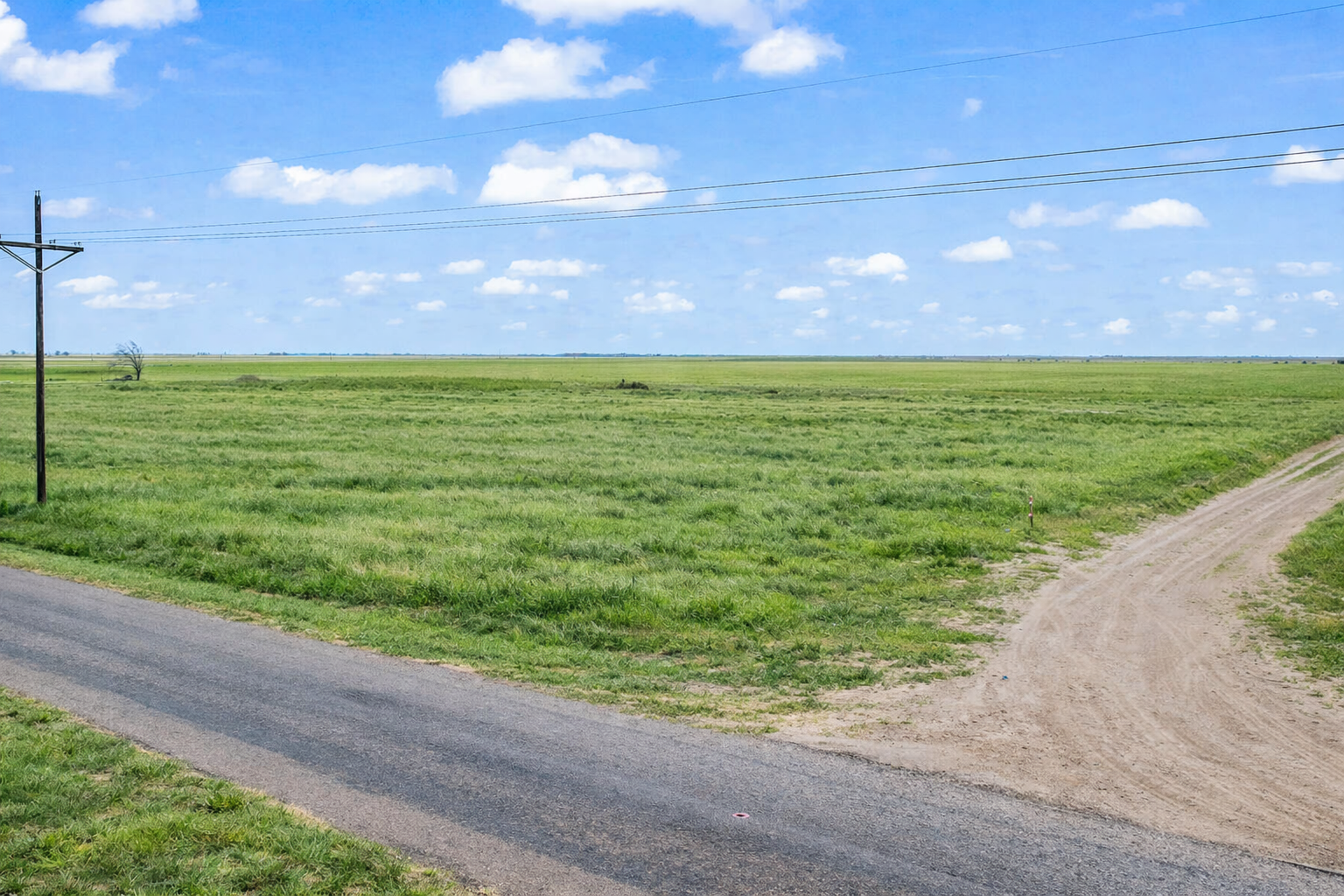
Can 5 or 10 acres qualify for an ag exemption in Texas?
They can. Texas law doesn't set one statewide minimum acreage for 1-d-1 valuation. What decides it is whether the land is used for agriculture to the degree of intensity that's typical for your area, and whether it has the required history.
No statewide minimum: your appraisal district sets the bar
Each county appraisal district publishes its own agricultural guidelines. Many list minimum acreages by type of use, such as a minimum for grazing cattle or for hay. Those numbers vary from county to county, so a 10-acre tract that qualifies in one county may fall short in the next. Before you buy, look up the guidelines for the county the land sits in and read the section for the use you have in mind.
The 5-of-7-years rule
Under the Tax Code, land generally must have been devoted to agricultural production for at least 5 of the preceding 7 years to qualify for 1-d-1 valuation. That's why the land's history matters as much as your plans. If you buy land that's already qualified and keep using it the same way, you can usually apply to continue the valuation. If you buy land with no ag history, you'll typically need to build that history first, paying taxes on market value in the meantime.
When you look at a tract, ask the seller and the appraisal district whether it's currently appraised as ag land and what its use has been. The county's appraisal records are public, and many districts let you search a property online.
Beekeeping and wildlife management
Beekeeping: Texas law counts raising or keeping bees for pollination or for producing honey as an agricultural use. Land used mainly for beekeeping must be at least 5 acres and no more than 20 acres, so it's one of the few uses written with small tracts in mind. Your appraisal district will still set how many hives and what kind of management it expects.
Wildlife management: Texas also allows land to keep its open-space valuation while it's used for wildlife management, such as habitat control, supplemental water or food, and census counts. The catch is that the land generally must already qualify for ag valuation before you switch it to wildlife use. It's a way to keep a qualification, not a shortcut to get one.
Before you buy for an ag exemption, ask these 4 questions
- Is the tract appraised as ag (1-d-1) land right now?
- What has it been used for over the past 7 years?
- What are this county's minimum acreage and intensity rules for the use I'm planning?
- Do the deed restrictions allow the animals or crops I want?
What counts as agricultural use
The Texas Comptroller's guidelines for agricultural land list a range of uses that can qualify. The most common for small acreage are:
Grazing, hay, crops, orchards and bees
- Grazing livestock such as cattle, goats, sheep or horses used in a livestock operation.
- Hay production, cut and baled on a regular schedule.
- Growing crops, including row crops on the South Plains.
- Orchards and other permanent plantings in some districts.
- Beekeeping on 5 to 20 acres, as covered above.
Keeping a horse for pleasure riding or a few pets usually isn't treated as agricultural production. The use must be a real agricultural operation run the way others in your area run it.
Degree of intensity: why 2 goats may not be enough
"Degree of intensity" is the standard that trips up a lot of small-acreage owners. The Tax Code requires the land to be used to the degree of intensity that's generally accepted in the area. Appraisal districts turn that into specifics, like a minimum number of animal units per acre or a set number of hives. Two goats on 10 acres might be a great hobby, but if your district expects more, the land won't qualify. Ask for the district's intensity standards in writing and plan your operation around them.
Rollback taxes: what happens if you build or change use
An ag valuation comes with a string attached. If land that's been appraised under 1-d-1 changes to a non-agricultural use, Texas imposes an additional tax known as a rollback tax.
3-year lookback
Under Texas Tax Code section 23.55, the rollback tax equals the difference between the taxes you paid under the ag valuation and the taxes you would have paid at market value, for each of the 3 years before the year the use changed. The Texas Comptroller notes that a 2021 law (HB 3833) reduced the lookback for open-space land to 3 years and removed the interest that used to be added to rollback taxes. Ordinary penalties apply only if the rollback bill isn't paid by its due date. If you're buying land that's already under ag valuation, know that a change of use after you own it is your responsibility, so talk with the seller about it before closing.
Building a home on ag land
Many buyers want to build a home and keep the rest of the land in ag use. That's common, but the homesite itself isn't agricultural. Appraisal districts typically carve out the homesite (often around an acre, depending on the district) and appraise it at market value, which can trigger a rollback on just that portion. The rest of the land can keep its valuation as long as the ag use continues at the required intensity. Ask your appraisal district how it handles homesites before you pick where to build.
How to apply for an ag exemption, county by county
You apply with the appraisal district in the county where the land is located, not with the state.
The form and the deadline
The application is Texas Comptroller Form 50-129, the Application for 1-d-1 (Open-Space) Agricultural Use Appraisal. It's generally due before May 1 (by April 30) of the year you want the valuation. Late applications may be accepted with a penalty, and districts can ask for more information, such as leases, receipts or a management plan. Once the district approves you, you usually don't need to reapply every year unless the district asks, but you must tell it if the use changes.
Where to apply near Victory's markets
- Lubbock area: Lubbock Central Appraisal District, plus the Hockley, Terry and Lynn County appraisal districts for land around Levelland, Brownfield and Tahoka.
- Amarillo area: Randall County Appraisal District for land south and east of Amarillo, and Potter County for land north of town.
- Corpus Christi area: Nueces County and San Patricio County appraisal districts.
- Rio Grande Valley: Cameron County and Starr County appraisal districts.
Each district posts its ag guidelines and Form 50-129 on its website. The Texas Comptroller's property tax pages also publish the statewide guidelines for valuing agricultural and wildlife management land.
Does Victory land work for animals and ag use?
Many Victory tracts are open West Texas and South Texas land with room for livestock, hay or bees. Our tract pages for Hockley Farms near Levelland, Reid Farms near Idalou and Theresa Farms near Brownfield list homesteading, livestock and farming as uses, and Amelia Vista East near Amarillo has no HOA and no building restrictions. Deed restrictions vary by property, so read the restrictions on the tract page or ask us for them. Whether a specific tract qualifies for ag valuation is decided by its county appraisal district, so we always suggest checking a tract's appraisal records and the district's guidelines before you buy with an ag exemption in mind.
See Available Land
Open acreage near Lubbock and Amarillo with room for livestock, hay or bees.
Frequently asked questions
Can 10 acres qualify for an ag exemption in Texas?
Yes, it can. Texas has no statewide minimum acreage for 1-d-1 open-space valuation. Your county appraisal district sets its own minimums and degree-of-intensity standards, and the land generally must have been in qualifying agricultural use for at least 5 of the past 7 years.
What is the difference between an ag exemption and 1-d-1 valuation?
They are the same thing in everyday use. A Texas "ag exemption" is really 1-d-1 open-space special valuation, which taxes land on its productive agricultural value instead of its market value. You still pay property tax, just on a lower appraised value.
What are rollback taxes in Texas?
If land appraised under 1-d-1 changes to a non-agricultural use, Texas Tax Code section 23.55 imposes a rollback tax equal to the tax difference between ag value and market value for each of the 3 years before the change. A 2021 law removed the interest that used to be added.
Can I get an ag exemption for beekeeping?
Yes. Texas counts beekeeping as an agricultural use, and land used mainly for beekeeping must be between 5 and 20 acres. Your county appraisal district sets how many hives and what management it expects.
Where do I apply for an ag exemption?
Apply with the appraisal district in the county where the land is located, using Texas Comptroller Form 50-129. The application is generally due by April 30 of the year you want the valuation.
Do Victory Land Sales tracts allow livestock?
Many do. Our Lubbock-area tract pages list homesteading, livestock and farming as uses, and deed restrictions vary by property, so check the tract page or ask us. Whether a tract qualifies for ag valuation is up to its county appraisal district.
Ready to find your acreage? See all available land or call or text 806-606-0824 and we'll help you find a tract that fits how you want to use it.
Follow Victory Land Sales


New land, buyer tips and stories from the field.
About the author
Bo “Knows Dirt” Birkeland, VP of Victory Land Sales
Bo Birkeland is all about land (it's in his name!), real estate, and helping people find their perfect spot to call their own. As the sales leader of Victory Land Sales, he connects buyers with great properties, whether for building, investing, or just having a place to escape. He knows firsthand the freedom that comes with owning land and loves helping others find their own slice of it.