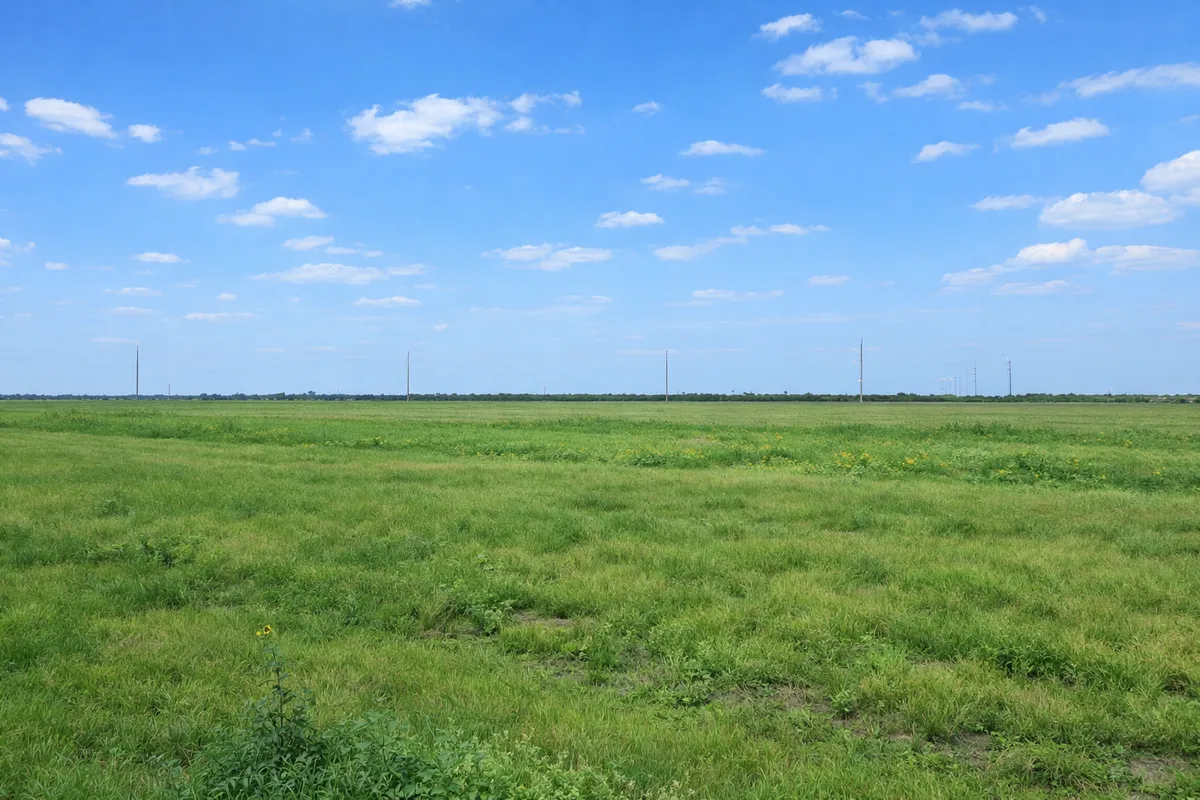

Short answer: Usually not. Most owner-financed rural land in Texas, including most Victory Land Sales tracts, is raw land: no well, no septic system and no house yet. On our tracts, power is guaranteed at the road. You add the water well and septic system yourself, with a licensed driller, a licensed septic installer and the right local permits.
If you've been searching for "owner financed land with well and septic," you're not alone. A lot of first-time land buyers assume a well and septic come with the land, so they can drive out and move in. In practice, almost all affordable acreage is sold raw, and that's normal. This guide explains what raw land means, how to add a septic system and a water well in Texas step by step, what it can cost, and which of our tracts have water at or near the road today.
Want to know which tracts have water or a well nearby? Call or text 806-606-0824, or browse available land and we'll walk you through the details for any tract.
Short answer: most owner-financed land is raw (and that's normal)
Raw land is cheaper to buy because nothing has been built on it yet. That's a big part of why owner-financed acreage is within reach for so many families. The tradeoff is that you're the one who decides where the house, the well and the septic system go, and you pay for those improvements when you're ready to build.
Here's how it works on Victory land. Most of our tracts have no well and no septic. Power is guaranteed at the road. Every tract page lists the water, power and septic situation for that property, so you can see exactly what's there before you call. A few tracts do have water options today:
- Yolanda Farms near New Home: the tract page lists 10-acre Tracts #5 and #8 as tracts that have a well. The other tracts there require a well.
- Rancho La Vista near La Feria: the page lists a waterline along FM 2556, and wells are required for the back lots.
- Junior Oaks near Rio Grande City: the page lists a water line at the road.
- Victory Estates near Sinton: the page says wells are required today and that the waterline along FM 1945 is being upgraded and will have capacity in about a year.
Every other active tract page currently says a well is required. None of our tract pages lists an existing septic system. On every tract, the septic system is the buyer's to install.
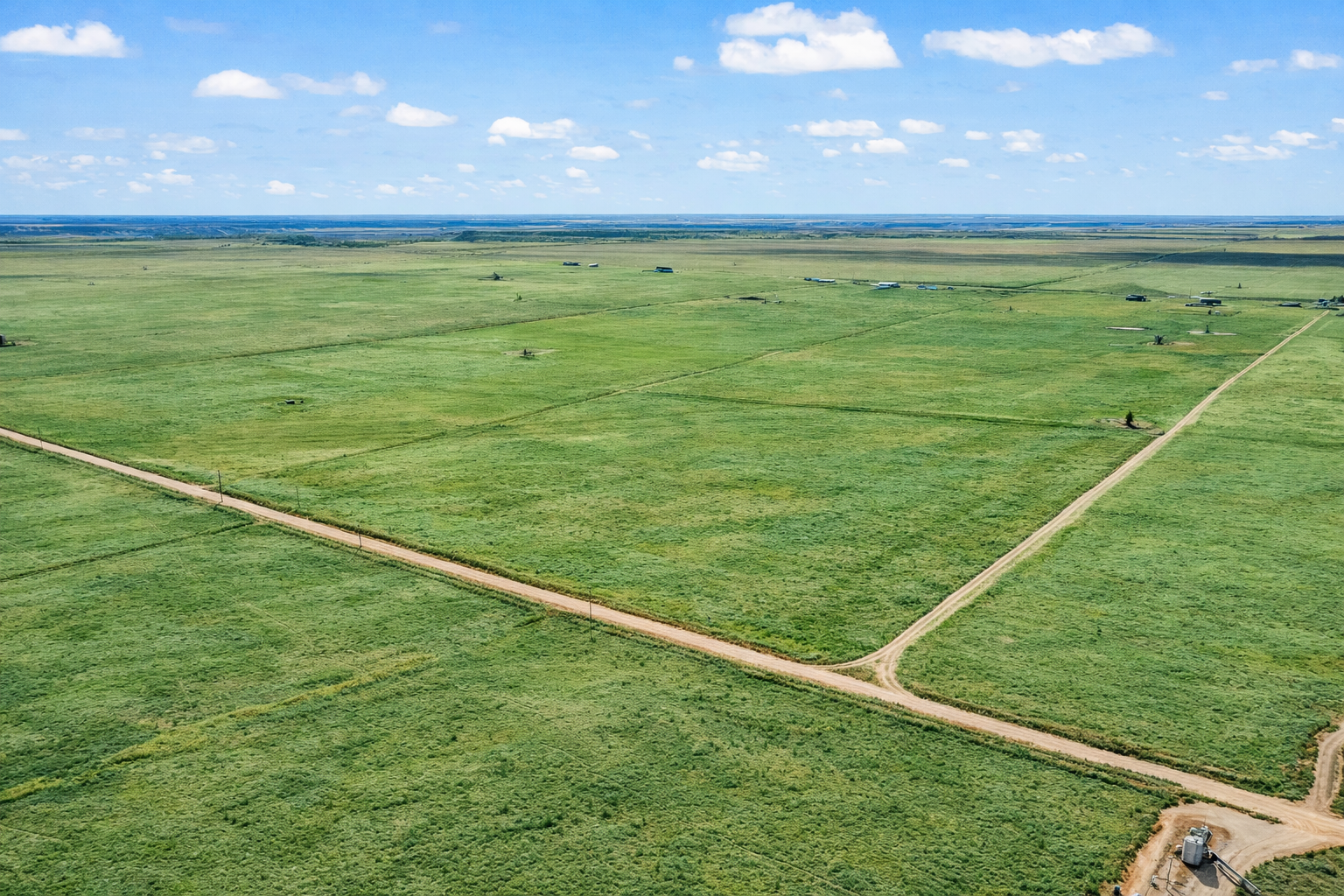
What "raw land" means and what "power at the road" gets you
Raw land is undeveloped acreage with no water, sewer or buildings. Utilities may run along the road, or they may be miles away. When you look at any rural listing, check three things: water, power and wastewater.
Why power at the road matters so much
Power is the utility that makes the other two possible. A submersible well pump needs electricity. Aerobic septic systems use an aerator and often spray heads or pumps, so they need power too. When the electric line already runs along your road, getting service is usually a matter of applying with the electric provider and paying for the drop to your build site. When the nearest line is far away, extending it can become one of the biggest costs of building in the country. That's why we make sure power is at the road on our tracts. Each tract page lists the power situation, and many name the electric provider so you can call them directly about a new service.
How to add a septic system (OSSF) in Texas, step by step
Texas calls a septic system an on-site sewage facility, or OSSF. The rules are in Texas Administrative Code Title 30, Chapter 285, and the Texas Commission on Environmental Quality (TCEQ) runs the statewide program. According to TCEQ's OSSF permit page, a permit is required to construct, install, alter, extend or repair a septic system, with a few limited exceptions. The usual steps are:
- Site evaluation. A TCEQ-licensed site evaluator or a professional engineer looks at the soil, slope and layout of your build site.
- Design. A licensed installer or an engineer designs the system to fit your soil and the size of the home.
- Permit. The plans go to the local permitting authority for approval before any digging starts.
- Installation. A licensed installer puts in the tank and drain field or aerobic system.
- Inspection and approval. The permitting authority inspects the system before it's covered and approves it for use.
Who issues the permit
In many counties, the county or a local health district is the TCEQ "authorized agent" that issues septic permits. Where there's no local program, the TCEQ regional office handles it. Local programs can be stricter than the state minimums. Before you plan anything, call the county where your tract sits and ask who permits septic systems there. TCEQ keeps a list of authorized agents on its OSSF pages.
Site evaluation and soil: conventional vs aerobic
Soil decides what kind of system you can use. A conventional system, which is a tank plus a drain field, needs soil that absorbs water well. Heavy clay, shallow rock or a high water table often call for an aerobic system, which treats wastewater more fully before it's sprayed or dispersed. Aerobic systems cost more to install and need ongoing maintenance. Texas rules require a maintenance contract for the first two years, and after that the owner picks the maintenance provider. Your site evaluator will tell you what your soil supports.
The 10-acre exception
Many of our tracts are about 10 acres, so this one matters. Under 30 TAC 285.3(f)(2), a septic system for a single-family home on a tract of 10 acres or more may not need planning materials, a permit or inspections, but only if all of these are true:
- The system still meets the state's planning, construction and installation standards.
- It isn't causing a nuisance or polluting groundwater.
- Every part of the system is at least 100 feet from the property line.
- The wastewater is disposed of on the property.
- The single-family home is the only dwelling on the tract.
TCEQ's permit page also says the property should get a site evaluation from a licensed site evaluator or engineer. And TCEQ is clear that the exception doesn't excuse a system from the design standards. Some local programs require a permit anyway, so check with your county before you count on it.
Before you build: a quick checklist
- Read the tract page for water, power and septic notes.
- Call the county to find out who permits septic systems there.
- Look up the groundwater conservation district for the county.
- Pull nearby well reports to see typical well depths.
- Get 2 to 3 local quotes for the well and septic system.
How to add a water well, step by step
A private water well is the most common water source on rural Texas land. The basic path looks like this:
- Find your groundwater conservation district. Most of Texas is covered by a local groundwater conservation district (GCD). Some districts require you to register a household well or get a permit before drilling, and they may have spacing rules. The Texas Water Development Board's GCD page shows which district covers each county.
- Research nearby wells. The TWDB keeps well reports that drillers file with the state, so you can see how deep neighboring wells go and what they found. Ask your driller too, since local drillers know the area best.
- Hire a licensed driller. Texas water well drillers and pump installers are licensed by the Texas Department of Licensing and Regulation. You can check a license on the TDLR water well program site.
- Drill, case and install the pump. The driller drills and cases the well, then the pump, pressure tank and electrical hookup go in.
- Test the water. Test a new well before drinking from it. Testing usually covers bacteria, nitrates and other common contaminants.
West Texas: Lubbock and Amarillo areas
Around Lubbock, the High Plains Underground Water Conservation District covers much of the area. Near Amarillo and in other Panhandle counties, check the TWDB map for your district. Some of our tract pages share what local wells look like. The Titan Farms page east of Lubbock says local wells produce around 15 gallons per minute at about 200 feet deep. The Abernathy page cites local reports of 250 to 300 feet with 10 to 15 gallons per minute. Treat those as a starting point and confirm with a driller for your exact spot.
Coastal Bend and Rio Grande Valley notes
Near Corpus Christi, the Freedom Shores page near Aransas Pass says local reports show wells at 250 to 350 feet with 10 to 15 gallons per minute and notes that a reverse osmosis system may be needed to filter the water. The Victory Estates page cites local depths of 200 to 300 feet. In the Rio Grande Valley, two of our properties have water lines today: Rancho La Vista along FM 2556 and Junior Oaks at the road near Rio Grande City. Where there's a water line, ask the water supplier what it takes to set a meter before you plan a well.
What it costs: planning ranges
Well and septic prices depend on soil, depth, distance and the contractor. The figures below are third-party planning ranges from published 2026 Texas cost guides. They aren't Victory prices or quotes, so get 2 to 3 local bids before you budget.
| Item | Typical Texas range | Source |
|---|---|---|
| Conventional septic system | $6,300–$10,000 | Texas Septic Guide |
| Aerobic septic system | $10,000–$20,000 | Texas Septic Guide |
| Site evaluation, permits and engineering | Add $1,500–$5,000 | Texas Septic Guide |
| Well drilling only | $25–$58 per foot | WellDrillingCosts.com |
| Complete well system, 200 ft | $10,600–$17,200 | WellDrillingCosts.com |
| Complete well system, 300 ft | $13,900–$23,800 | WellDrillingCosts.com |
| Water quality testing | $100–$500 | WellDrillingCosts.com |
A "complete" well system usually includes drilling, casing, the pump, a pressure tank and the electrical hookup. Groundwater district permit costs vary by district, and some areas have none. Septic permit costs vary by county, so ask your local permitting authority for its current schedule.
Order of operations on raw land
Doing things in the right order saves money and headaches. A common sequence looks like this:
- Pick your build site. Think about where the house, driveway, well and septic will go. Septic parts have setback rules from wells and property lines, so plan them together.
- Get the power drop. Apply with the electric provider for service to your site. You'll need power to run the well pump.
- Drill the well. Wells must be kept a set distance from septic components, so locking in the well spot early makes septic design easier.
- Design and permit the septic system. Your site evaluator and installer design around the house and well locations.
- Build the pad and home. With water, power and wastewater handled, you're ready to build or set your home.
If you're thinking about a manufactured home, ask the county about its rules too, and read the deed restrictions on the tract page. Restrictions vary by property.

Find tracts by area
Every tract page lists water, power and septic details, prices and the deed county. Start with the area you like best:
- Land for sale in the Lubbock area, including Yolanda Farms and Titan Farms
- Land for sale in the Amarillo area, including Canyon Vista Estates and Amelia Vista Estates
- Land for sale near Corpus Christi, including Nueces Ranch and Freedom Shores
- Land for sale in the Rio Grande Valley, including Rancho La Vista and Junior Oaks
Thinking about how to pay for your land? Read how owner financing works on land in Texas. Planning to run animals or bees? See our guide to the ag exemption on 10 acres in Texas. And our owner financing process page explains our simple approval: we check credit and verify income, but there's no minimum credit score.
See Available Land
Tracts with power at the road, including some with water at or near the property.


Frequently asked questions
Does owner-financed land in Texas come with a well and septic?
Usually not. Most owner-financed rural land in Texas, including most Victory Land Sales tracts, is raw land with no well or septic system. Power is guaranteed at the road on our tracts, and the buyer adds the well and septic. A few tract pages list exceptions, like two Yolanda Farms tracts that have a well.
Do I need a permit to put in a septic system in Texas?
In most cases, yes. TCEQ requires a permit to construct, install, alter, extend or repair a septic system. A single-family home on 10 acres or more may be excepted if the system meets state standards, sits at least 100 feet from property lines and is the only dwelling on the tract, but local programs can still require a permit, so check with your county.
How much does a well and septic system cost in Texas?
Published 2026 Texas cost guides put a conventional septic system around $6,300 to $10,000 and an aerobic system around $10,000 to $20,000, plus site evaluation and permits. A complete 200-foot well system runs roughly $10,600 to $17,200. These are planning ranges only, so get local quotes.
Who do I hire to drill a water well in Texas?
Hire a water well driller licensed by the Texas Department of Licensing and Regulation (TDLR). You can look up a license on the TDLR website. Also check with your groundwater conservation district, since some districts require you to register a household well or get a permit before drilling.
Do Victory Land Sales tracts have power?
Yes. Power is guaranteed at the road on our tracts, and each tract page lists the power details. You apply with the electric provider for service to your build site when you are ready.
Ready to find land you can build on? See all available land or call or text 806-606-0824 and ask which tracts have water or a well nearby. We'll help you find a tract that fits your plans.
Follow Victory Land Sales


New land, buyer tips and stories from the field.
About the author
Bo “Knows Dirt” Birkeland, VP of Victory Land Sales
Bo Birkeland is all about land (it's in his name!), real estate, and helping people find their perfect spot to call their own. As the sales leader of Victory Land Sales, he connects buyers with great properties, whether for building, investing, or just having a place to escape. He knows firsthand the freedom that comes with owning land and loves helping others find their own slice of it.