Short answer: Animals are allowed on every Victory subdivision, and the animals are the easy part. On raw Texas land the first year is about water, fencing and shelter, in that order. A well is required on our tracts, so water comes first. Once water, fence and a simple shelter are in, you can bring the first animals home. Start with a few and grow.
If you keep a horse in a boarding stable or a few goats on a city lot, you know the limits: boarding bills, neighbors, local rules. Moving to open land solves the space problem and creates a new one. Raw land has no water tank, no fence and no shelter. Animals cannot wait for you to figure it out, and a rough first month with new animals on bare ground is the number one reason first-timers get discouraged.
This guide is the first-year setup plan only: water, fence, shelter, access, feed storage, bringing animals in stages, and the tax side. For livestock-friendly tracts across Texas, browse our available land or ask the team which markets fit a small herd. Every Victory buyer walks the land in person before buying, so use this plan to get ready for a tour.
See livestock-friendly land in person
Every Victory buyer tours the land before buying. Tell us which market you want and we will set up a walk.
Book a land tour Call or text 806-606-0824What you want: your animals out the back door
You want to walk out in the morning and feed your own animals on your own ground. No hauling to a boarding barn, no landlord's rules, and room to add more as you learn. Ten acres is not a large ranch, but it is enough to start a small herd, a few horses, a flock, or a hobby operation, and to grow it. That is why so many buyers look for small ranches for sale in Texas that already allow livestock and leave the setup order to them.
Victory Land Sales is veteran-owned. Animals are allowed on every Victory subdivision, and the tract pages list livestock among the intended uses. County rules still apply, and we will send the written deed restrictions for the tract you want before you commit.
The first-year setup order
Raw land rewards a clear sequence. Skip a step and you end up hauling water in July or chasing animals that found a gap in a temporary fence. Use this order for your first twelve months.
1. Water first
Livestock drink a lot, and the amount goes up fast in a Texas summer. Extension publications such as Texas A&M AgriLife's give ranges per animal; a horse or cow commonly needs well over ten gallons a day in the heat, while goats and sheep need much less. Plan for more in July than in January.
Our active tracts are raw land with wells required, so budget for a well or plan a hauling system for the first months. Power is available at the road on every active tract page (with the co-op named on most), which matters when you size a well pump. Yolanda Farms lists tracts #5 and #8 as already having a well; confirm availability on the tract page before you plan around one. For depths, permits and how to read nearby well reports, read our West Texas wells guide. The bigger raw-land picture, including septic, is in our post on owner-financed land with a well and septic.
2. Fence the perimeter, then cross-fence
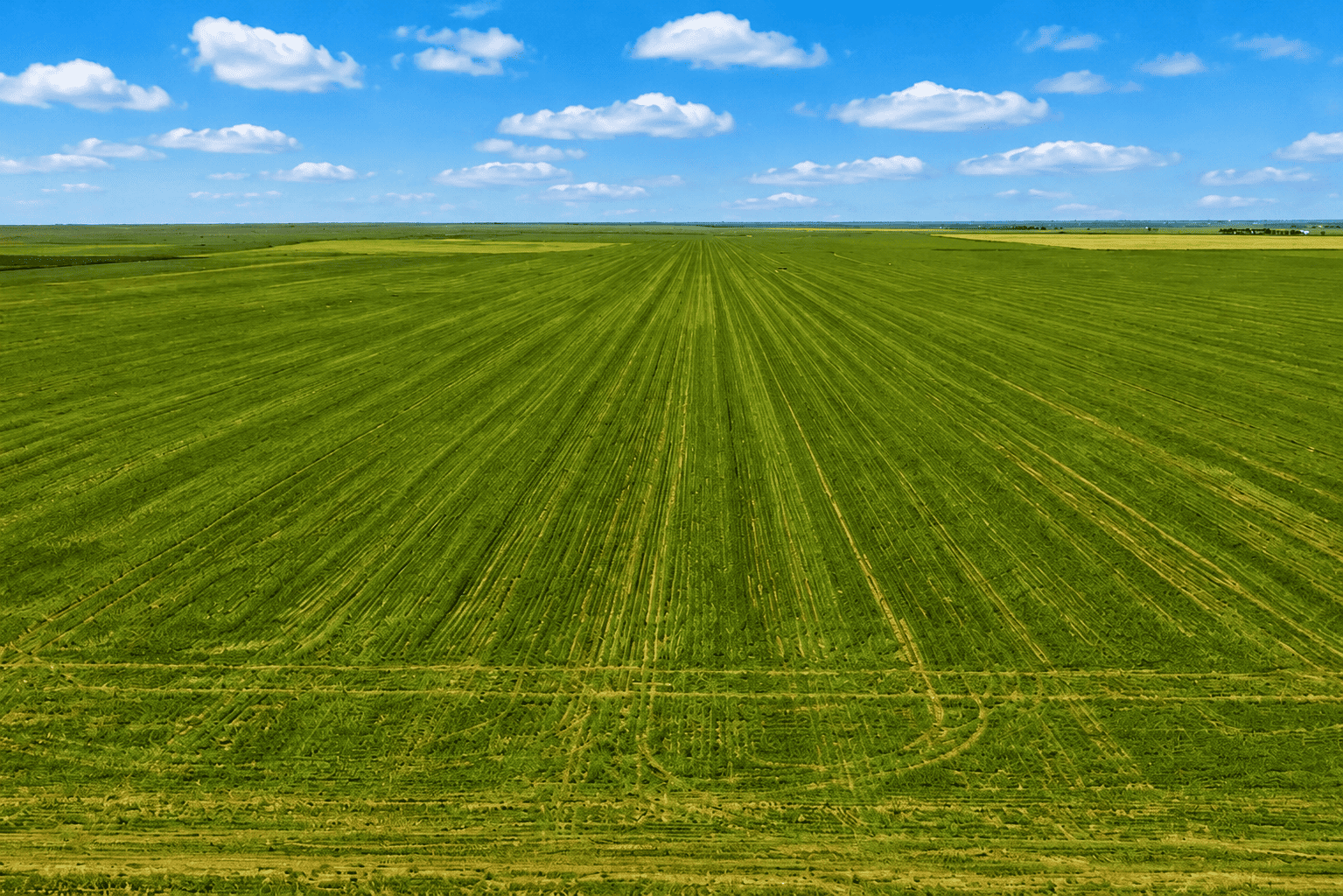
Fencing is where a large share of the first-year budget goes. Many owners fence the perimeter first so animals are contained and neighbors' animals stay out, then add cross-fencing to rotate pasture. Walk the boundary with the survey in hand. Tract pages state that Victory provides a survey; ask for a copy so you can plan fence lines before you buy a single post.
Whether you must fence others out depends on county stock laws. Ask the county and read the written restrictions for your tract. If you are comparing open land to restricted subdivisions, our post on open land vs deed-restricted land in Texas explains what deed restrictions usually cover.
3. Shelter
Horses and goats need shade and a windbreak; cattle need less. A simple three-sided shelter can do for the first year. Keep it out of low spots. Check the tract's deed restrictions before building anything large; our active pages list limits such as no commercial shooting ranges and no junk or dump yards, and some list more, so ask for the written restrictions.
If you plan to live on the land while you build out livestock pens, our guide to a mobile home on raw Texas land covers the setup order for living quarters alongside utilities.
4. Access and feed storage
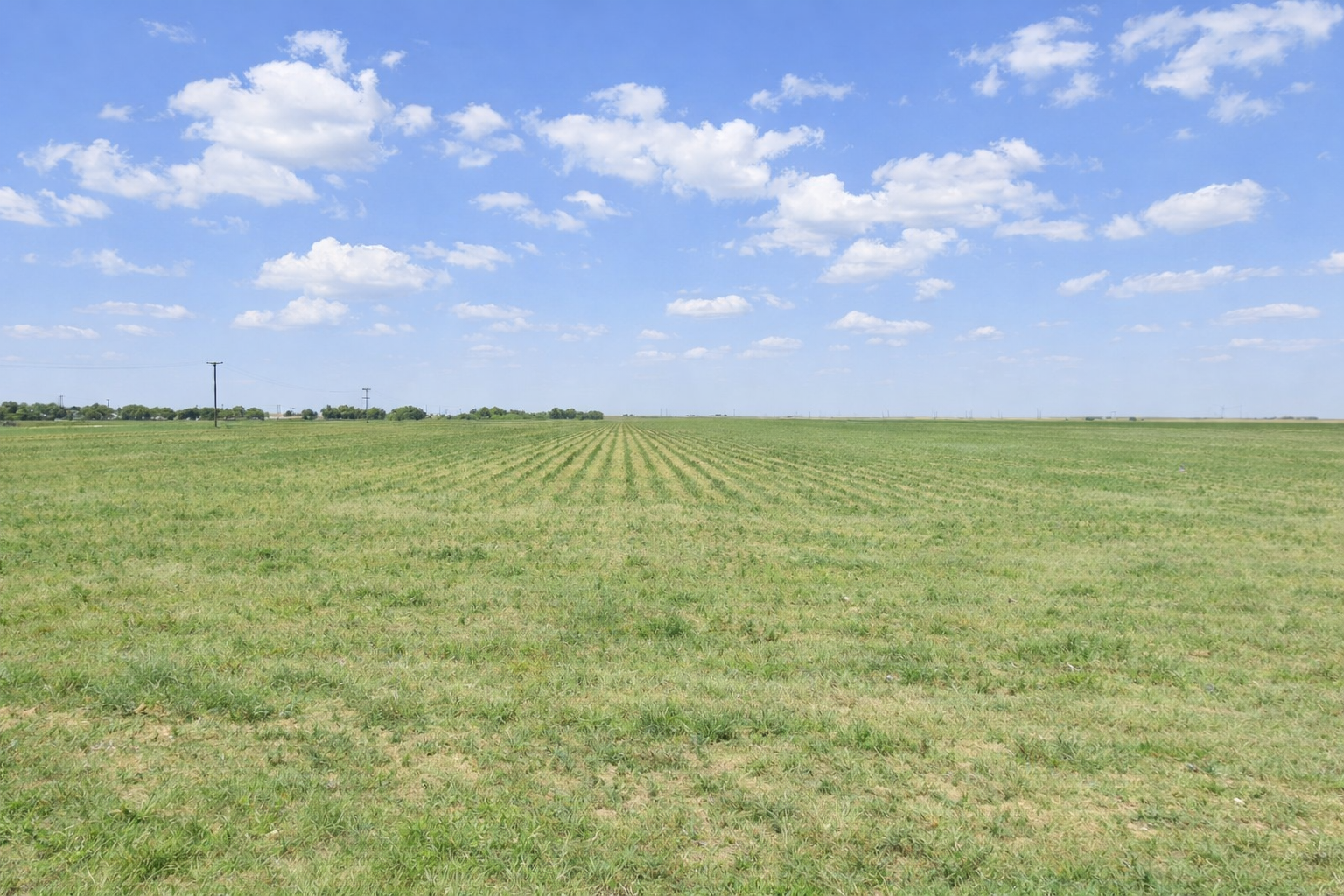
You need a gate wide enough for a trailer and a dry place for hay. Your tract's road access is on its page (paved county or farm-to-market road on most). Plan feed storage before the first load of hay arrives; wet hay and open bags waste money and invite pests.
5. Bring the animals in stages
Start with one or two animals, not ten. You learn what the land does in your first summer and winter before you commit. Watch how the wind hits your shelter, how fast a water tank empties in August, and where mud collects after a storm. Then grow the herd.
6. Plan the tax side
Livestock use can qualify land for the state's agricultural valuation in some cases, but county rules and history matter. Read our ag valuation guide for 10 acres in Texas and ask your county appraisal district before you count on it. Do not buy land solely for a tax outcome; buy it for the use you want, then handle the paperwork with the county.
First-year livestock checklist
- Water first: wells are required on Victory tracts; Yolanda Farms lists #5 and #8 with a well.
- Fence the perimeter with the survey in hand, then add cross-fencing as you grow.
- Build simple shelter and windbreaks before summer heat or Panhandle wind hits.
- Bring animals in stages after access, feed storage and a reliable water plan are ready.
What it looks like by market
Victory has livestock-friendly tracts in several Texas markets. Prices and sizes below come from the live tract pages (updated November 2, 2026). Ask us which lots are still available before you plan around one.
Amarillo and Randall County
Amelia Vista Estates and Amarillo East are 10-acre tracts about 15 minutes southeast of Amarillo. The pages list livestock among the intended uses and state the zoning as Agriculture. Open Panhandle ground means wind and little natural shade, so plan shelter and windbreaks early. Browse the Amarillo area hub for the full map of options.
Lubbock area
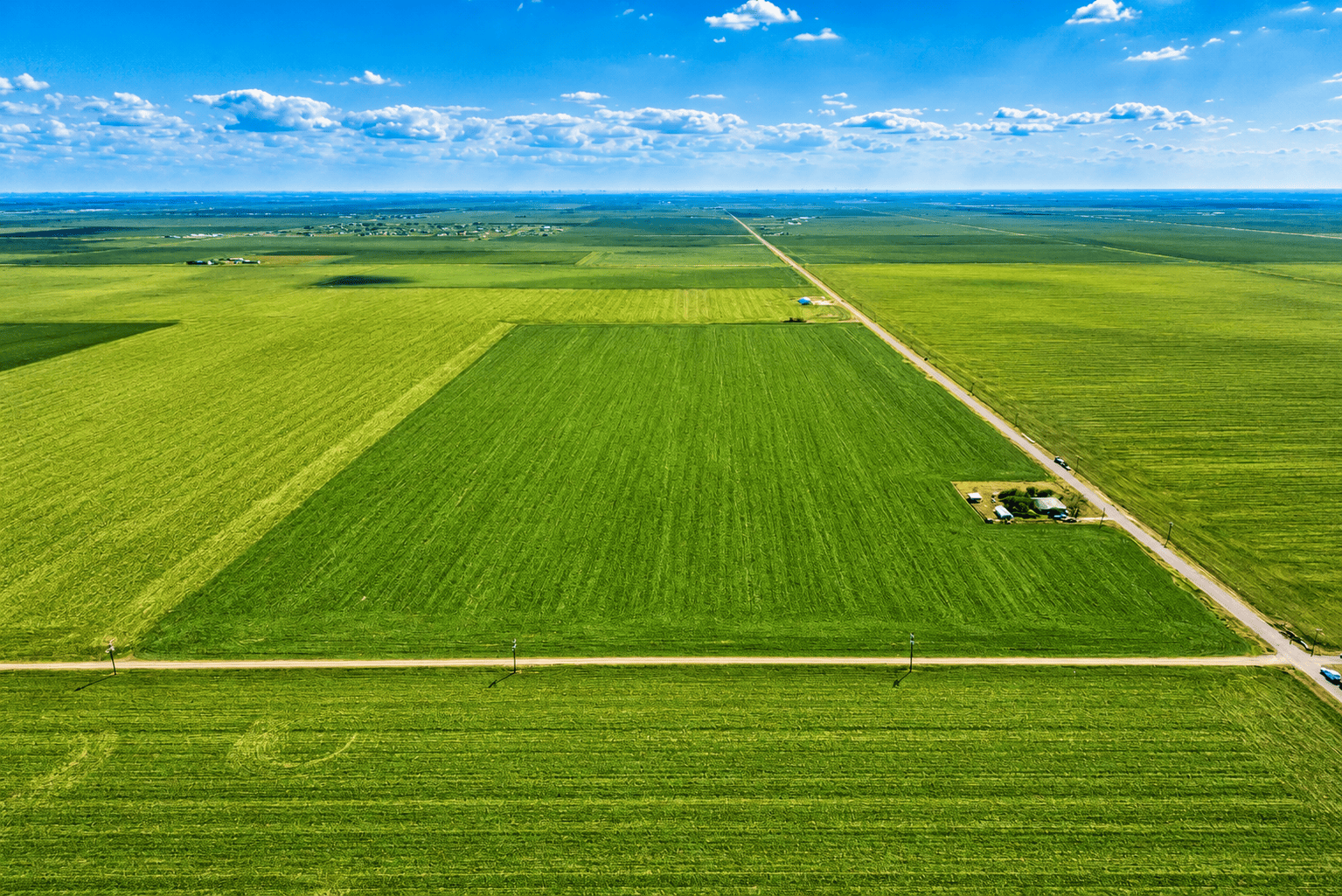
Hockley Farms (2.5-acre and 10-acre tracts), Yolanda Farms, Abernathy and Reid Farms list livestock among the intended uses. Reid Farms also has 14-acre tracts. The South Plains is flat and open, so fencing runs are straightforward. Start at the Lubbock hub if you want to compare those markets side by side.
Corpus Christi and the Coastal Bend
Nueces Ranch (10, 17 and 40 acres) and Victory Ranch (10 and 11.8 acres) list livestock among the intended uses. Coastal heat and humidity mean shade and water matter even more than they do on the High Plains. Confirm the current From price and available sizes on each page before you tour.
Rio Grande Valley
Rancho La Victoria near Santa Rosa lists livestock among the intended uses. Heat is the planning factor: shade and water come first, then fence, then animals in stages.
Buying the land that fits a small herd
Owning your own land is easier than you think. You can buy with cash, with a loan from your own lender, or with owner financing from Victory Land Sales. Owner financing comes with simple approval and no minimum credit score. Your deed is recorded in your name at closing, and Victory holds the lien until the land is paid off. For the step-by-step process, see our owner financing process page or the FAQs.
A survey is included so you can plan fence lines and setbacks with confidence. Power at the road is listed on every active tract page. Standing on the ground still beats any photo, which is why every buyer tours the land before closing.
Ready to walk a tract that fits a small herd?
Standing on the ground tells you more than a photo can. Book a land tour near Amarillo, Lubbock or Corpus Christi.
Book a land tour Call or text 806-606-0824See Available Land
Owner-financed tracts that list livestock among the intended uses, across Texas.
Frequently asked questions
What do I need to do first to keep livestock on raw land?
Water. Then fencing, then shelter. Most of our tracts have no well yet, so plan water before animals. Yolanda Farms lists tracts #5 and #8 as having a well; confirm availability on the tract page.
Can I keep horses, goats or cattle on your tracts?
Yes. Animals are allowed on every Victory subdivision, and the tract pages list livestock among the intended uses. County rules still apply, and we will send the written deed restrictions for the tract you want.
How much water does livestock need?
It varies by animal and season. Extension publications such as Texas A&M AgriLife's give ranges; a horse or cow commonly needs well over ten gallons a day in the heat, while goats and sheep need much less. Plan for more in July than in January.
Do I need to fence?
Fencing keeps your animals in and others out. Whether you must fence others out depends on county stock laws. Walk the boundary with the survey Victory provides, then ask the county and read the written restrictions for your tract.
Can I get an ag valuation with livestock?
Sometimes, but there are county standards and history requirements. See our ag valuation guide and ask your county appraisal district before you count on it.
Can I start with just a few animals?
Yes, and it is the best way to learn your land. Start with one or two animals after water, fence and shelter are ready, then grow through the first summer and winter.
Want help picking a first-year setup tract?
Our local team will show you around and answer questions about water, fence lines and intended uses.
Book a land tour Call or text 806-606-0824Follow Victory Land Sales


New land, buyer tips and stories from the field.
About the author
Bo “Knows Dirt” Birkeland, VP of Victory Land Sales
Bo Birkeland is all about land (it's in his name!), real estate, and helping people find their perfect spot to call their own. As the sales leader of Victory Land Sales, he connects buyers with great properties, whether for building, investing, or just having a place to escape. He knows firsthand the freedom that comes with owning land and loves helping others find their own slice of it.