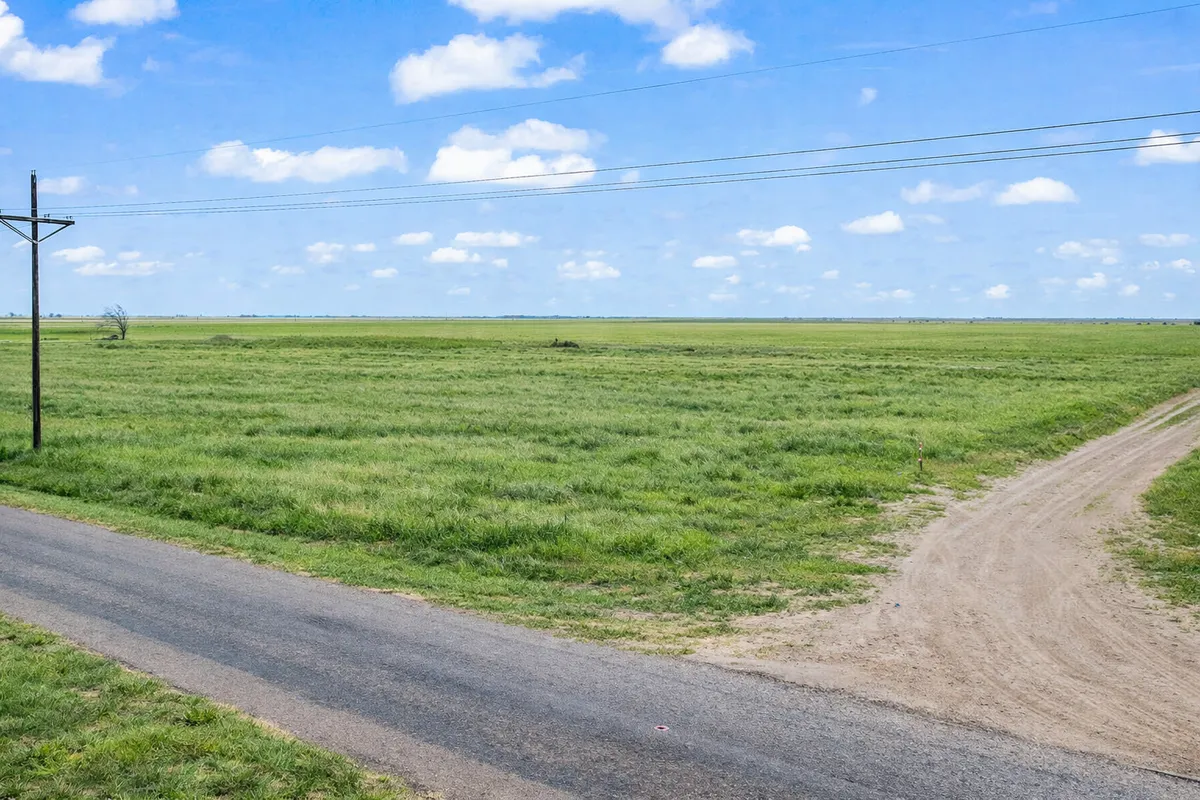

Short answer: Yes, many buyers put the land in their own name first and bring the home later. On raw land the usual order is: read the tract's deed restrictions, get a septic permit, plan the well and the power drop, build a level pad and driveway, then schedule delivery and a licensed setup crew. Skip a step or do them out of order, and it can cost you time.
This post covers the sequence. For the rules, permits and the difference between mobile and manufactured homes, read our companion guide: Can You Put a Mobile Home on Land in Texas?
The problem: lot rent that never ends, and land that isn't ready on day one
Lot rent in a mobile home park is money you never get back. Every check goes to someone else's property, and the park sets the rules on what you can park, build or keep in the yard. Buying land of your own fixes that, but raw land is not a lot with hookups waiting for you.
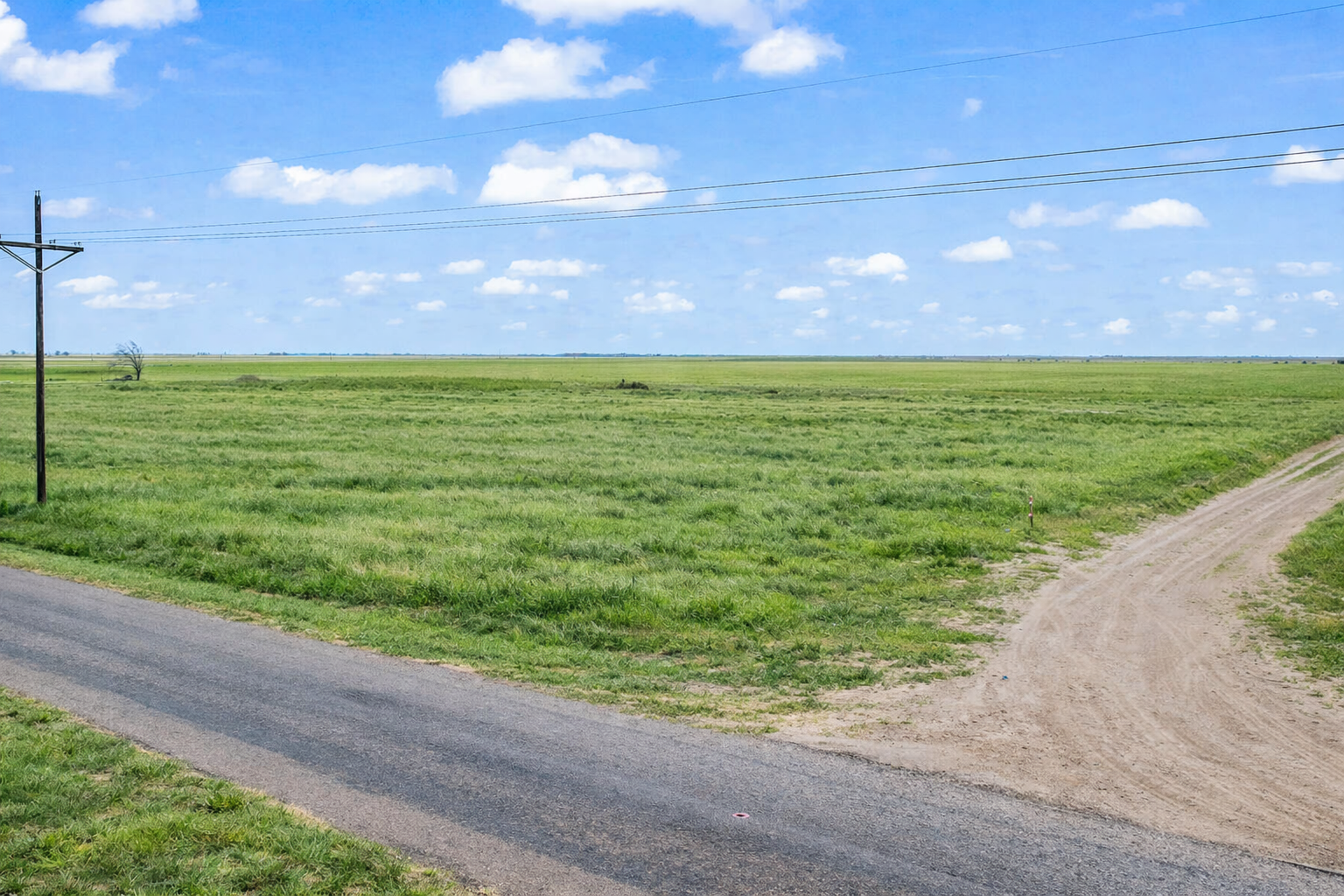
Nothing on a raw tract is set up for a home yet. There's no septic tank, no well, no pad, and often no driveway. First-time buyers tend to find that out after they've already picked a home and booked a delivery date. Then the home shows up, the septic permit isn't approved, and a brand-new house sits in the yard while the clock runs.
Buyers ask us the same things first. Is there power? How's the water, and how deep is it? What do the rules say about my kind of home? Those are the right questions. The order below answers them one at a time.
The other trap is the order of operations. Each step depends on the one before it. The septic design depends on where the home sits. The power drop depends on where the pad goes. The delivery truck needs a path to the pad. Get the order right and the setup goes smoothly. Get it wrong and you pay for it in time and stress.
The desire: your own land, your own home, your own timeline
Picture the other version. The land is yours, and after closing the deed is recorded with the county. You pick the spot for the home, the barn and the garden. You aren't asking a park manager about a carport. Just check the tract's deed restrictions for what you have in mind. You can start with the home and add the rest as time and budget allow, whether that's a shop, a fence for animals or a second structure down the road.
That's land first, home second. You pick the ground you want, then build on your own schedule. If you're still looking for the right tract, browse all available land and come back to this checklist.

The solution: a seven-step setup order for raw land
Here's the order that works on raw Texas land. Print it, share it with your dealer, and check each step off before you move to the next.
The land-first setup order at a glance
- Read the tract's written deed restrictions.
- Check the home's build date and HUD label.
- Start the septic (OSSF) permit.
- Plan the well with a licensed driller.
- Call the electric co-op about the power drop.
- Build a level pad and a driveway a truck can use.
- Schedule delivery and a licensed installer.
Browse land for sale → Call or text 806-606-0824 to set up a tour
1. Read the tract's restrictions first
Before you shop for a home, know what the tract allows. Our tract pages list the deed restrictions. Canyon states no mobile homes, with manufactured and modular homes allowed. Reid Farms states no mobile homes on Tracts #1 to #8, with manufactured homes allowed. Manufactured homes are allowed on every Victory subdivision. Every property has its own deed restrictions, so ask about the exact tract before you pick your lot. Our guide to unrestricted vs restricted land in Texas explains what to look for.
2. Ask the age question
Homes built before the federal HUD code took effect on June 15, 1976 are usually called mobile homes. Homes built to the HUD code after that date are called manufactured homes. Lenders, county offices and some deed restrictions treat the two differently, which is why a few of our tracts allow one and not the other. Ask for the home's build date and look for its HUD label before you sign anything on the home.
3. Start the septic permit
A home people live in needs a permitted on-site sewage facility (OSSF), which most people just call a septic system, unless sewer service is available. Your county or its authorized agent issues the permit after a site evaluation, and the system's design depends on your soil and where the home will sit. Start this before you order the home, because it can hold up move-in day. Timing and rules vary by county. Our raw land well and septic guide walks through what to expect.
4. Plan the well
Water is one of the first things buyers ask about. Our active tracts are raw land, and most need a well, so plan for it from day one. Depth and cost vary by tract. Local depth notes on some tract pages, such as Abernathy, give you an idea of what's typical, and a licensed water well driller can tell you what to expect on the tract you choose before you set a budget. Keep the well a safe distance from the septic field, which is another reason to plan both together.
5. Confirm power at the road, then plan the drop
Every active tract page lists power as available on all lots. Getting it from the road to your pad is a separate step with your electric co-op. Cost and timing vary, so call early. Some tract pages name the co-op. For the others, your county or the local electric provider can tell you who serves the road. Have your pad location picked before you call, since the length of the run affects the job.
6. Build the pad and the driveway
Most setups need a level, compacted pad and a way for a delivery truck to reach it. Walk the tract first with the survey in hand so the home sits where you want it, with room for the septic field and the well. Think about where the truck will turn, where water drains after a hard rain, and where you'll want a shop or barn later.

7. Schedule delivery and a licensed setup crew
Texas requires manufactured homes to be installed by a licensed installer under state standards, and the state keeps a record of each home's ownership and location. Check the current requirements with the Texas Department of Housing and Community Affairs, Manufactured Housing Division, at tdhca.texas.gov. Once the septic is approved, the pad is ready and power is on the way, you can book delivery.
How it plays out in each market
The steps are the same everywhere, but each area has its own details worth knowing.
- Amarillo and Randall County. Amarillo East sits about 15 minutes southeast of Amarillo, and both it and Amelia Vista Estates list the Canyon ISD. The pages list power on all lots and note that wells are required. The Canyon tract allows manufactured and modular homes but not mobile homes. Panhandle wind is real, so ask your installer about anchoring. See all land in the Amarillo area.
- Lubbock area. The Reid Farms, Abernathy and Theresa Farms pages name a mobile home among the intended uses (Reid Farms has the Tracts #1 to #8 restriction noted above). Manufactured homes are allowed at every Lubbock-area subdivision. Pad prep depends on the tract, so walk it before you pick the spot. Ask your driller about local well depths. See all land near Lubbock.
- Corpus Christi and the Coastal Bend. Nueces Ranch and the other Corpus-area tract pages list mobile homes among the intended uses. Floodplain rules matter near the coast, so check the county's flood maps before you pick a pad spot. See all land near Corpus Christi.
- Rio Grande Valley. Rancho La Vista has a waterline along FM 2556, with wells required on the back lots, and Rio Grande City lists a water line and power at the road. In Cameron, Hidalgo and Starr counties, check floodplain maps before you pick the pad. See all land in the Rio Grande Valley.
Owning your own land is easier than you think. You can buy with owner financing, cash or your own loan. Every buyer sees the property in person first, so you can stand on the spot where your home will sit. Want pricing, payment details, or to set up a tour? Read how it works in our owner financing process, or call or text 806-606-0824.
See Available Land
Owner-financed land where manufactured homes are allowed.
The proof: what you can check yourself
- Power at the road. Every active tract page states power is available on all lots, and some name the co-op.
- A recorded deed. Our tract pages state the deed is recorded with the county clerk after closing, so the land is in your name.
- A survey from us. The tract pages state the survey is provided by us free of charge. Ask for a copy.
- Veteran owned and operated. Learn more on our About page.
- Reviews from real buyers. From our Reviews page:
"They were very helpful and straightforward to work with. I encountered no issues in buying land from them. We look forward to building our home on our new land!" — Gary M
"Logan and his team made our land buying process seamless!! We are building our dream home on our dream property!! Thanks for everything!" — Carleigh B
Frequently asked questions
Can I put a mobile home on raw land in Texas?
On Victory Land Sales tracts, manufactured homes are allowed in every subdivision. A few tract pages also rule out older mobile homes, so check the tract page and ask us for the written restrictions. County rules still apply.
What do I need before the home is delivered?
Most setups need an approved septic permit, a plan for water and power, and a level pad with truck access. Requirements vary by county, so check yours. A home delivered before the septic permit is approved can sit unused.
Do I need septic for a mobile home?
If people live in it, yes. A permitted on-site sewage facility (OSSF) is required in rural Texas unless sewer service is available.
Can I buy the land first and the home later?
Yes. Owning the land first lets you plan the setup in the right order without the pressure of a delivery date.
What is the difference between a mobile home and a manufactured home?
A mobile home usually means one built before June 15, 1976. A manufactured home is built to the federal HUD code after that date. Some deed restrictions treat them differently.
Do Victory Land Sales tracts allow manufactured homes?
Yes, every Victory subdivision allows manufactured homes. Canyon and Reid Farms (Tracts #1 to #8) also state no mobile homes, so check the tract page for the kind of home you have in mind.
Ready to find land for your home?
Pick a tract for your home in Amarillo, Lubbock, Corpus Christi or the Valley, or see all available land. Call or text Victory Land Sales at 806-606-0824. We'll answer your setup questions, go over the deed restrictions for the tract you like and set up a tour. Bring your spouse or family and walk the spot where the home will sit.
General information only. Permit, installation and septic rules can change and vary by county, so confirm current requirements with your county and the TDHCA before you buy or install a home.
Follow Victory Land Sales


New land, buyer tips and stories from the field.
About the author
Bo “Knows Dirt” Birkeland, VP of Victory Land Sales
Bo Birkeland is all about land (it's in his name!), real estate, and helping people find their perfect spot to call their own. As the sales leader of Victory Land Sales, he connects buyers with great properties, whether for building, investing, or just having a place to escape. He knows firsthand the freedom that comes with owning land and loves helping others find their own slice of it.