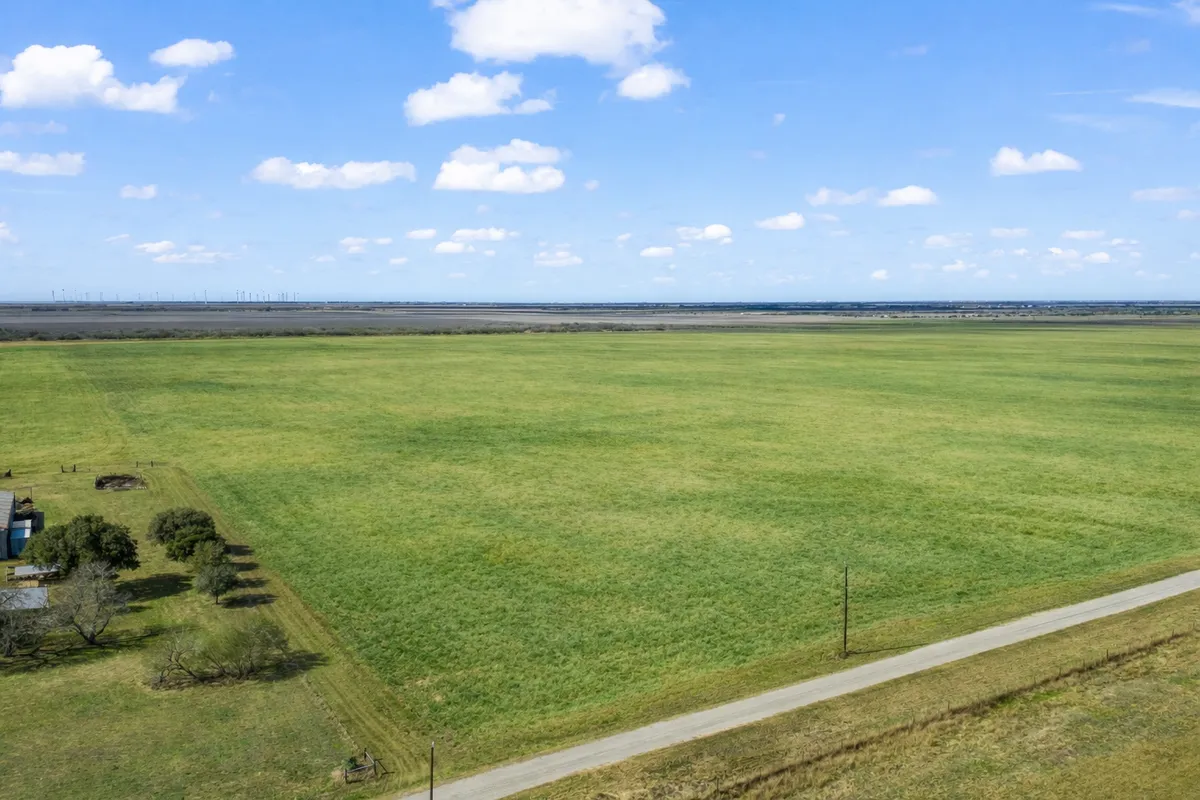

Short answer: To buy land in Texas, decide what the land is for, pick a region, read the deed restrictions, check road access, water, power and the flood zone, then choose whether to pay cash or use owner financing. At closing, the deed is signed and recorded with the county, and the land is yours.
Buying land for the first time feels bigger than buying a house, mostly because there's no house to look at. You're buying the ground, the road in front of it, the water under it and the rules written on the deed. The good news is that the process in Texas is simpler than most people expect, especially in rural counties outside city limits. This guide walks through each step in plain language, with links to our deeper guides on the topics that trip people up the most.
Already know what you want? See available tracts, or call or text 806-606-0824 and tell us what you're planning.
The steps at a glance
- Decide what the land is for: a home, animals, a shop, an investment or a weekend getaway.
- Pick a region that fits your job, family, budget and weather.
- Check restrictions and zoning, starting with the deed restrictions.
- Check access, water, power and the flood zone for the exact tract.
- Choose how to pay: cash or owner financing.
- Close and record the deed with the county.
- Take care of the after-purchase items: tax exemptions, surveys and improvements.
Step 1: Decide what the land is for
Everything else flows from this answer. The right tract for a family home is different from the right tract for a hunting camp or a future investment, so write down your plan before you start shopping.
- A homestead or full-time home. You'll care most about the school district, commute time, power on the lot and how you'll get water and septic.
- A manufactured home or barndominium. The deed restrictions decide what kind of home is allowed, so read them closely. Our guide to putting a mobile home on land in Texas explains the difference between mobile, manufactured and modular homes.
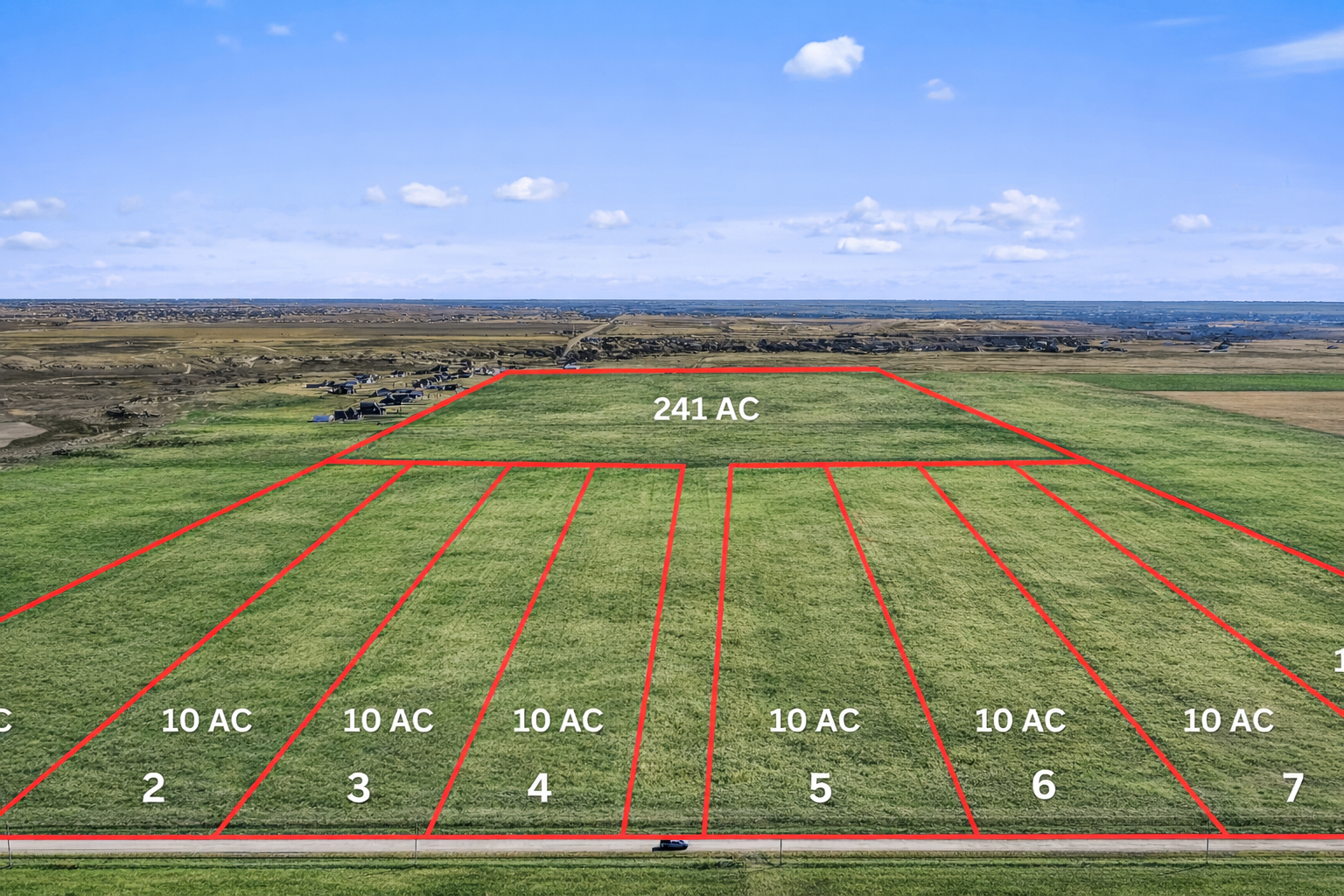
- Animals, gardens or a hobby farm. Look at acreage, fencing, soil and water. Ten acres gives you room to spread out while still being easy to manage.
- A shop, storage or small business. Check for restrictions on commercial use and make sure the road can handle trucks.
- An investment or future build. Location and growth around nearby towns matter more than features you'll add later.
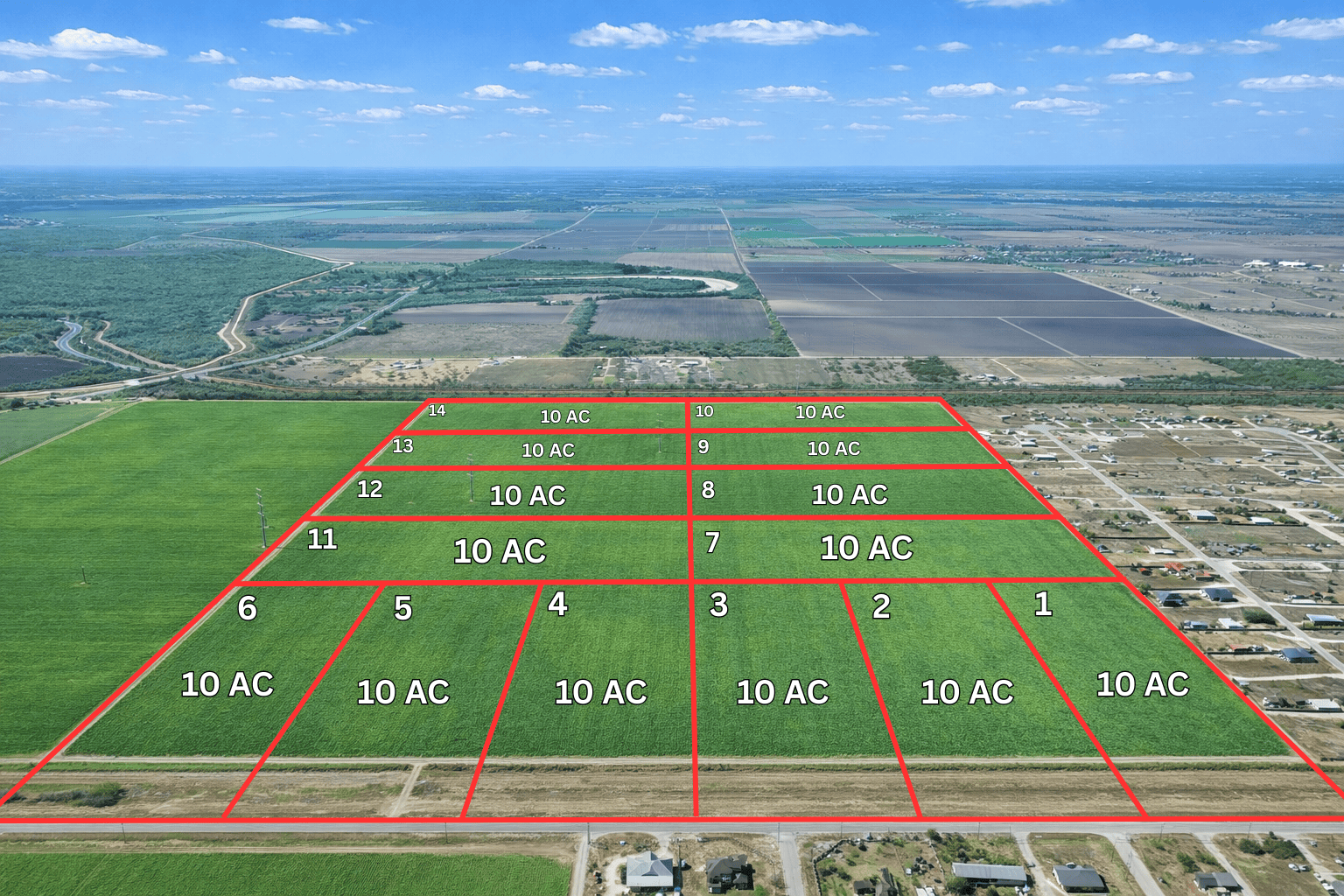
Victory Land Sales sells rural tracts across Texas, mostly 10-acre lots, with some smaller and larger options depending on the property. If you're not sure how much land you need, start with what you want to do on it, then size up from there.
Step 2: Pick a region
Texas is huge, and land in the Panhandle feels nothing like land near the coast. Think about where you work, where family lives, what kind of weather you like and how far you're willing to drive to town. Here's a quick look at the four areas where we have land.
Lubbock and the South Plains
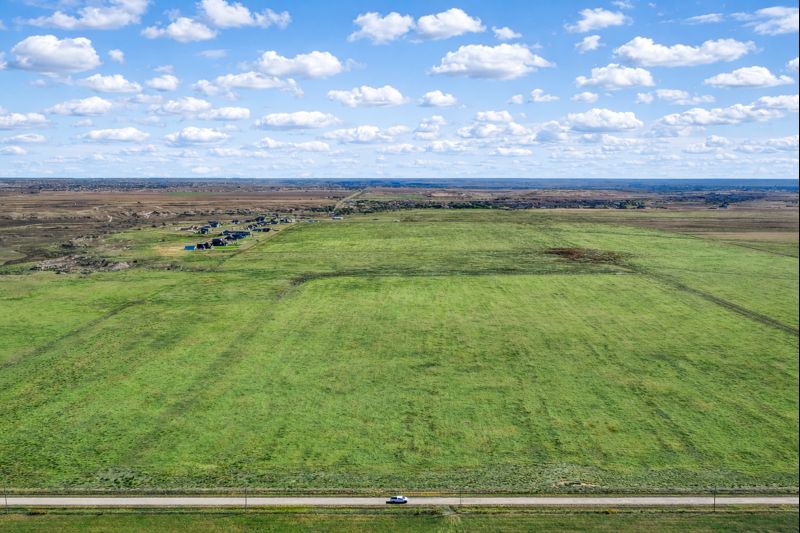
Wide-open, flat farm country with big skies and small towns like Idalou, Levelland, New Home, Brownfield and Abernathy. Many of our tracts here are within a short drive of Lubbock, which gives you city jobs and shopping with country living. See every tract on our Lubbock area land page.
Amarillo and the Panhandle
The Amarillo area mixes open grassland with quick access to the city and to Canyon, home of West Texas A&M and Palo Duro Canyon. We have tracts east of Amarillo and near Canyon. Browse them on our Amarillo area land page.
Corpus Christi and the Coastal Bend
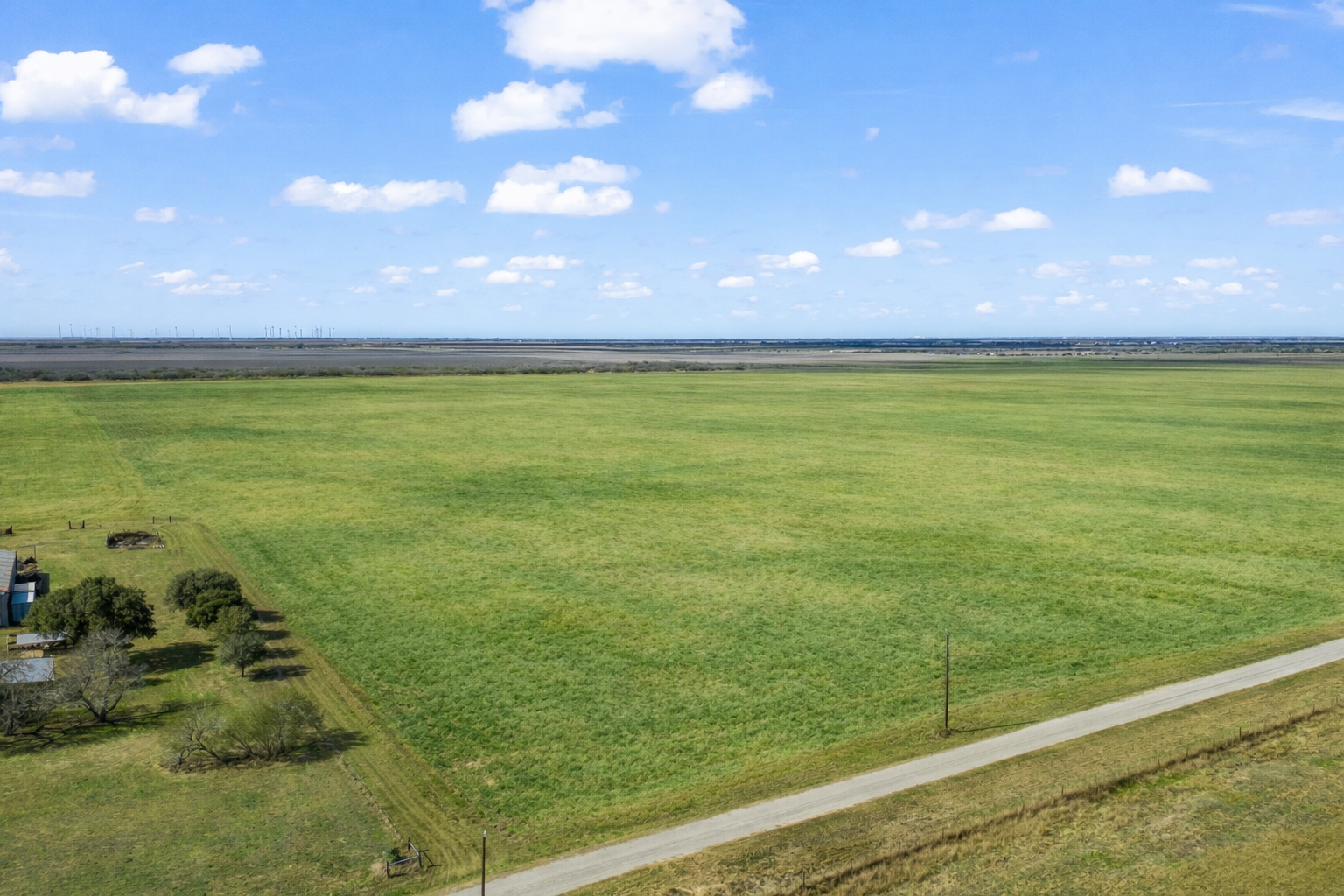
If you want to be near the water, the Coastal Bend puts you within driving distance of Corpus Christi and the Gulf. Our land here sits near Sinton, Orange Grove, Aransas Pass and the Corpus Christi area. Flood zones matter more on the coast, so Step 4 is especially important. See our Corpus Christi area land page.
Rio Grande Valley
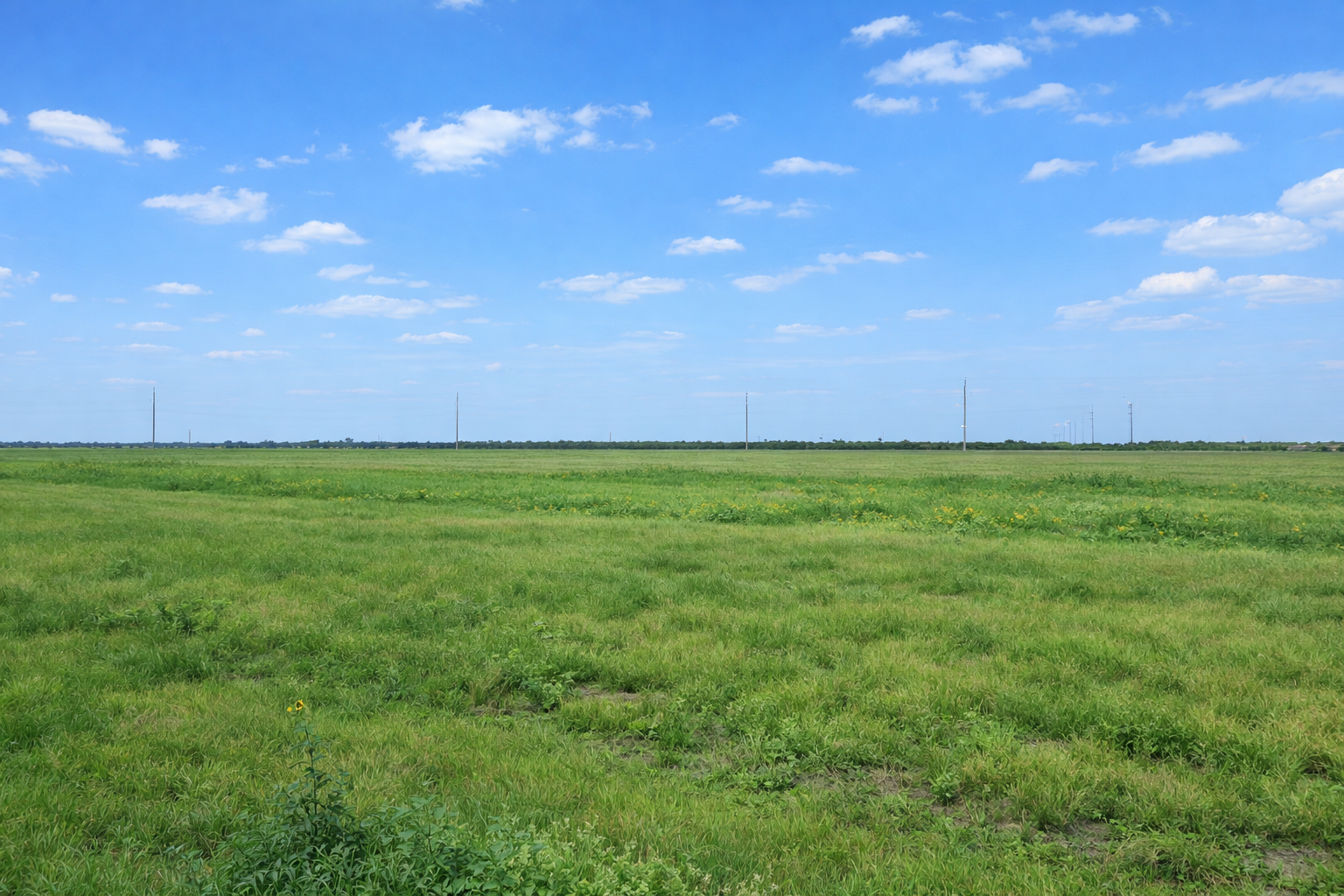
The Valley offers a warm climate and fast-growing communities around Harlingen and McAllen. Our current tracts are near La Feria, Santa Rosa and Rio Grande City. See them on our Rio Grande Valley land page.
Step 3: Check restrictions and zoning
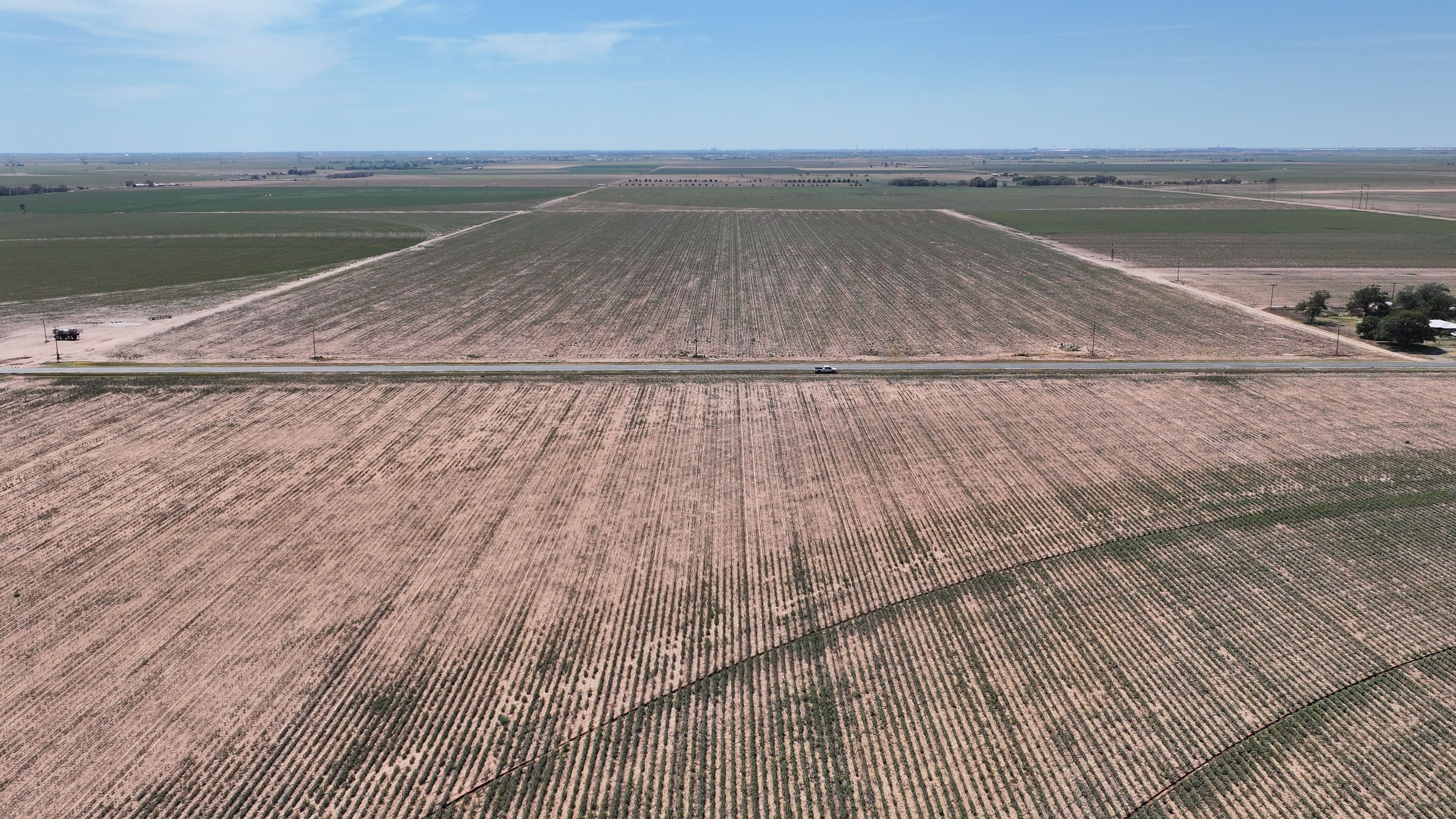
This is where first-time buyers are most often surprised. Inside city limits, zoning decides what you can build. Out in the county, it's usually a different story: Texas counties generally don't have the broad zoning power that cities have, so most rural land outside city limits isn't zoned the way a city lot is. Counties still have rules for things like septic systems, floodplains, subdivisions and driveways onto county roads.
On rural land, the rules that matter most are usually the deed restrictions. These are recorded with the county and stay with the land when it changes hands. They can cover the type of home allowed, how far a building must sit from the road, whether you can live in an RV, and what businesses or animals are allowed. Some subdivisions also have a homeowners association (HOA) with its own rules and dues.
Before you buy, ask the seller for the full deed restrictions in writing and read every line. On our tracts, the most common restrictions are no commercial shooting ranges and no junk yards, and many of our properties have no HOA. Some tracts have extra rules, such as limits on older mobile homes, so check the specific tract. Our guide to unrestricted vs restricted land in Texas explains what to look for.
Before you sign: a quick land checklist
- Read the full deed restrictions and ask about any HOA.
- Confirm road access and who maintains the road.
- Ask how you'll get water, power and septic on that exact tract.
- Look up the flood zone on FEMA's Flood Map Service Center.
- Ask when the deed is recorded in your name.
Step 4: Check access, water, power and the flood zone
A great price doesn't help if you can't get to the land or get utilities to it. Check these four things for the exact tract you want, not just the general area.
Road access
Make sure the tract touches a public road or has a recorded easement. Ask whether the road is paved, gravel or dirt, and who maintains it. Drive it after a rain if you can, because a dirt road that's fine in July can be a mess in a wet spring.
Water
Most rural tracts don't have a city water line, so you'll likely drill a water well. Some properties have a water line along the road, and some areas have a local water supply corporation. Ask the seller what's available, and talk to well drillers who work in that county. In West Texas, local groundwater conservation districts may have their own well rules. Our post on well and septic on raw land walks through how that works.
Power
Find out which electric provider serves the tract and whether power runs along the road. Many rural tracts are served by an electric cooperative. Call them with the property location and ask what they need to set a meter. On our tract pages, we list whether power is available on all lots and often the provider's name and phone number.
Septic
Without a sewer line, you'll need a septic system, also called an on-site sewage facility (OSSF). In Texas, septic rules are set by the Texas Commission on Environmental Quality, and permits are usually handled by the county or another local authorized agent. A site evaluation tells you what type of system your soil needs.
Flood zone
Look up the tract on FEMA's Flood Map Service Center at msc.fema.gov. If part of the land is in a mapped flood zone, plan your home site on the higher ground, and ask the county about any floodplain permit. This matters most near the coast and in low-lying areas, but it's worth checking everywhere.
Step 5: Choose how to pay
There are three common ways to pay for land in Texas: cash, a bank or credit union land loan, or owner financing.
- Cash. The simplest path. You pay the full price at closing and own the land free and clear.
- A bank or credit union land loan. Some lenders offer loans on raw land, but many have stricter credit and paperwork rules for land than for houses. Veterans may also qualify for a Texas Veterans Land Board loan; see our guide to Texas land for veterans.
- Owner financing. The seller acts as the lender, so you make payments to the seller instead of a bank. Victory Land Sales offers owner financing on its land.
With Victory Land Sales, owner financing comes with simple approval and no minimum credit score. We do check credit and verify income, but your credit score alone won't decide whether you can buy. Every property page lists its own pricing, and we're happy to go over the details for any tract by phone. To see how it works from first call to closing, read how owner financing works on land in Texas or visit our owner financing process page.
Whatever you choose, get everything in writing and ask questions before you sign. Our guide to buying land directly from the owner in Texas covers what to check when you're dealing with a seller instead of a bank.
Step 6: Closing and the deed
Closing is when ownership changes hands. In Texas, land often closes through a title company, though some sellers handle closings in-house. Either way, the key document is the deed, which is signed and then recorded with the county clerk where the land sits. Recording the deed puts your ownership on the public record.
When you buy from Victory Land Sales, the process is simple: you pick a tract, we draft the purchase agreement for your review and send it for electronic signature, and our in-house team handles the closing. If you're buying directly through us and not using a title company, we can usually prepare the closing package within 24 to 48 hours. Your deed is recorded with the county and transferred to you at closing, not years later. If you're using owner financing, Victory holds a lien on the land until it's paid off, much like a bank would on a mortgage. We also provide a survey of the tract free of charge. To learn more about deed types, read warranty deed vs contract for deed in Texas.
Step 7: After you buy
Once the land is yours, a few things are worth doing early.
- Look into property tax exemptions. If the land is used for qualifying agriculture, you may be able to apply for agricultural appraisal (often called "1-d-1" or ag valuation) with the county appraisal district. Our guide to the ag exemption on 10 acres in Texas explains how it works. If you build and live on the land as your main home, ask the appraisal district about the residence homestead exemption. The Texas Comptroller's website explains both.
- Mark your corners. Use your survey to find the property corners before you fence or build.
- Plan improvements in order. Most owners start with a driveway, then power, water and septic, then the home or shop. Get written quotes from local contractors.
- Keep your paperwork. Store a copy of the recorded deed, the survey and the deed restrictions in a safe place.
See Available Land
Owner-financed tracts for first-time buyers in all four of our regions, available right now.
Common first-time buyer mistakes
- Not reading the deed restrictions before signing, then finding out the planned home isn't allowed.
- Assuming utilities are on site. "Power available" usually means it's at or near the road, not hooked up to a house.
- Skipping the flood map. It takes a few minutes and can change where you build.
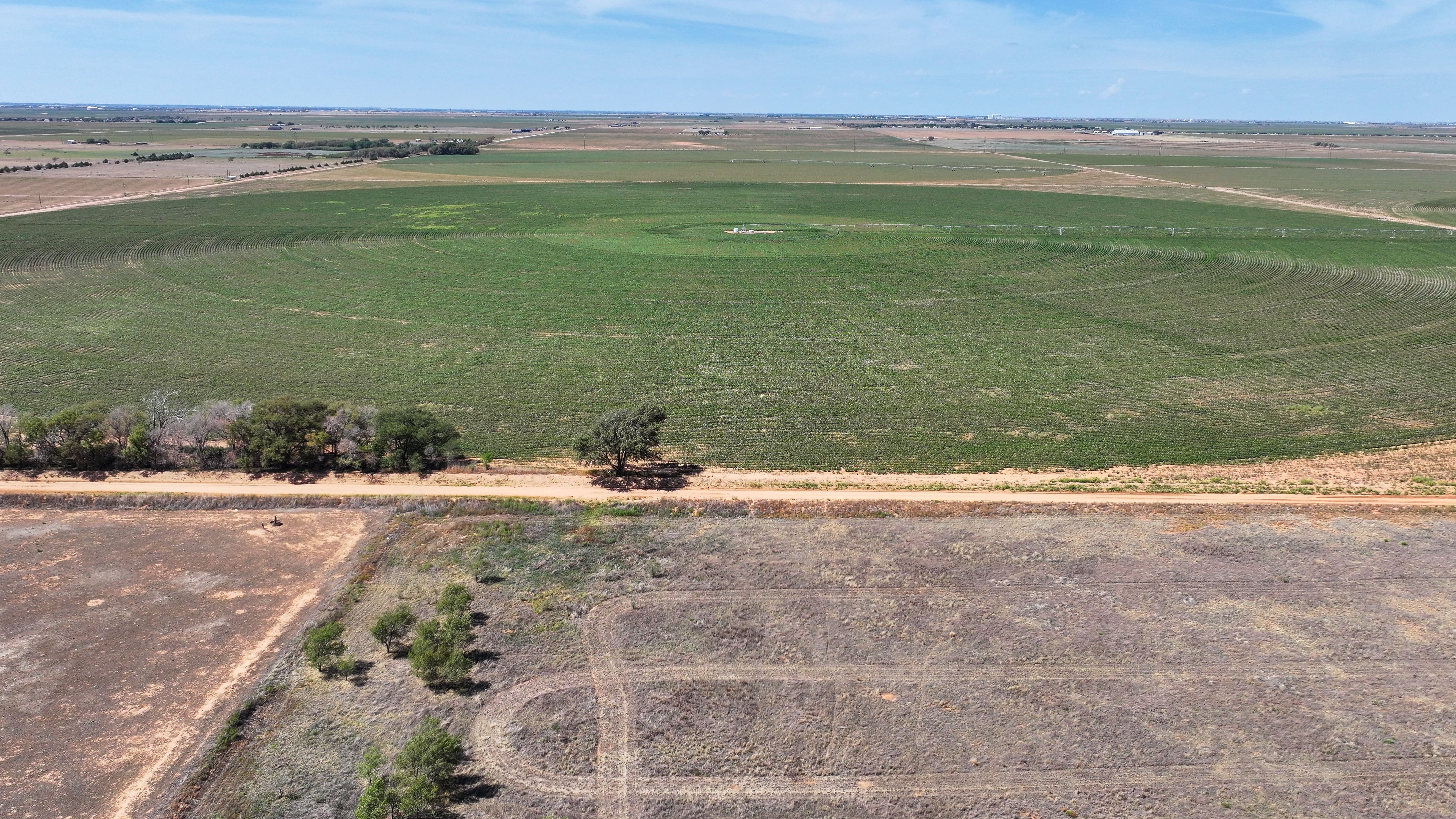
- Not visiting the land. Photos and maps help, but walking the tract tells you about the road, the neighbors and the view.
- Not asking how the deed works. Make sure you know when the deed is recorded in your name.
Frequently asked questions
How do I buy land in Texas?
Decide what the land is for, pick a region, read the deed restrictions, and check road access, water, power and the flood zone for the exact tract. Then choose cash or financing, sign a purchase agreement, and close. At closing the deed is signed and recorded with the county clerk.
Can I buy land in Texas with bad credit?
Often, yes. With owner financing, the seller decides who qualifies instead of a bank. At Victory Land Sales, we offer simple approval with no minimum credit score. We do check credit and verify income, but your score alone does not decide whether you can buy.
Do I need a realtor to buy land in Texas?
No. You can buy land in Texas directly from the owner without a real estate agent. Many buyers work with a title company for closing, and some sellers, including Victory Land Sales, handle closings in-house. Whatever route you choose, read every document before you sign.
What should I check before buying land in Texas?
Check the deed restrictions and any HOA rules, legal road access, how you will get water, power and septic, and whether any part of the tract is in a FEMA flood zone. Also ask for a survey and confirm when the deed will be recorded in your name.
Can I put a home on the land I buy?
Usually, yes. Most rural Texas land outside city limits has no city zoning, so the deed restrictions decide what kind of home is allowed. You will also need a septic permit and a plan for water and power. Ask the seller for the deed restrictions for your specific tract.
Ready to find your land?
Buying your first piece of Texas land is a big step, and you don't have to figure it out alone. Browse all available land, explore the area pages for Lubbock, Amarillo, Corpus Christi and the Rio Grande Valley, or check our FAQs. When you find a tract you like, call or text us at 806-606-0824 and we'll answer your questions, send the deed restrictions and help you set up a property visit.
Follow Victory Land Sales


New land, buyer tips and stories from the field.
About the author
Bo “Knows Dirt” Birkeland, VP of Victory Land Sales
Bo Birkeland is all about land (it's in his name!), real estate, and helping people find their perfect spot to call their own. As the sales leader of Victory Land Sales, he connects buyers with great properties, whether for building, investing, or just having a place to escape. He knows firsthand the freedom that comes with owning land and loves helping others find their own slice of it.