Warranty Deed vs Contract for Deed in Texas: What Land Buyers Should Know

By Bo Birkeland, Victory Land Sales
VP of Victory Land Sales · Published October 26, 2026
Short answer: With a warranty deed, the land is legally yours at closing: the deed is recorded in your name and, if you're paying over time, the seller holds a lien until you pay it off. With a contract for deed, the seller keeps the legal title and hands you a deed only after your final payment. At Victory Land Sales, your deed is recorded with the county at closing and Victory holds the lien, so you own your land from day one. We issue a special warranty deed with a vendor's lien, which means the lien stays on the land until the note is paid off.
If you're comparing owner-financed land in Texas, this is one of the most important questions you can ask a seller: when do I actually get the deed? Two offers can look alike on paper and still leave you in very different positions. This guide explains what a warranty deed is, how a contract for deed works, what Texas law says about each, and the questions to ask before you sign anything.
Want to own your land at closing? Browse available land or call or text 806-606-0824 and we'll walk you through how our closing works.
What a warranty deed is
A deed is the document that transfers ownership of real estate from one person to another. A warranty deed is a deed in which the seller (the grantor) promises the buyer (the grantee) that the title is good and that the seller will stand behind it if someone else later claims the land.
Texas Property Code §5.022 gives the classic form. The seller states that they "grant, sell, and convey" the property and bind themselves and their heirs "to warrant and forever defend" it "against every person whomsoever, lawfully claiming or to claim the same." Once that deed is signed, delivered and recorded with the county clerk, the public record shows you as the owner.
General warranty vs special warranty
General warranty deed: The seller guarantees the title against any claim, no matter when it arose, including problems from before the seller owned the land.
Special warranty deed: The seller guarantees the title only against claims that arose while the seller owned it.
Even a deed with no written warranty carries some protection in Texas. Under Property Code §5.023, using the words "grant" or "convey" implies that the seller hasn't already conveyed the property to someone else and that it's free from encumbrances the seller didn't disclose, unless the deed says otherwise. Many buyers also get an owner's title insurance policy from a title company for extra peace of mind.
Deed with a lien: how owner financing usually works
When you buy land with seller financing and get a deed at closing, the seller doesn't simply trust you to pay. Instead, you sign a promissory note, and the seller keeps a lien on the property (often through a deed of trust or a vendor's lien written into the deed). The lien is the seller's security. You're the owner of record; the seller has a claim against the land until the debt is paid. When you make your final payment, the seller releases the lien and you own the land free and clear.

What a contract for deed is
A contract for deed (Texas law calls it an executory contract for conveyance, and you may also hear "land contract") is an agreement in which the seller promises to deliver a deed later, usually after the buyer has made every payment. Until then, the seller keeps the legal title. You may be able to move onto the land and use it, but the county records still show the seller as the owner.
That gap between paying and owning is where buyers have historically been hurt. If something goes wrong, such as a missed payment, a dispute or a seller who takes out a loan against the land or dies without clear paperwork, the buyer may have paid for years without ever holding title.
Is a contract for deed legal in Texas?
Yes. Contracts for deed are legal in Texas, but when the land is used or will be used as the buyer's home, they're tightly regulated by Texas Property Code Chapter 5, Subchapter D. Some of the key buyer protections:
Disclosures before signing (§5.069 and §5.070): The seller must give the buyer a recent survey or plat, copies of documents describing any liens, restrictive covenants or easements, a written property-condition notice, and a tax certificate.
Recording (§5.076): The seller must record the contract with the county within 30 days after it's signed.
Yearly statement (§5.077): Each January, the seller must send the buyer a statement showing what's been paid and what's still owed.
Right to convert (§5.081): The buyer can, at any time and without penalty, convert the contract into recorded legal title, with a deed to the buyer and a deed of trust back to the seller.
Notice and a chance to cure (§5.064 to §5.066): A seller can't simply cancel the contract after one late payment. The buyer must get written notice and time to fix the default, and once the contract is recorded, the seller has to go through a foreclosure-style sale instead of just taking the land back.
Deed after final payment (§5.079): If the contract hasn't been recorded or converted, the seller must transfer recorded title within 30 days after receiving the final payment.
Texas law even says that a recorded executory contract is treated the same as a deed with a vendor's lien. In other words, the Legislature pushed these deals toward the deed-with-a-lien model because it protects buyers better.
Side-by-side comparison
Every deal is different, so read your own documents carefully. In general, here's how the two compare:
Question | Deed at closing (seller holds lien) | Contract for deed |
|---|---|---|
Who holds legal title? | You, from closing | The seller, until your final payment |
What's recorded with the county? | The deed in your name, plus the seller's lien | The contract (required by law for residential deals) |
Building and improvements | You're improving land you own | You're improving land the seller still owns |
If the buyer defaults | The seller must follow the foreclosure process for the lien | Notice and a cure period, then forfeiture or a foreclosure-style sale depending on the situation |
Homestead and resale | You're the owner of record, which makes a homestead filing, a later sale or a refinance more straightforward | Harder until title transfers, since the seller is still the owner of record |
Own your land at closing with Victory
Your deed is recorded with the county in your name at closing, not at payoff.
Victory holds the lien until the land is paid off.
Simple approval: we check credit and verify income, with no minimum credit score.
Access to your land right away.
Browse land for sale → Call or text 806-606-0824
Why it matters: ownership, homestead, improvements and resale
Ownership and peace of mind
When the deed is recorded in your name, the land is part of the public record as yours. A seller's later debts, lawsuits or estate problems generally attach to what the seller owns, and after closing, that's the lien, not the land itself.
Homestead
If you build or place a home and live on the land, being the owner of record makes it easier to apply for a residence homestead exemption with the county appraisal district. Ask your appraisal district what documents it needs.
Improvements
Fences, a well, septic, a barn or a home are big investments. You want them on land titled in your name. If you plan to add utilities, our guide to adding a well and septic to raw land walks through the steps, and our guide to unrestricted vs restricted land explains what you can build.
Resale and refinancing
Plans change. When you hold title, you can sell the land or refinance it with a bank, paying off the seller's lien at closing. With a contract for deed, the seller is still on title, so any sale or refinance has to go through them first.
How Victory Land Sales does it
Victory Land Sales uses the deed-at-closing model on every owner-financed tract. Here's how it works:
Pick your tract. Every active tract page lists the price, acreage, survey details and deed restrictions.
Simple approval. We check credit and verify income, but there's no minimum credit score.
Close. Our in-house team handles the closing and can typically prepare the closing package within 24 to 48 hours. If you'd rather use a title company, just tell us.
Your deed is recorded. The deed is recorded with the county in your name at closing. Victory holds the lien until the land is paid off, and you get access to your land right away. Victory Land Sales issues a special warranty deed with a vendor's lien. The lien stays on the land until the note is paid off.
For the full walkthrough, read how owner financing works on land in Texas or see our owner financing process.
Questions to ask any owner-finance seller
Do I get a deed at closing, or a contract for deed?
Will the deed be recorded with the county, and when?
What kind of deed is it, and what warranties does it include?
What document creates the seller's lien, and how is it released when I pay off the land?
Can I use a title company or attorney of my choice for closing?
Are there existing liens, mortgages or easements on the property?
What are the recorded deed restrictions?
Can I see a survey or plat of the tract?
A trustworthy seller will answer every one of these clearly and in writing. Veterans comparing options can also read our guide to Texas land for veterans, and anyone planning to farm or ranch should read about the ag exemption on 10 acres.

This article is general information, not legal advice. For advice about a specific contract or deed, talk with a Texas real estate attorney.
Where to find land with a deed at closing
Lubbock area: South Plains acreage near Idalou, Brownfield, Abernathy, Levelland and New Home.
Amarillo area: Tracts southeast of Amarillo and just west of Canyon.
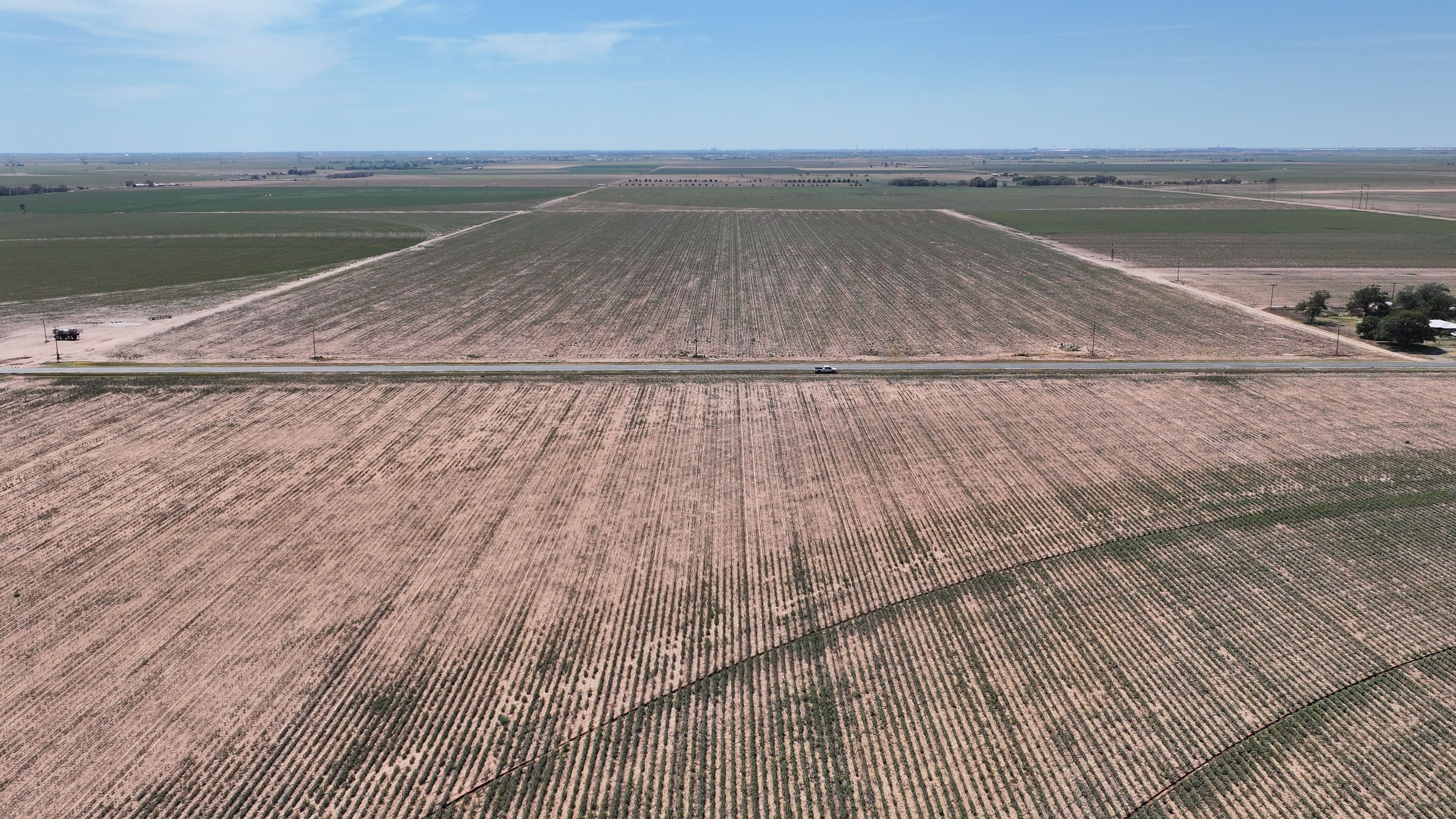
Corpus Christi area: Acreage near Sinton, Orange Grove and Corpus Christi.
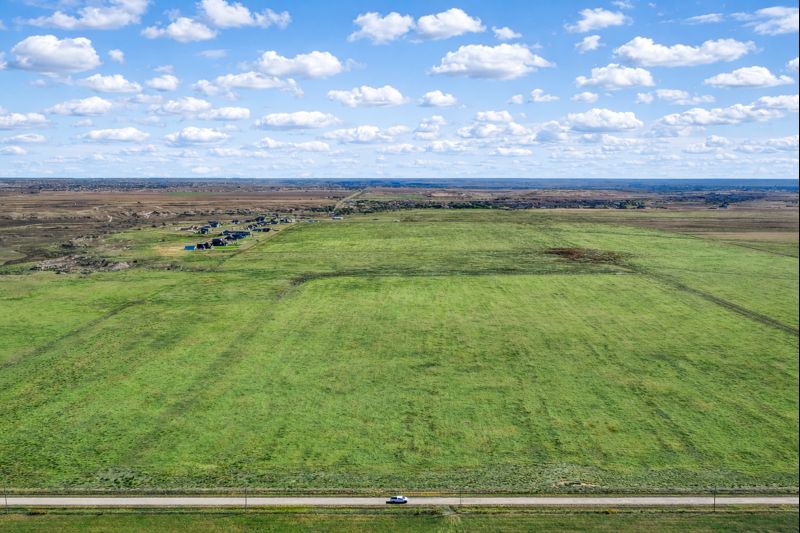
Rio Grande Valley: Land in La Feria, Santa Rosa and near Rio Grande City.
See Available Land
Owner-financed tracts with your deed recorded at closing.
Sinton, TX · Near Corpus Christi
La Feria, TX · Rio Grande Valley
Frequently asked questions
What is the difference between a warranty deed and a contract for deed in Texas?
With a warranty deed, ownership transfers to you at closing and the deed is recorded in your name; if you finance with the seller, the seller holds a lien until you pay off the land. With a contract for deed, the seller keeps legal title and delivers the deed only after your final payment.
Do I get the deed at closing with owner financing?
It depends on the seller, so always ask. With Victory Land Sales, yes: your deed is recorded with the county in your name at closing, and Victory holds the lien until the land is paid off.
Is a contract for deed legal in Texas?
Yes. Contracts for deed (executory contracts) are legal in Texas. When the property is the buyer's residence, Texas Property Code Chapter 5, Subchapter D requires disclosures, recording within 30 days, a yearly statement, notice and a chance to cure before default remedies, and gives the buyer the right to convert the contract into a deed at any time.
Who holds the title with owner financing?
With a deed at closing, the buyer holds title and the seller holds a lien as security. With a contract for deed, the seller holds title until the final payment. At Victory Land Sales, the buyer holds title from closing.
Can I build on land I bought with a contract for deed?
Often you can, if the contract and any deed restrictions allow it, but you would be improving land the seller still owns until title transfers. With a deed at closing, you build on land titled in your name.
Own your land at closing
The difference between a deed and a contract for deed comes down to one thing: when the land becomes yours. With Victory Land Sales, it's yours at closing. Browse our available land, then call or text 806-606-0824 or contact Victory Land Sales with any questions about how our closing works.
Follow Victory Land Sales


New land, buyer tips and stories from the field.
About the author
Bo “Knows Dirt” Birkeland, VP of Victory Land Sales
Bo Birkeland is all about land (it's in his name!), real estate, and helping people find their perfect spot to call their own. As the sales leader of Victory Land Sales, he connects buyers with great properties, whether for building, investing, or just having a place to escape. He knows firsthand the freedom that comes with owning land and loves helping others find their own slice of it.
Keep reading
How owner financing works on land in Texas →Unrestricted vs restricted land in Texas →What raw land in Texas really means →Texas land for veterans →Ag exemption on 10 acres in Texas →Land for sale in the Lubbock area →Land for sale in the Amarillo area →Land for sale near Corpus Christi →Land for sale in the Rio Grande Valley →Our owner financing process →Owner-financed land FAQs →