
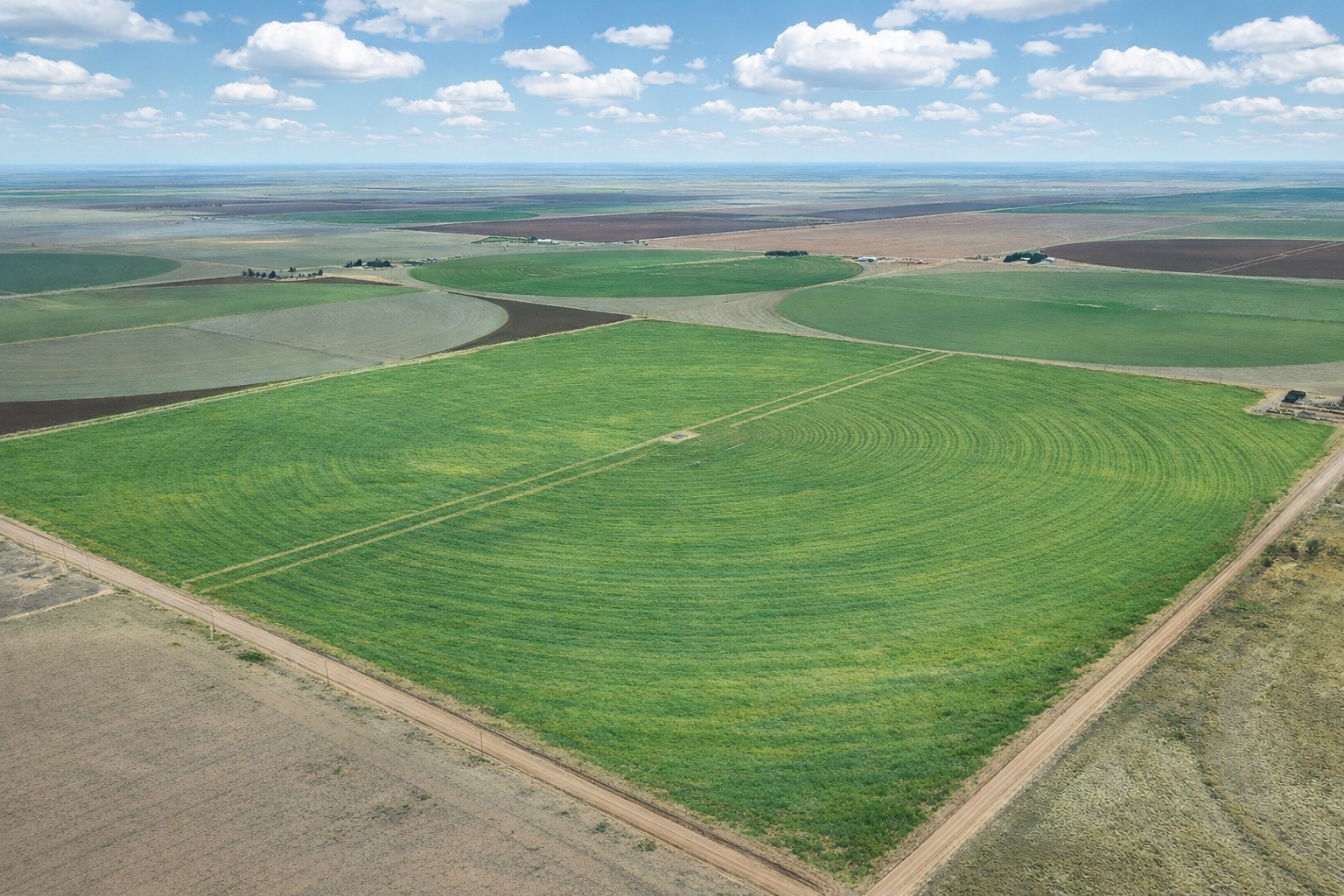
Short answer: Yes, you can farm 10 acres in Texas, as long as you think small farm, not big row-crop operation. Ten acres suits hay, a market garden, an orchard or pecan block, beehives or a few acres of a field crop. Water decides what is possible, and most raw land needs a well, so start there.
Most farm land listings in Texas run to hundreds of acres, priced for operators who already own the equipment and the water. If you want a big garden and some extra income, a hay patch for your own animals, or a place to plant pecans for retirement, those listings are out of reach and far more land than one family can manage. Ten acres is a different story: enough ground to grow something real, small enough to work with a family and basic equipment. This guide covers what a small tract can realistically grow, the water and soil questions to answer first, and where our 10-acre land near Lubbock, Amarillo and the Rio Grande Valley fits.
Walk the land before you plan the rows
Every Victory buyer tours the land in person. Bring your crop plan and your water questions.
Book a land tour Call or text 806-606-0824What 10 acres can realistically grow
A 10-acre tract is about 435,600 square feet. That sounds like a lot, but the house, well, septic area, driveway and a barn or shop take a slice before you plant anything. Here are the uses that fit a small tract best.
Hay and forage
A few acres of hay or grazing forage can feed your own horses, goats or cattle, and any extra can sell to neighbors. Hay needs cutting, raking and baling equipment, or a neighbor you can hire to do it. If animals are part of your plan, read our first-year livestock setup guide alongside this one.
A market garden
Vegetables, melons, herbs or cut flowers can grow on an acre or two and sell at a farmers' market, a farm stand or straight to neighbors. A market garden takes the most hours per acre of anything on this list, but it also needs the least land and equipment to start.
An orchard or pecan block
Fruit and nut trees take years to bear, so plant early if trees are in your long-term plan. Pick varieties suited to your region and your water. Your county AgriLife Extension office is the best local source for what grows well where you are.
Bees
Beehives take very little ground and pair well with a garden or orchard. Some Texas counties treat beekeeping as an agricultural use for property tax purposes. We explain how that works in our ag valuation guide for 10 acres.
A small field crop
A few acres of grain, sorghum or cotton is possible, but equipment costs and water make it a stretch on 10 acres. Most small-tract farmers start with one of the uses above and grow from there.
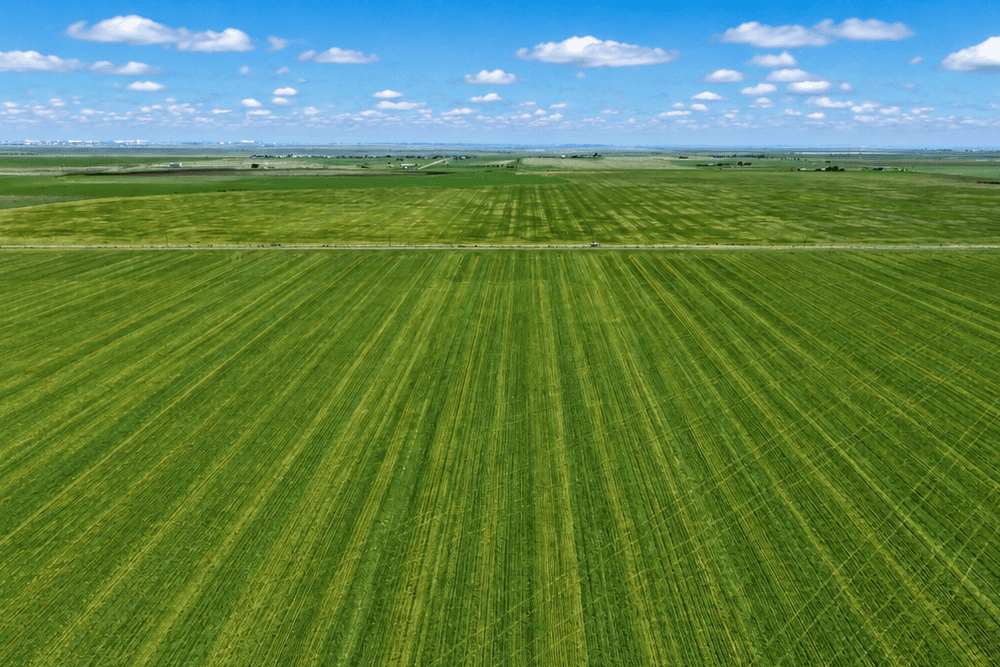
Water comes first
In most of Texas, a farm without water is a pasture. Before you choose a crop, find out where your water will come from and what the rules are.
What the tract pages say
Our tract pages are clear about water. Most of our Lubbock-area and Amarillo-area pages say "Well water, wells required," which means the buyer drills the well. A few list something different. The Yolanda Farms page near New Home lists two 10-acre tracts that already have a well. The Junior Oaks page near Rio Grande City lists a water line at the road. A water line built for household service may not be meant for watering crops, so ask the water provider before you plan on it for irrigation.
Groundwater districts and well permits
Texas groundwater is managed by local groundwater conservation districts, and each sets its own rules. Around Lubbock, the High Plains Underground Water Conservation District requires a permit before drilling and producing from any well expected to produce 17.5 gallons per minute or more. A smaller household well can fall under different rules than an irrigation-size well. Other parts of Texas are covered by other districts, and some areas have none. Look up your county on the Texas Water Development Board groundwater district list and call the district before you drill.
For depths, costs and how to look up nearby well logs, read our guide to water wells on West Texas land. For the full raw-land picture, including septic, see what raw land with a well and septic really means.
Start small, then add water
Many small-tract farmers begin with crops that need little water, such as dryland forage or a few drought-tolerant rows, and add a drip line or a bigger well later. Drip irrigation puts water at the root zone and suits a market garden or young trees. Rain catchment from a barn roof can help a garden too. Plan the well, the house and the septic area together on your survey so they don't crowd your growing ground. Our septic permit guide explains the setback rules.
Before you plant: the water-first checklist
- Water source. Does the tract page say "wells required," list a well, or list a water line at the road?
- Groundwater district. Look up your county on the TWDB groundwater district list and read that district's well rules.
- Well size. Household wells and irrigation wells can fall under different rules. Ask before you drill.
- Soil. Send a sample to the Texas A&M AgriLife soil testing lab before you buy seed or fertilizer.
- Time. Count the hours a week you can really give the land. Pick the crop to fit them.
Soil: test before you plant
Soil changes from one field to the next. The Texas A&M AgriLife Extension Soil, Water and Forage Testing Laboratory analyzes soil nutrients and publishes fertilizer recommendations based on soil test values and the crop you plan to grow. It also tests forage and non-drinking water. A soil test before you buy seed or fertilizer can save a season of guessing.
Walk the land, too. Look at what grows there now, where water sits after a rain, and how the ground drains. Low spots that hold water can be a problem for crops and for a septic system.
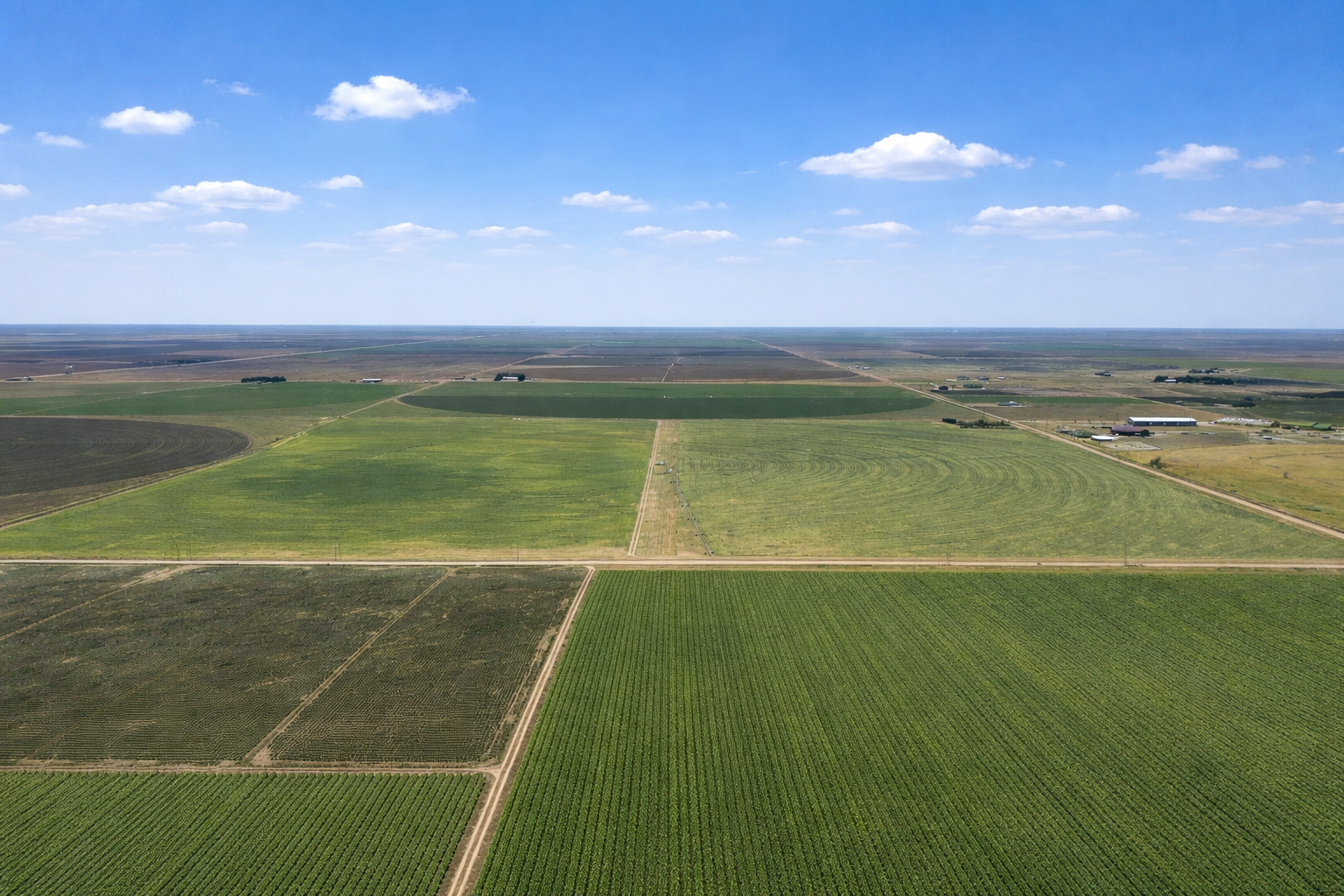
Farming land by market
Every active Victory tract page we link below lists farming among its uses and states the zoning as Agriculture, with power available on all lots.
Lubbock and the South Plains
This is cotton country: wide, flat ground where small equipment is easy to use. Theresa Farms sits about 5 minutes east of Brownfield on paved US-380, about 40 minutes from Lubbock, with 10-acre tracts and a 57-acre tract. Yolanda Farms is about 10 minutes from New Home and 30 minutes from Lubbock on Co Rd 13, with 10-acre tracts and a 39-acre tract. Both pages say wells are required, so water planning comes first. See our Lubbock land guide for more of the area.
Amarillo and the Panhandle
Amelia Vista East is about 15 minutes southeast of Amarillo on E McCormick Rd, with 10-, 30- and 71-acre tracts in Canyon ISD. The Panhandle is dry high-plains ground, so build your plan around hay, drought-tolerant crops and a good well. Our Amarillo land guide covers Canyon, Randall County and the rest of the area.
Rio Grande Valley
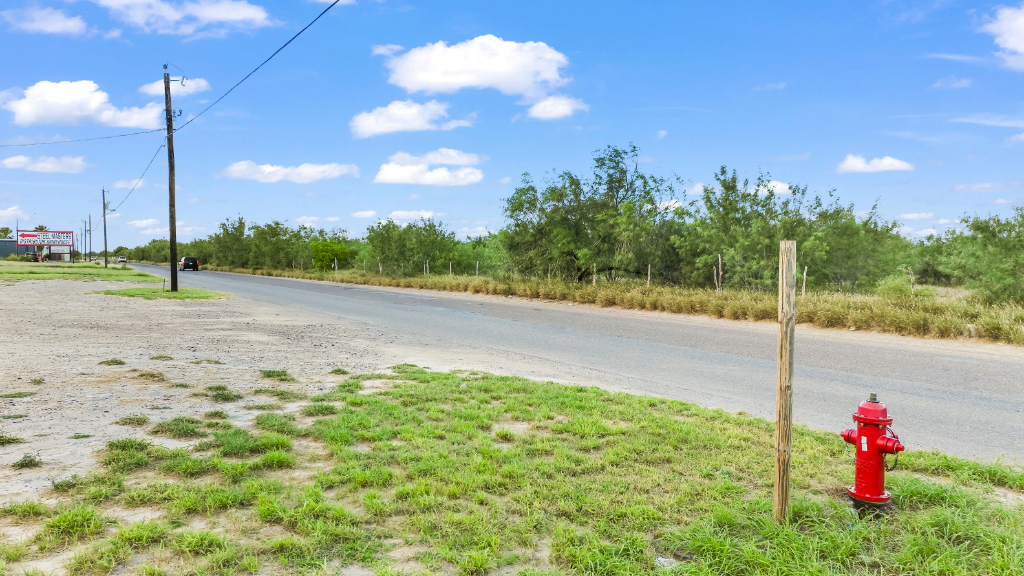
A longer growing season is a real advantage for market produce in the Valley. Junior Oaks is about 10 minutes northeast of Rio Grande City on paved Embassy St, with 10-acre tracts and a water line and power at the road. Browse the Rio Grande Valley page for more land in the area, or the Corpus Christi page for the Coastal Bend.
See the land in person
Book a land tour near Lubbock, Amarillo, Corpus Christi or the Rio Grande Valley.
Book a land tour Call or text 806-606-0824Selling what you grow
Our listed tracts note farming among the uses; confirm business-use and deed rules for the specific tract with our team before you buy. A farm stand or market sales may be possible. The product decides the rules. According to Texas DSHS, a temporary food establishment permit is not required at farmers' markets under its jurisdiction to sell whole, intact, unprocessed fruits and vegetables. Jams, baked goods and other foods made at home fall under the state's cottage food rules, which cover labeling and, for some foods, registration. Eggs, honey and anything processed can have their own rules, so check with the state and your county before you sell.
Taxes and ag valuation
Many buyers ask whether a small farm can lower their property taxes. It can, in some cases, but it depends on the county appraisal district's standards and how the land has been used. We cover the details, including rollback taxes, in our ag valuation guide. Talk to your appraisal district before you count on it.
Before you buy: things you can check
- Zoning and uses. Our active tract pages state the zoning as Agriculture and list farming among the uses. Still read the recorded deed restrictions for the tract and check county rules.
- Survey. The tract pages say a survey is provided by us. Ask for a copy so you can lay out rows, fence lines and the house site.
- Power. The pages list power available on all lots, which helps with a well pump or a cooler for produce.
- Recorded deed. Your deed is recorded with the county clerk at closing.
- Water. Read the water line on the tract page, then call the groundwater district.
Buying farm land with owner financing
Owning your own land is easier than you think. Victory offers owner financing with simple approval and no minimum credit score, or you can buy with cash or a loan. Your deed is recorded in your name at closing. Victory Land Sales is veteran-owned. Learn how it works in our owner financing guide or on our owner financing process page.
See Available Land
Owner-financed 10-acre tracts zoned Agriculture, with power available on all lots and farming listed among the uses.

Frequently asked questions
Can you farm on 10 acres in Texas?
Yes, at a small scale. Ten acres can hold a hay patch, a market garden, an orchard or pecan block, beehives or a few acres of a field crop. Water is usually the limit, so plan the water source before you choose what to grow.
What is the best crop for 10 acres?
It depends on your water, your soil and your time. Hay or forage for your own animals and a market garden of vegetables, melons or flowers are common starting points. A soil test and a talk with your county AgriLife Extension office will narrow it down.
Do I need a well to farm raw land?
On most Victory tracts, yes. The tract pages say wells are required, and the buyer drills the well. A few pages list other options, such as two Yolanda Farms tracts with a well or a water line at the road at Junior Oaks near Rio Grande City. Ask the water provider whether that service can be used for watering crops.
Do I need a permit for an irrigation well in Texas?
It depends on the groundwater district. In the High Plains Water District around Lubbock, a permit is required before drilling any well expected to produce 17.5 gallons per minute or more. Other districts set their own rules, so look up your county on the TWDB groundwater district list.
Does 10 acres qualify for an ag tax valuation?
Maybe. It depends on the county appraisal district's standards and the land's use history. Our ag valuation guide explains how it works; your appraisal district has the final say.
Can I sell what I grow?
Generally, yes, but the product matters. Texas DSHS says a temporary food permit is not needed at farmers' markets under its jurisdiction to sell whole, uncut, unprocessed fruits and vegetables. Home-made foods fall under the cottage food rules. Check state and county rules for eggs, honey and anything processed.
Have a farm plan in mind?
Our local team will walk the land with you and share the survey so you can plan your water and your rows.
Book a land tour Call or text 806-606-0824Follow Victory Land Sales


New land, buyer tips and stories from the field.
About the author
Bo “Knows Dirt” Birkeland, VP of Victory Land Sales
Bo Birkeland is all about land (it's in his name!), real estate, and helping people find their perfect spot to call their own. As the sales leader of Victory Land Sales, he connects buyers with great properties, whether for building, investing, or just having a place to escape. He knows firsthand the freedom that comes with owning land and loves helping others find their own slice of it.