
Short answer: In Texas, building, altering or repairing a septic system (an on-site sewage facility, or OSSF) normally requires a permit from your local permitting authority, usually the county. The common exception is the "10-acre rule": one single-family home on 10 acres or more may skip the permit, but only if every condition is met and the county does not require one anyway.
Most rural land in Texas does not come with a septic system. If you plan to build a house, place a manufactured home or set up an RV, the septic plan decides where the house can sit, where the well can go, and how soon you can move in.
This guide walks through how a septic permit works in Texas, what the 10-acre rule really says, what a site evaluation involves, and what to check before you buy. For the bigger picture on wells, septic and power on raw land, read our guide to owner-financed land with a well and septic. This post is general information, not legal advice; your county's permitting authority has the final word.
Walk the land before you plan the septic
Every Victory buyer tours the land in person. Bring your questions about where the house, well and septic area would go.
Book a land tour Call or text 806-606-0824The short answer: yes, you need a permit (with one exception)
The Texas Commission on Environmental Quality (TCEQ) says a permit and an approved plan are required to construct, alter, repair, extend and operate an OSSF. That covers conventional septic tanks with drain fields, aerobic systems and holding tanks. TCEQ also notes that local permitting programs can be more stringent than the state minimums. So the state rule is the floor, and your county can set a higher bar.
The exception most rural buyers hear about is the 10-acre rule. It is real, but it is narrower than many people think, and it does not mean "no rules." We cover it in detail below.
Step by step: how an OSSF permit works
Here is the usual order, based on TCEQ's permit guidance and the state OSSF rules in 30 Texas Administrative Code Chapter 285.
1. Find your permitting authority
In most areas, TCEQ is not the permitting authority. Most permits come from a local authorized agent, which can be a county, a city, a public health district or a river authority. Where no local program has been authorized, the TCEQ regional office handles permits. TCEQ has a permitting authority search by county; look up the county where the land sits and call that office first.
2. Get a site evaluation
A TCEQ-licensed site evaluator or a licensed professional engineer evaluates the property. TCEQ says this includes a survey of the lot and a soil analysis in the proposed disposal area. More on that below.
3. Design the system and prepare planning materials
The soil results and site layout decide the system type and size. The design and planning materials go with the permit application.
4. Apply for the permit
You submit the application and planning materials to the permitting authority. Under TCEQ guidance, the permitting authority must approve or deny the planning materials and application within 30 days of receiving them. If it denies them, it must explain why in writing, and you can appeal to its supervising body, such as the commissioners court.
5. Install with a licensed installer
Installers are licensed by TCEQ. An Installer I can put in standard systems such as septic tanks with absorptive drain fields, leaching chambers and pumped effluent drain fields. An Installer II can install all types, including advanced systems. TCEQ says an owner may install their own system for a single-family home they own, if the local permitting authority allows it and every requirement is met.
6. Inspection and approval to operate
The permitting authority's designated representative inspects the installation against the state rules or the local order, whichever is stricter. Once it passes, you can use the system.

The 10-acre rule, in plain English
TCEQ says an OSSF may be exempt from permitting if it meets every state design and installation standard in 30 TAC Chapter 285 and meets the 10-acre rule. Miss one condition and the exemption does not apply.
The 10-acre rule checklist (all six must be true)
- A TCEQ-licensed site evaluator or a professional engineer does a site evaluation.
- The system serves one single-family home on a tract of 10 acres or more.
- The system is not causing a nuisance or polluting groundwater.
- Every part of the system is at least 100 feet from the property line.
- Effluent is disposed of on the property.
- That home is the only dwelling on the tract.
Source: TCEQ, Getting a Permit for an OSSF. The system still has to meet the state design and installation standards, and your local permitting authority can require a permit anyway.
Three things buyers often miss:
- It is not a design waiver. The site evaluation still happens, and the same building standards apply.
- The county can still require a permit. TCEQ's wording applies to a tract that "is not required to have a permit from the local permitting authority." Call the county before you count on the exemption.
- One dwelling only. A second home or a rental on the tract ends the exemption.
The 100-foot setback math on a 10-acre tract
The 100-foot rule applies to every part of the system, measured from every property line. On a long, narrow tract, that leaves a strip down the middle. Here is the math using lot dimensions from our live tract pages:
| Tract | 10-acre lot dimensions (from tract page) | Width left after 100 ft on each side |
|---|---|---|
| Amarillo East | 300 ft x 1,453 ft | About 100 ft |
| Nueces Ranch | 333 ft x 1,320 ft | About 133 ft |
| Rancho La Vista | 365 ft x 1,208 ft | About 165 ft |
The house, well, driveway and any barn compete for that same space. Treat the math as a starting point for your site evaluator, not an answer. Whether a specific tract fits the 10-acre rule depends on the setbacks, the soil, the single-dwelling condition and county rules, so confirm with the county's permitting authority before you rely on it.
What a site evaluation involves
Under 30 TAC §285.30, the site evaluator or engineer drills two soil borings or digs two backhoe pits at opposite ends of the proposed disposal area. In areas where the soil varies a lot, the permitting authority can require more. The holes go about two feet below the planned depth of the disposal area, or down to a restrictive layer, whichever comes first.
The soil is sorted into classes, from sandy, gravelly soils (Class Ia) through sandy loam and loam (Class II) to heavier silt and clay soils (Class III and IV). The class, along with groundwater, slope and flood zone, decides which system the site can use and how big the drain field must be.
Who can do it: TCEQ licenses site evaluators, and a Texas professional engineer can also perform the evaluation. Ask for the license number and check it with TCEQ.
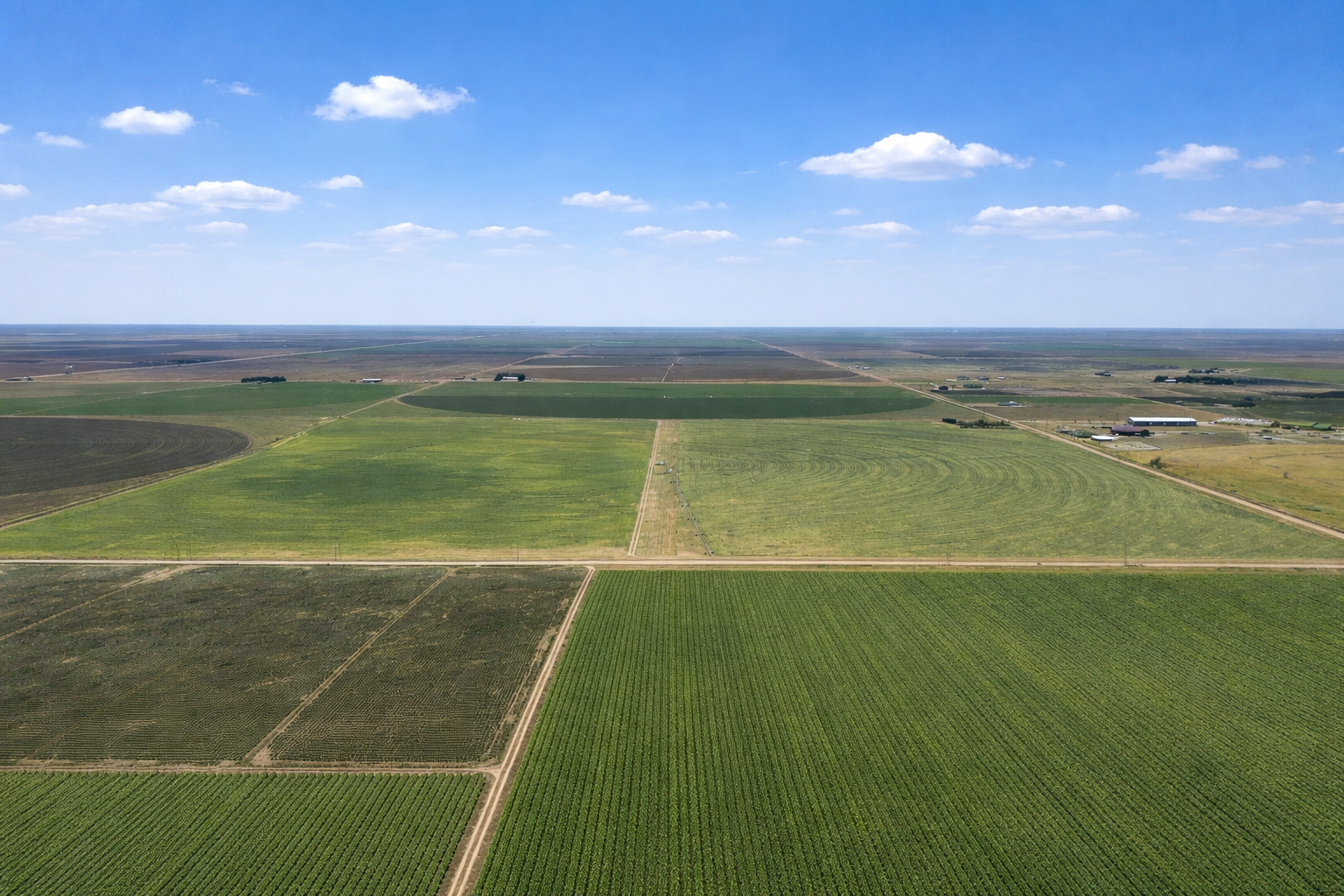
Who issues septic permits in our four markets
Permitting authorities can change, so we do not name offices here. Use TCEQ's county search and call the office it lists for the county where your tract sits.
| Market | Example Victory land | County to search |
|---|---|---|
| Lubbock and the South Plains | Yolanda Farms (near New Home and Tahoka) | Lynn County |
| Amarillo and the Panhandle | Amarillo East | Randall County |
| Corpus Christi and the Coastal Bend | Nueces Ranch | Nueces County |
| Rio Grande Valley | Rancho La Vista (La Feria) | Cameron County |
For more on each area, see our guides to land near Lubbock, land near Amarillo and land near Corpus Christi, or browse the Rio Grande Valley hub.
What to check before you buy the land
- Room for the house, well and septic on the same tract. Sketch all three on the survey. Ask for the survey early.
- Soil. A site evaluation before closing is your choice and your cost, but it answers the biggest unknown. At a minimum, ask the county what systems are common on nearby land.
- Well location. State rules set separation distances between septic parts and water wells. Plan the well and septic together. For West Texas, read our water wells guide.
- Flood zone and drainage. Low spots and floodplain can limit where a drain field goes.
- Recorded deed restrictions. Read the written restrictions for the tract. Our post on restricted vs open land in Texas explains what to look for.
- What you plan to put on the land. A site-built home, a manufactured home and an RV all need a sewage plan. See putting a mobile home on land in Texas.
On Victory tracts, the land is raw. Each tract page lists "Septic system needed (buyer responsible for installation)," and power is available on all lots. Ask our team for the survey for the tract you like.
Conventional or aerobic: why power at the road matters
A conventional system is a septic tank plus a drain field that lets treated water soak into the soil. When the soil, groundwater or space will not support one, the design may call for an aerobic treatment unit or another advanced system.
Aerobic systems use electric pumps and aerators, so they need power to run. TCEQ licenses maintenance providers to service aerobic systems, so plan for ongoing upkeep too, and ask your permitting authority what it requires. This is one reason power on the lot matters: on our tract pages, power is listed as available on all lots, through co-ops such as Lyntegar Electric at Yolanda Farms, Nueces Electric at Nueces Ranch and Magic Valley at Rancho La Vista.
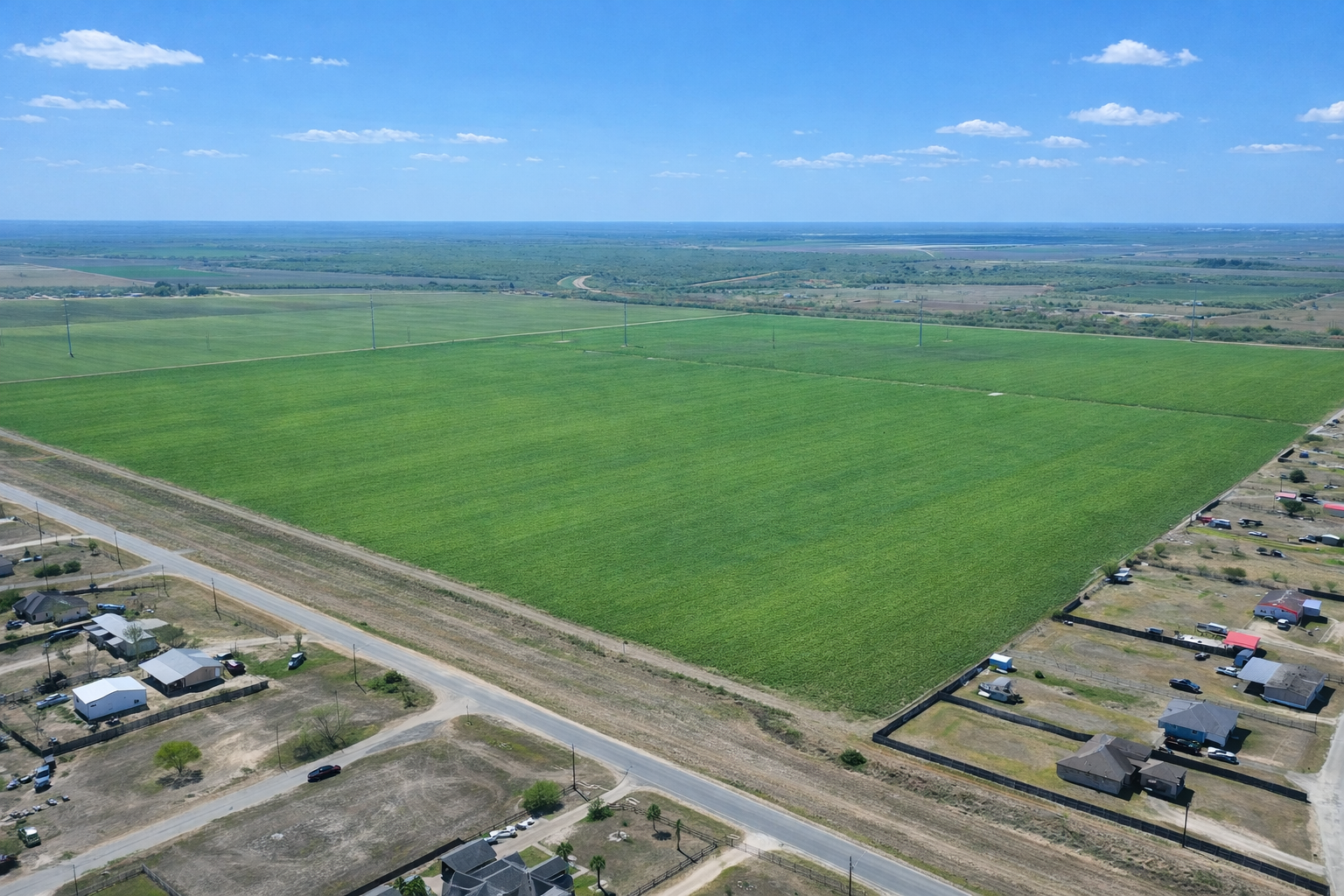
Costs: what varies
We will not quote a septic price, because it depends. Each permitting authority sets its own permit costs. Installation cost depends mostly on the system type the soil allows, the size of the home, the distance to the tank and field, and local contractors. A conventional system on sandy loam and an aerobic system on heavy clay are very different jobs.
The best way to get a real number is to get a site evaluation and two or three bids from licensed installers in that county. Our well and septic guide covers how the well, septic and power costs fit into the bigger setup plan.
Buying raw land with owner financing
Owning your own land is easier than you think. You can pay cash, use a loan from your own lender, or use owner financing from Victory Land Sales with simple approval and no minimum credit score. Your deed is recorded in your name at closing, and Victory holds the lien until the land is paid off. As the owner of record, you handle the septic permit with the county the same way any landowner would. See our owner financing process or read how owner financing works on land in Texas.
Victory Land Sales is veteran-owned. Every buyer sees the land in person before buying, and the tour is the best time to pace off where the house, the well and the septic area would go.
Ready to see land you can build on?
Book a land tour near Lubbock, Amarillo, Corpus Christi or the Rio Grande Valley.
Book a land tour Call or text 806-606-0824See Available Land
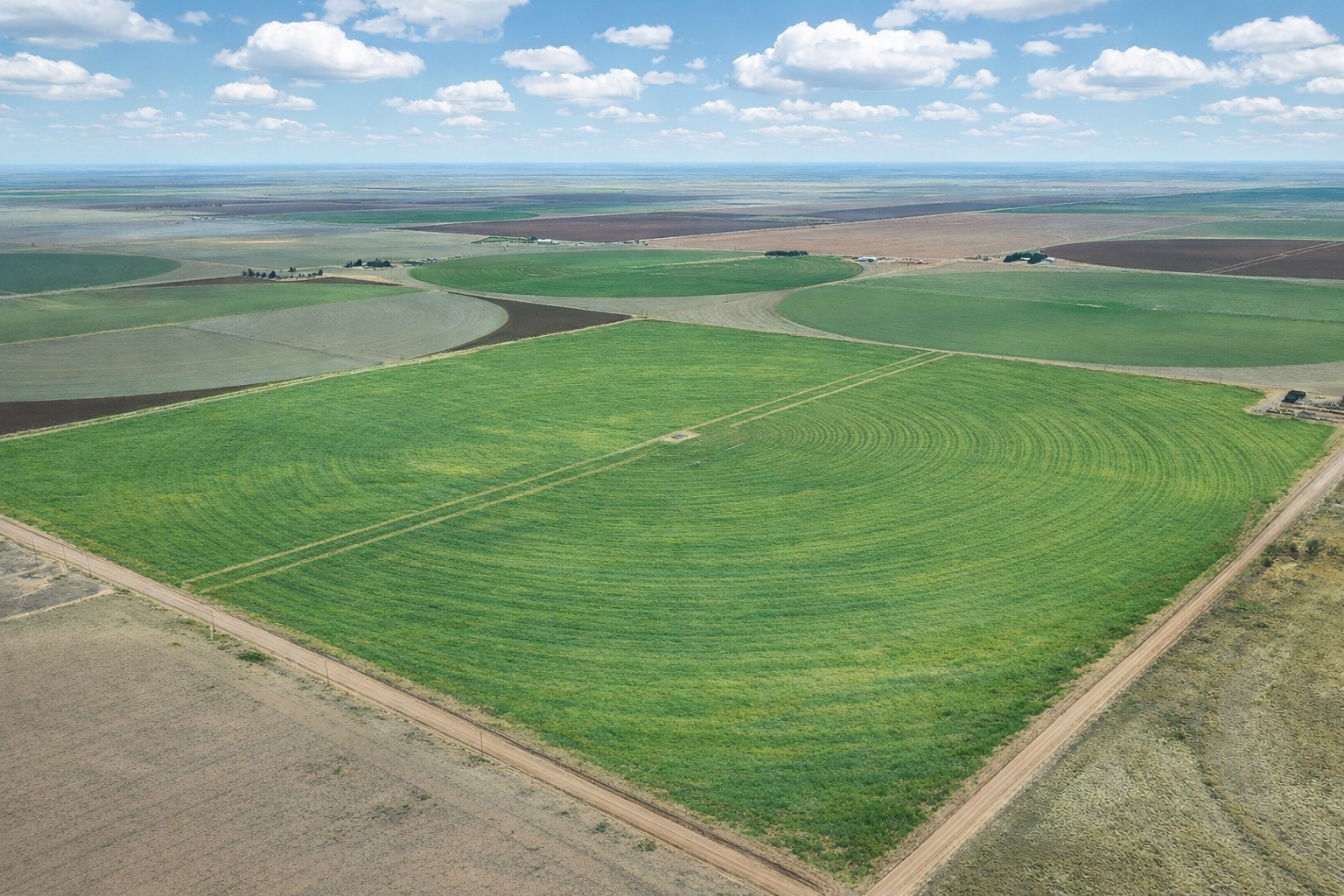
Owner-financed 10-acre tracts across Texas with power available on all lots. The buyer installs the septic system.


Frequently asked questions
Do I need a permit for a septic system in Texas?
In most cases, yes. TCEQ says a permit is required to construct, install, alter, extend or repair an on-site sewage facility (OSSF), including a septic system. Local programs can be stricter than the state minimum, so check with the permitting authority for the county where the land sits.
What is the 10-acre rule for septic systems in Texas?
Under TCEQ guidance, a septic system may skip the permit if it serves the only dwelling, a single-family home, on a tract of 10 acres or more; has a site evaluation by a licensed site evaluator or engineer; causes no nuisance or groundwater pollution; sits at least 100 feet from every property line; and disposes of effluent on the property. State standards still apply, and the county can still require a permit.
Who issues septic permits in Texas?
Usually a local authorized agent, such as a county, city, health district or river authority. Where no local program is authorized, the TCEQ regional office issues permits. TCEQ has a search tool that lists the permitting authority by county.
What is a site evaluation for a septic system?
Before construction, a TCEQ-licensed site evaluator or professional engineer drills two soil borings or digs two backhoe pits at opposite ends of the proposed disposal area, under 30 TAC 285.30. The soil results decide the system type and size.
Is an aerobic septic system required in Texas?
Not everywhere. The soil, the site and the local permitting authority decide which systems a piece of land can use, and some sites need an aerobic or other advanced design. Aerobic systems run on electricity and are serviced by TCEQ-licensed maintenance providers.
Can I put a septic system on raw land I buy with owner financing?
Yes, if the site and design meet the rules and you get any permit your county requires. Victory tract pages note that the buyer installs the septic system. Your deed is recorded in your name at closing, so you work with the county as the owner.
Have septic questions about a tract?
Our local team will walk the land with you and share the survey so you can plan with your site evaluator.
Book a land tour Call or text 806-606-0824Follow Victory Land Sales


New land, buyer tips and stories from the field.
About the author
Bo “Knows Dirt” Birkeland, VP of Victory Land Sales
Bo Birkeland is all about land (it's in his name!), real estate, and helping people find their perfect spot to call their own. As the sales leader of Victory Land Sales, he connects buyers with great properties, whether for building, investing, or just having a place to escape. He knows firsthand the freedom that comes with owning land and loves helping others find their own slice of it.