
Short answer: Legal access means your land touches a public road, or has a recorded easement that lets you cross someone else's land to reach one. A dirt road you can see is not proof. Before you buy, check the title commitment, the survey and the county road records, and drive the road yourself.
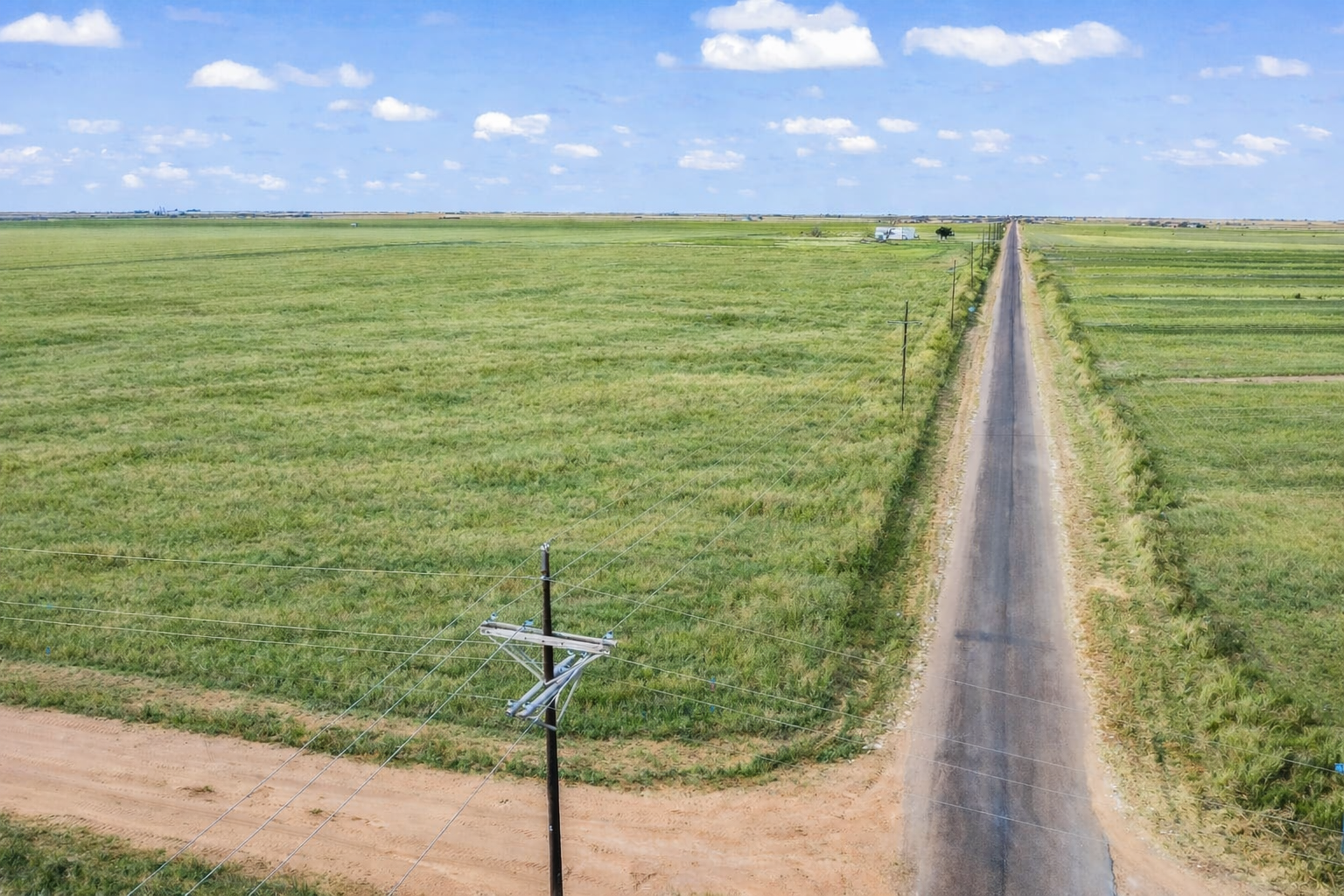
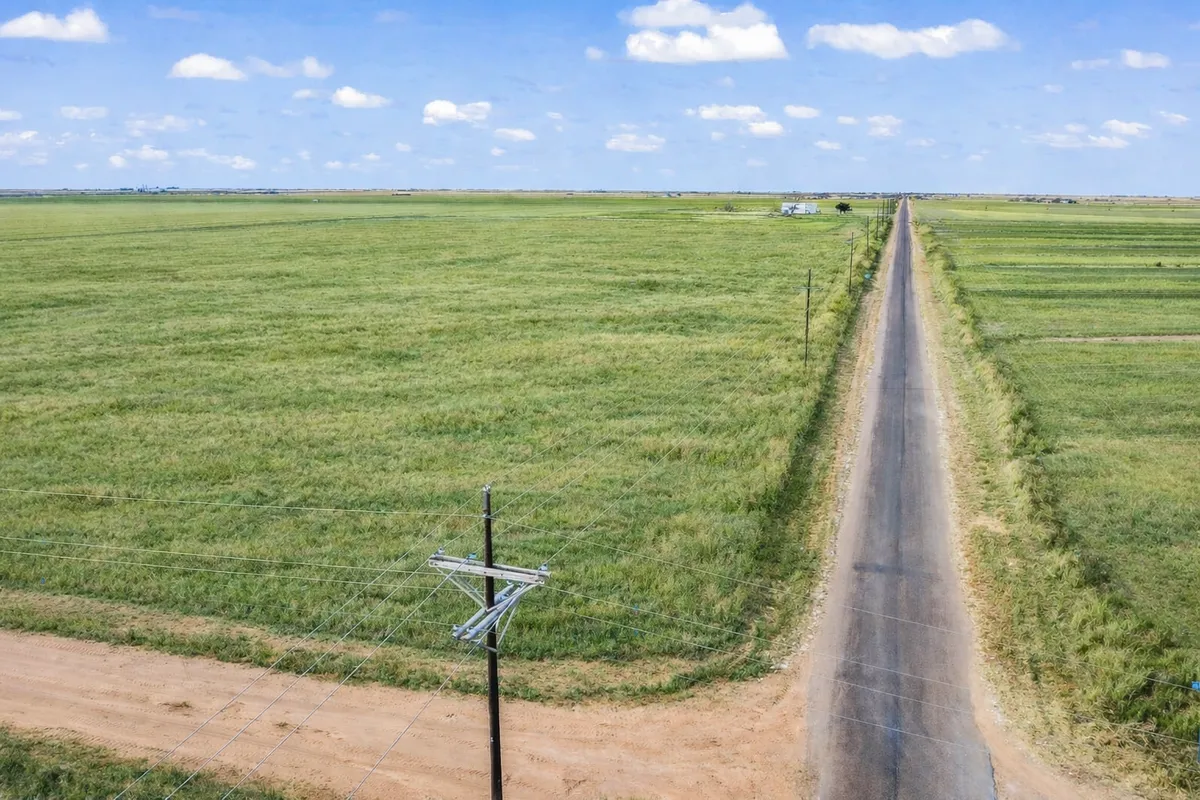
Most first-time land buyers worry about water, power and price. Fewer think about the road, and the road is where some of the worst land stories start: a buyer pays for a tract, then learns the "road" in the listing photos crosses a neighbor's pasture, and the neighbor locks the gate. In Texas, that buyer may have no easy fix.
The good news is that access is one of the easiest things to check before you buy, because the answer lives in documents. This guide explains what counts as legal access, how county roads and easements work, why landlocked land is not a loophole, and a short checklist to run on any rural tract.
This is general information, not legal advice. For a specific tract, read the documents and talk to the title company or a Texas real estate attorney.
Legal access is a document, not a dirt road
There are two kinds of access, and they are not the same thing:
- Legal access is the right to get from a public road to your land. Texas title industry training materials describe it exactly that way: the landowner has the legal right to get to the land from a public road.
- Physical access is whether you can actually drive there today: a road, a gate, a culvert over the ditch, a track that holds up after rain.
You want both. Legal access without physical access means you may have to build a driveway or improve a road. Physical access without legal access is worse: you are crossing someone else's land on their good will, and good will can end when the land sells.
The myth to forget
Many people believe a Texas neighbor has to let a landlocked owner cross. That is not true. Both the Texas A&M AgriLife Extension and the Texas State Law Library say there is no automatic right to cross a neighbor's land. A landlocked owner generally needs an easement, either from the neighbor or from a court.
Three ways land has legal access
When you look at a tract, its access will usually come from one of these:
| Type of access | What to verify | Main risk |
|---|---|---|
| Frontage on a public road The tract touches a county road, farm-to-market road or highway. | The road is a public road (ask the county or TxDOT), and the survey shows the tract touching it. | Low, if confirmed. A road can be public without being well kept. |
| Recorded access easement A written right to cross other land to a public road. | The easement is recorded in the county deed records, describes the route and width, and covers your tract. | Medium. Read the terms: who may use it, for what, and who pays to maintain it. |
| Strip of land you own A narrow strip, part of your tract, that runs out to the road. | The survey shows the strip as part of your land and it reaches a public road. | Low to medium. Narrow strips can limit driveway width and utility routes. |
The thing to avoid is the fourth situation: none of the above, only a handshake, a habit or a gate the seller says "everyone uses." AgriLife warns that relying on a handshake agreement or crossing someone else's land without permission can leave an owner in a precarious legal position.
County roads, private roads and what "maintained" means
A road on a map can be a county road, a state road, a private road owned by the people who live on it, or simply a track across a field. Each one means something different for you.
- County roads. The county keeps records of which roads it maintains. Call the county road department or the commissioner's office for that precinct and ask by road name or number.
- State roads. Farm-to-market (FM) roads, state highways and US highways are part of the state highway system, run by TxDOT.
- Private roads. A private road may be shared by several owners under a recorded easement or road agreement. Ask who grades it, who fixes washouts and how the cost is split.
"Maintained" matters for daily life. It decides who grades a caliche road, who clears a culvert, and whether a low spot floods every spring. If you can, drive the road after a rain before you buy. Ask neighbors how it holds up. A tract you can reach in July but not in a wet March is a real problem if you plan to live there.
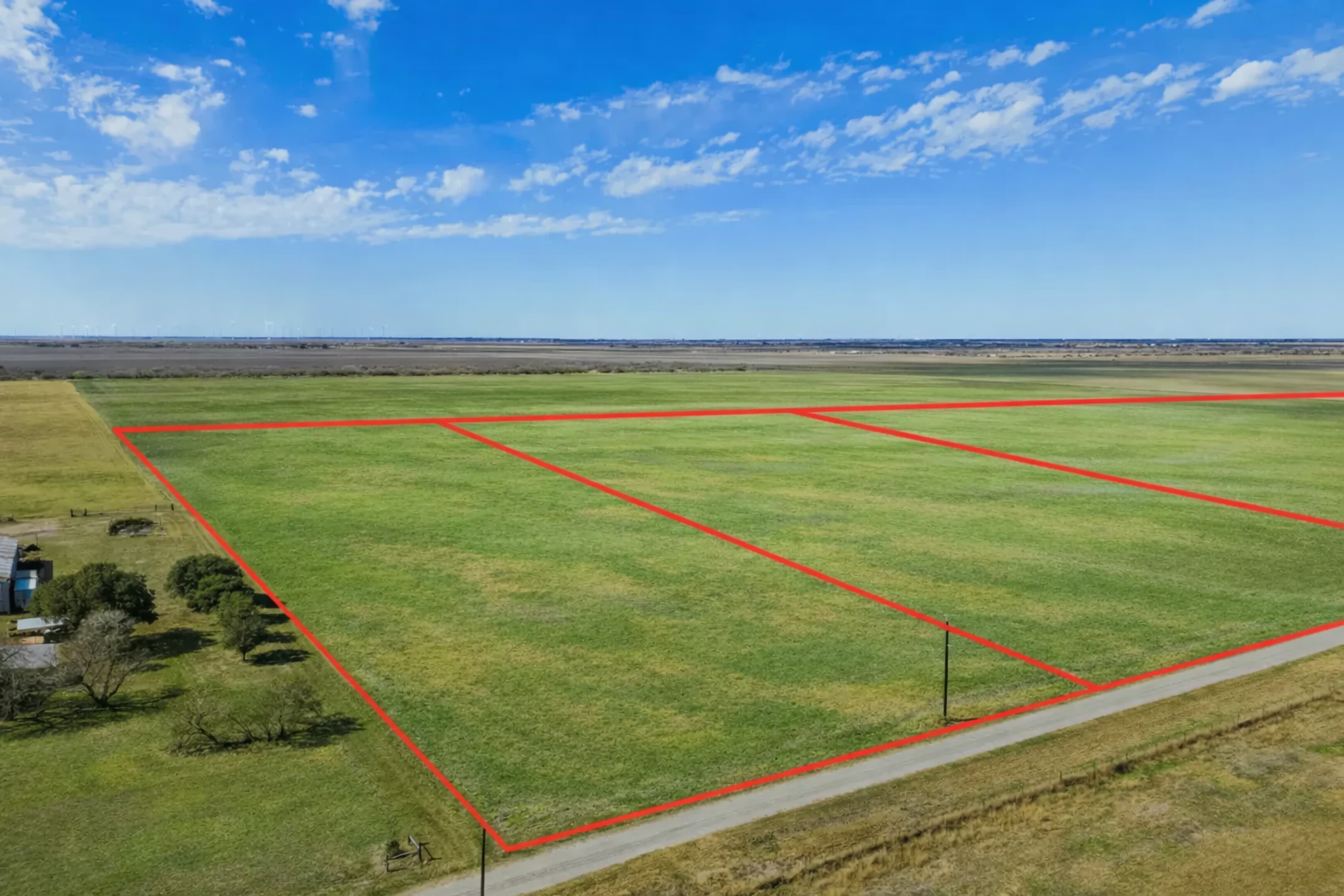
Want to see the road for yourself?
Our local team will meet you on the land so you can drive in, walk the tract and ask questions in person.
Book a land tour Call or text 806-606-0824What an easement document should say
The Texas State Law Library defines an easement as a legal right to use someone else's private property for a specific purpose. Common types include utility easements, public easements such as streets, and private easements, like a right to use a neighbor's private road. If a tract's access depends on an easement, get a copy of the recorded document and check that it covers:
- Location: where the route runs, ideally tied to a survey or legal description.
- Width: wide enough for the vehicles you plan to bring, such as a truck and trailer, a moving truck or a manufactured home delivery.
- Who may use it: your tract by name or description, plus future owners. AgriLife notes an easement that is not recorded in the deed records is very difficult to enforce against future owners of the land it crosses.
- Purpose: access only, or access plus utilities. A utility easement and an access easement are different rights.
- Maintenance: who keeps it up. If the document is silent, the State Law Library explains that the person holding the easement is generally responsible for maintaining it.
- Exclusive or shared: whether others can use the same route.
Written easements are often recorded with the county clerk, and many Texas county clerks offer an online search of property records.
Landlocked land: why it is not a loophole
Landlocked land sometimes shows up at a low price, and the pitch is that you can "work out access later." AgriLife lists the problems: you cannot legally reach the land, title companies are usually unwilling to insure it, buyers who need a loan cannot get one because loans require title insurance, and you usually cannot use it as collateral.
Texas law does offer paths to access, but none are quick or certain:
| Path | What it takes |
|---|---|
| Express easement | A neighbor agrees in writing, signs it, and it is recorded. The simplest path, but the neighbor may ask for payment or say no. |
| Easement by necessity | A lawsuit proving the tracts were once owned together, that access is a true necessity, and that the need existed when the tracts were split. |
| Prescriptive easement | A lawsuit proving at least 10 years of open, continuous, exclusive and adverse use. Courts disfavor these. |
| Easement by estoppel | A lawsuit proving you relied on a promise of access, such as building after a neighbor said you could cross. |
| Statutory road | A sworn application to the commissioners court under Transportation Code §251.053. The court may create a public road but is not required to. |
Source: Texas A&M AgriLife Extension, "Landlocked Property Law in Texas." The takeaway is simple: do not buy land hoping to solve access later. Solve it before you sign.
Your access checklist before closing
- Read the title commitment. Schedule B lists exceptions the policy will not cover, including easements. Schedule C lists requirements to be met before the policy is issued, and the Texas commitment form includes satisfactory evidence that there is a legal right of access to and from the land (source: Texas Land Title Association). A commitment expires 90 days from its effective date, so make sure yours is current.
- Get the survey. It should show where the tract meets the road and where any easement runs. Compare it to what you see on the ground.
- Pull the recorded documents. Ask for copies of every easement, plat and road agreement listed in the commitment, and read them, not just the summary.
- Call the county. Confirm the road name, that it is public, and who maintains it.
- Plan the driveway. On a county road, ask the county about any driveway or culvert permit. On a state highway or FM road, TxDOT says to contact the local district office and file Form 1058 before building or changing a driveway in the right of way, and not to start work until the permit is fully executed.
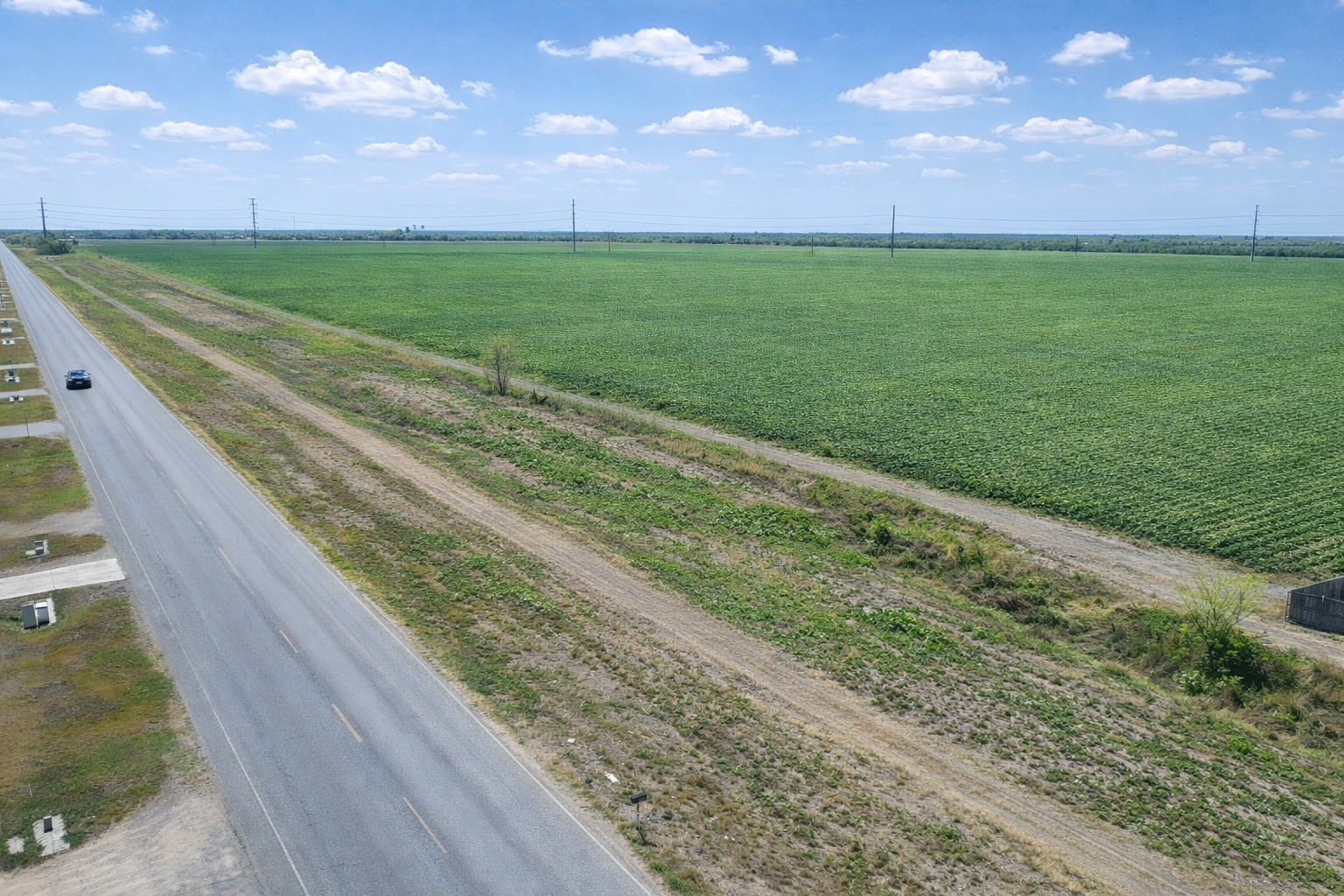
- Visit in person. Walk the frontage, look at the ditch and culvert, and if you can, see it after rain.
- Ask the seller directly. "Does this tract touch a public road? If not, where is the recorded easement?" A good seller answers in writing. Our list of questions to ask an owner-finance land seller has more.
How Victory handles access
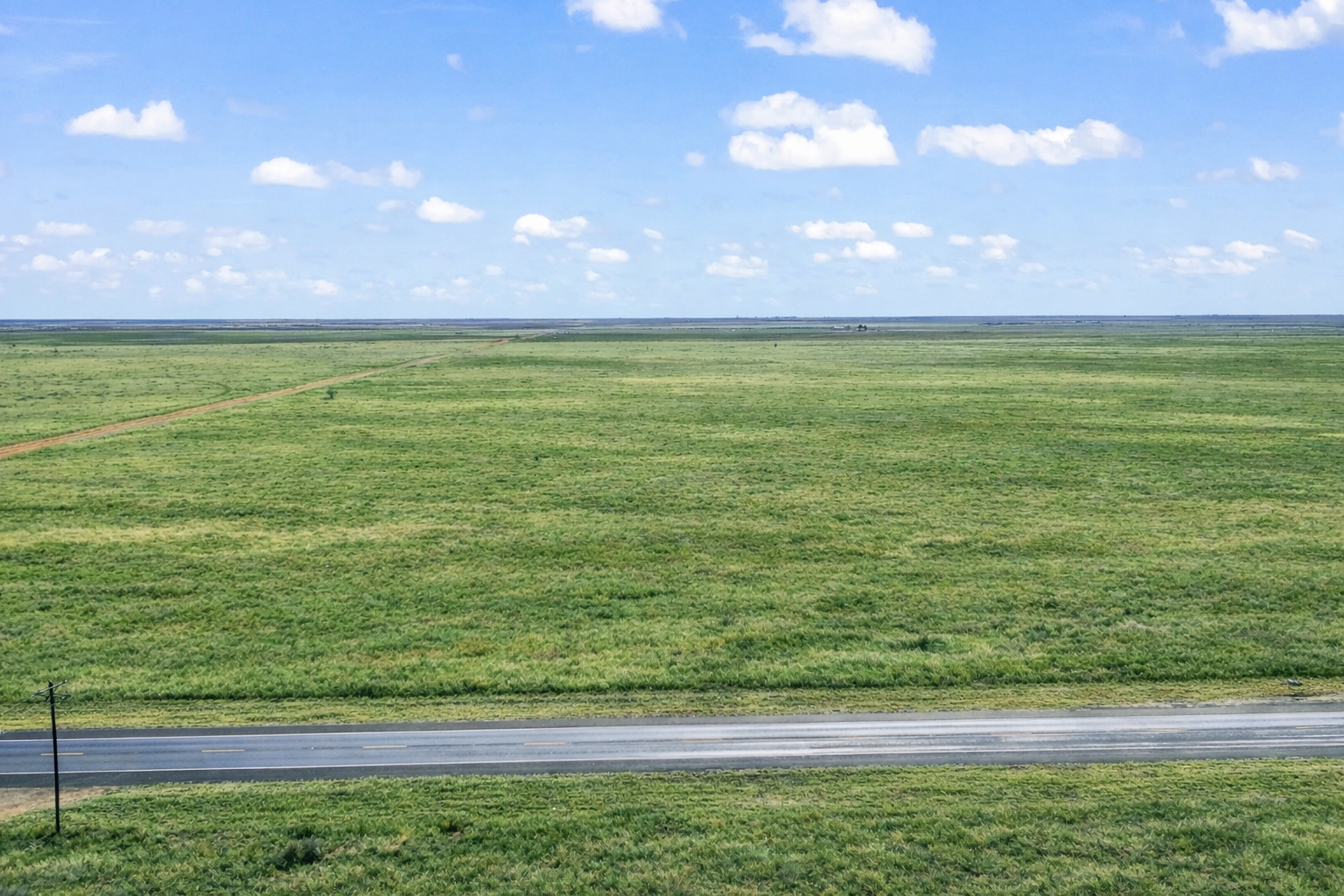
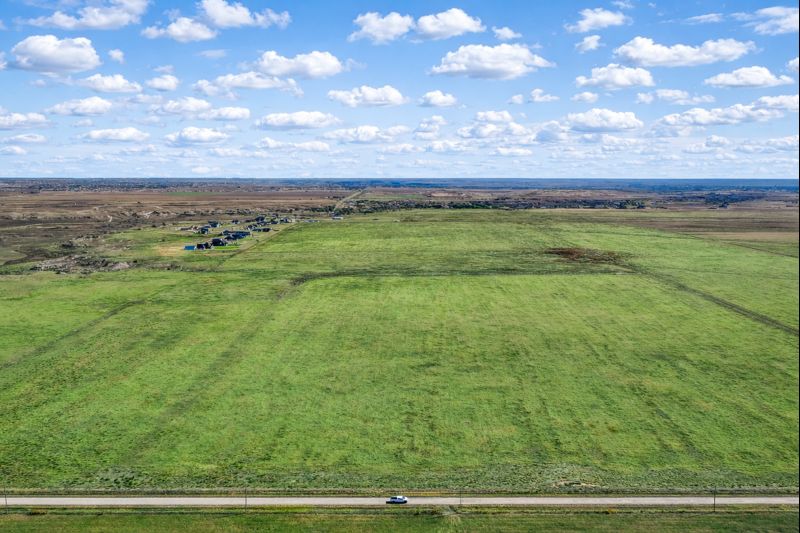
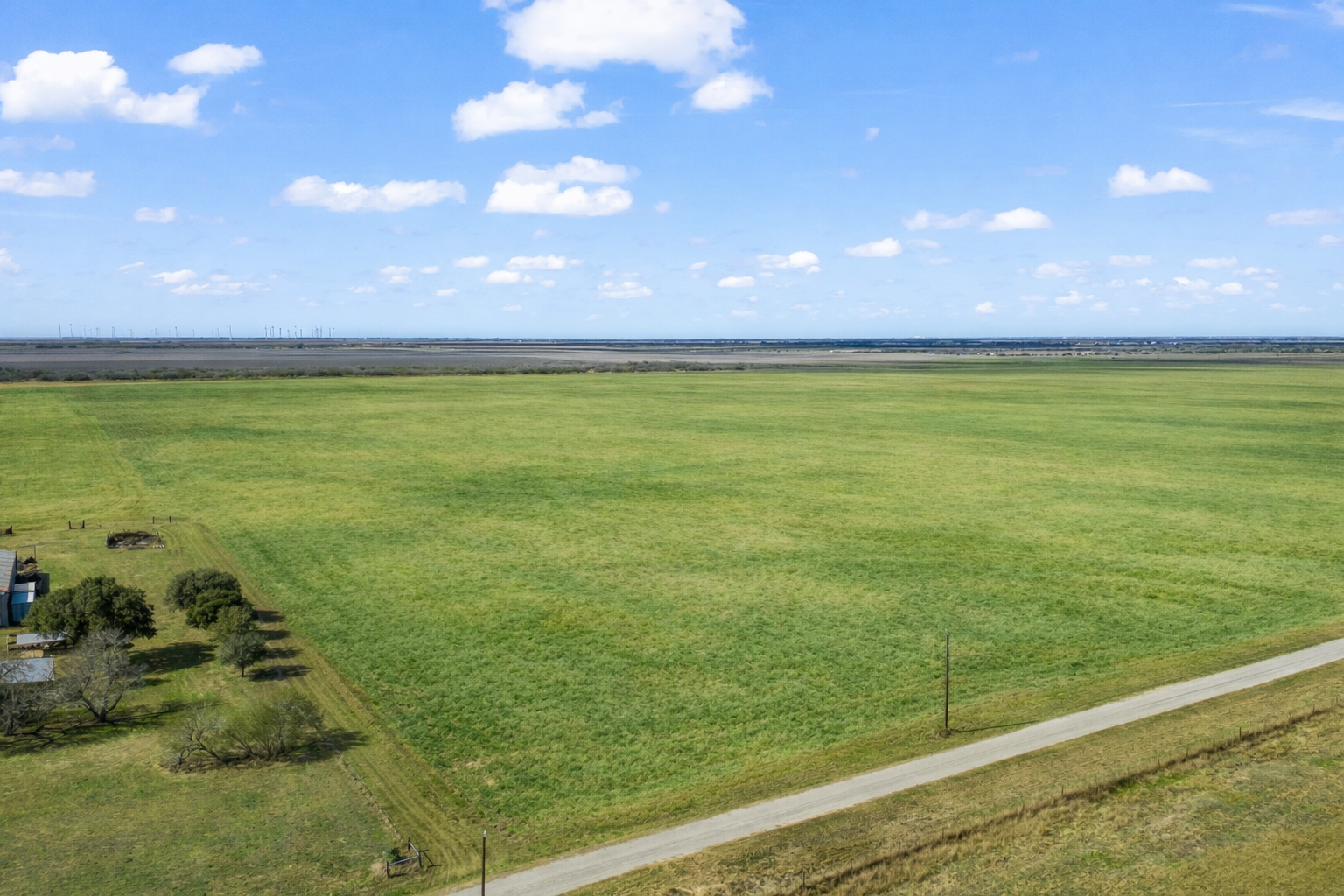
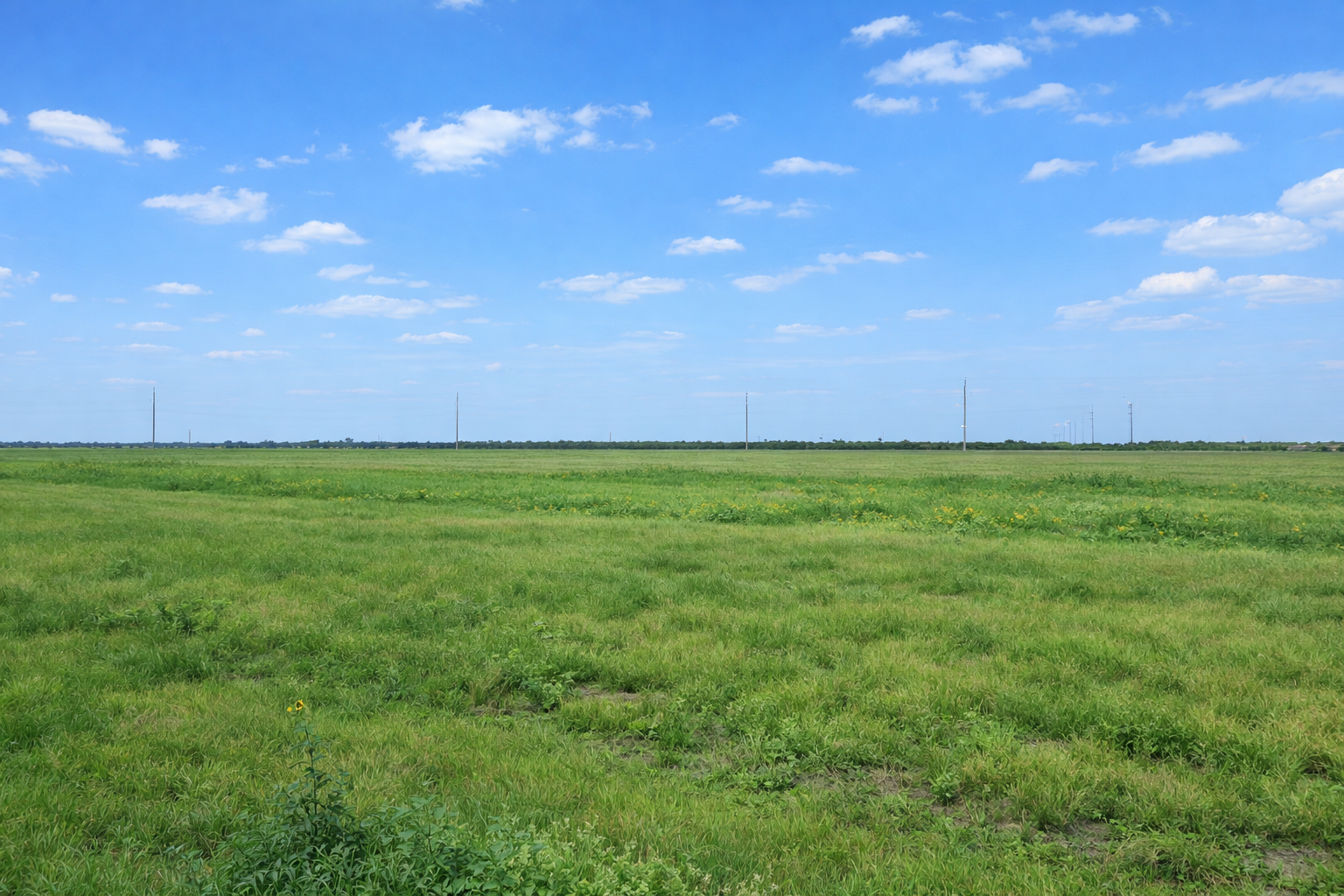
Every Victory buyer sees the land in person before buying, so you can drive the road and walk the frontage yourself. Each of our tract pages has an Access line naming the road the subdivision sits on, such as Nazareth St (E CR 5300) at Reid Farms, US-380 at Theresa Farms and Arnot Rd at Canyon Vista Estates, and a Survey line noting a survey is provided by us. Tract pages also list power as available on the lots. Our land is raw land, so the buyer plans the well and septic; see our guides to well and septic on raw land and septic permits.
Ask us for the survey and the recorded documents on the exact tract you like, and run the checklist above anyway. That is how a careful buyer should treat any land purchase.
Buying with owner financing
Owning your own land is easier than you think. Victory offers owner financing with simple approval and no minimum credit score, and you can also buy with cash or a loan. At closing, the deed is recorded in your name with the county, and Victory holds the lien until the land is paid off. Victory Land Sales is veteran-owned.
Learn more in our owner financing guide, on our owner financing process page, in our guide to warranty deeds vs contracts for deed, or in our step-by-step guide on how to buy land in Texas. Have more questions? Read our FAQs or contact us.
See Available Land
Owner-financed land near Lubbock, Amarillo, Corpus Christi and the Rio Grande Valley. Prices and availability change, so check each page.
Frequently asked questions
What does legal access to land mean in Texas?
It means you have a legal right to get from a public road to your land. That right usually comes from the land touching a public road, or from a recorded easement that lets you cross other land to reach one. A road you can see on the ground is not proof of that right.
How do I know if a road to rural land is a public road?
Ask the county. The county road department or the commissioner for that precinct can tell you if a road is a county road and who maintains it. For state highways and farm-to-market roads, the local TxDOT office is the source. Do not rely only on a map app or on what someone tells you.
Can I buy landlocked land in Texas?
You can, but it is risky. Texas has no automatic right to cross a neighbor's land. Texas A&M AgriLife notes that title companies are usually unwilling to insure land with no legal access, and lenders require title insurance, so landlocked land is hard to finance and hard to resell.
What is an easement by necessity?
It is an access right a court can recognize when one tract was split from another and the cut-off part had no other way out. The owner has to file suit and prove the two tracts were once owned together, that access is a true necessity and not just convenient, and that the necessity existed when they were split.
Does title insurance mean I can drive to my land?
Not exactly. Texas owner's and loan policies insure against loss from a lack of a legal right of access. Texas title industry training materials point out that legal access is different from physical access, so a policy is not a promise that a drivable road exists. Check both.
Who maintains an easement road?
Read the easement. Maintenance is often spelled out in the written easement. If it is not, the Texas State Law Library explains that the person who holds the easement is generally responsible for maintaining it under Texas common law.
Questions about a tract's road?
Book a tour and we will meet you on the land so you can see the road and frontage in person.
Book a land tour Call or text 806-606-0824Follow Victory Land Sales


New land, buyer tips and stories from the field.
About the author
Bo “Knows Dirt” Birkeland, VP of Victory Land Sales
Bo Birkeland is all about land (it's in his name!), real estate, and helping people find their perfect spot to call their own. As the sales leader of Victory Land Sales, he connects buyers with great properties, whether for building, investing, or just having a place to escape. He knows firsthand what it means to own land and loves helping others find their own slice of it.