
The short answer
Buying land in Texas comes with a small set of words you will see again and again: deed, title, lien, survey, easement, plat and closing. You do not need to be a lawyer to buy land, but you should know what each of these means before you sign anything. This glossary explains each term in plain English, with links to the Texas law or state agency behind it.
Use this page as a reference while you read a listing, a purchase agreement or a closing packet. If a word on your paperwork is not here, ask the seller or a Texas real estate attorney to explain it before you sign. A good seller will be glad you asked.
Want to see the paperwork and the land in person?
Pick a tour time near Lubbock, Amarillo, Corpus Christi or the Rio Grande Valley and we will walk you through it.
See the land and pick a tour time Call or text 806-606-0824Ownership and paperwork terms
These are the words that decide who owns the land, when ownership changes hands and what claims can be made against it.
Deed
A deed is the signed document that transfers ownership of land from the seller (the grantor) to the buyer (the grantee). It describes the land and is recorded with the county clerk in the county where the land sits. Texas Property Code Chapter 5 covers how land is conveyed in Texas.
Warranty deed (general warranty deed)
A general warranty deed transfers the land and includes the seller's promise to defend the title against claims from anyone. Texas Property Code Section 5.022 sets out a basic general warranty form. It is generally considered the strongest type of deed for a buyer.
Special warranty deed
A special warranty deed also transfers the land, but the seller only promises to defend the title against problems that came up while the seller owned it, not problems from earlier owners. That is one reason title insurance and a title search matter.
Quitclaim deed
A quitclaim deed passes along only whatever interest the person signing it happens to have, if any, with no promise that they own anything at all. The Texas State Law Library notes that Texas real estate attorneys often caution against quitclaim deeds because they can cause problems in the chain of title. Be careful if a seller offers one for land you are paying full price for.
Contract for deed (executory contract)
A contract for deed is a way of buying land over time where the seller keeps legal title until the buyer finishes paying. The buyer gets the deed only at the end. Because buyers in these deals do not hold title along the way, Texas added buyer protections in Subchapter D of Texas Property Code Chapter 5 for contracts on land used or to be used as the buyer's home, including required disclosures, an annual accounting statement and notice before the seller can enforce a default. Read our guide to what Texas law requires in owner-financed land contracts.
Promissory note
A promissory note is the buyer's written promise to repay a loan on the terms in the note. When a seller finances the sale, the note spells out what the buyer owes and how it is paid. Read it closely before you sign.
Deed of trust
A deed of trust secures the promissory note with the land. It names a trustee who can sell the land through foreclosure if the borrower defaults, following the rules in Texas Property Code Chapter 51. The buyer still owns the land and holds the deed while the deed of trust is in place.
Lien
A lien is a legal claim against land that secures a debt. When a seller or lender finances land, they usually hold a lien until the loan is paid off, and then the lien is released. Liens can also come from unpaid property taxes, contractors or court judgments, which is why a title search checks for them before closing.
Title
Title means legal ownership of the land. When people say a property has clear title, they mean the records show who owns it and there are no unexpected liens, claims or gaps in the chain of past owners.
Title company and title insurance
A title company searches the county records for title problems and can issue title insurance. According to the Texas Department of Insurance, title insurance insures against financial loss caused by defects in title. The title commitment comes before closing and lists issues to be resolved, and the title policy is issued after closing.
Closing
Closing is the day the sale is completed: documents are signed, funds change hands and the deed is delivered and sent for recording. Ask the seller who handles closing and what documents you will sign.
Recording
Recording means filing the deed and other documents with the county clerk so they become part of the public record. Under Texas Property Code Chapter 13, an unrecorded conveyance can be void as to a later buyer or creditor who had no notice of it, so recording protects the buyer. You can usually look up recorded documents through the county clerk.
The one question to ask every seller
“When do I get the deed, and when is it recorded in my name?” With a contract for deed, the answer is usually after the last payment. With Victory Land Sales, the answer is at closing: you get a deed, it is recorded with the county, and Victory holds the lien until the land is paid off.
Land and location terms
These words describe the land itself: where the lines are, who else can use it and what rules apply to it.
Survey
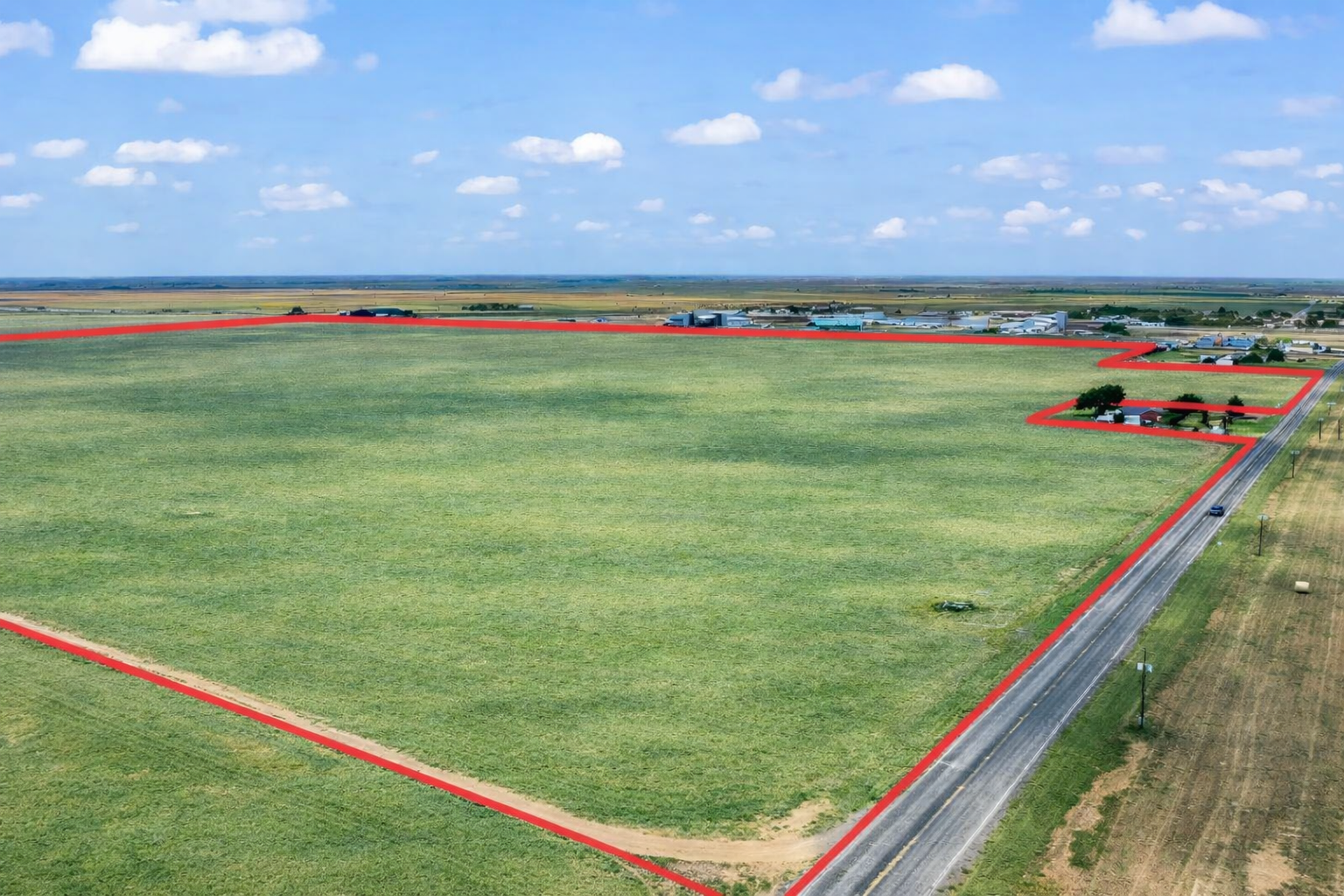
A survey is a measured drawing of the tract made by a licensed land surveyor. It shows the boundary lines, the size of the tract and features such as roads, fences and easements. Texas surveyors are licensed by the Texas Board of Professional Engineers and Land Surveyors. Ask the seller whether a survey is provided and get a copy before you buy.
Plat
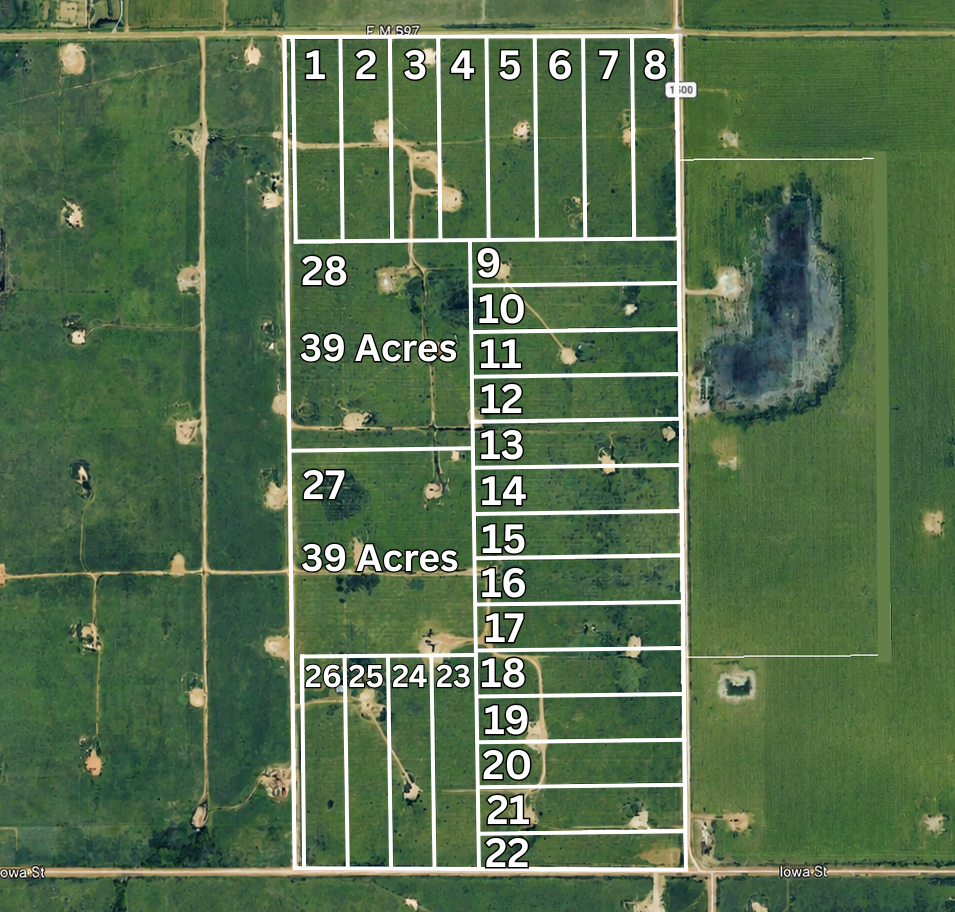
A plat is a map of a subdivision that shows how a larger piece of land is divided into lots, along with roads and easements. In Texas, Texas Local Government Code Chapter 232 covers when a landowner dividing land outside city limits must have a plat approved and recorded with the county.
Metes and bounds
Metes and bounds is a way of describing land by distances and directions from a starting point, walking the boundary all the way around. You will often see it in the legal description of a deed or survey.
Legal description
The legal description is the exact written description of the land in the deed, such as a lot and block in a recorded plat or a metes and bounds description. Make sure it matches the tract you toured and the survey.
Easement
An easement is a right to use part of someone else's land for a specific purpose, such as a road, a power line or a pipeline. The Texas State Law Library has a guide to how easements work in Texas. Easements usually stay with the land when it sells, so check the deed, plat and survey for any that cross your tract.
Access
Access means your legal right to get from a public road to your land. A tract that fronts a county-maintained or state road has direct access. If you would need to cross a neighbor's land, you need a recorded easement. Our guide to road access and easements on rural Texas land covers how to check.
Mineral rights
In Texas, the minerals under the land can be owned separately from the surface. Earlier owners may have kept some or all of the minerals when they sold. Ask the seller what minerals, if any, come with the tract, and look for mineral reservations in the deed and title commitment.
Deed restrictions
Deed restrictions are recorded rules that limit how land in a subdivision can be used, such as no junk yards or no commercial shooting ranges. Texas Property Code Chapter 202 covers how these restrictive covenants are construed and enforced. Rural land with no HOA can still carry a short list of deed restrictions, so read them for the exact tract. See restricted vs. no-restrictions land in Texas.
Ag exemption (agricultural valuation)
An ag exemption is a common name for a special property tax appraisal on land used for agriculture, based on what the land can produce rather than its market value. The Texas Comptroller explains the rules. Learn more in our guide to the ag exemption on 10 acres.
Flood zone
A flood zone is an area mapped by FEMA by its flood risk. You can look up any address on the FEMA Flood Map Service Center. A tract in a high-risk zone can affect where you build and whether flood insurance is required on a home loan.
ETJ (extraterritorial jurisdiction)
The ETJ is the unincorporated area just outside a city's limits where the city can apply some rules, such as subdivision platting. Texas Local Government Code Chapter 42 governs ETJs. Land outside both city limits and any ETJ is generally under county and state rules rather than city rules, plus any deed restrictions.
Septic (OSSF)
Rural land without city sewer needs an on-site sewage facility, usually a septic system, and a permit before it is installed. See how septic permits work on rural Texas land.
Have a term on your paperwork you want explained?
Call or text us, or pick a tour time and we will go over the documents with you on the land.
See the land and pick a tour time Call or text 806-606-0824Owner-financing terms
These are the general words you will hear when a seller finances the land instead of a bank. Every seller sets its own terms, so get them in writing.
Owner financing
Owner financing means the seller lends you the money to buy the land, and you pay the seller over time instead of a bank. You can also pay cash or use your own loan. See how owner financing works on land in Texas.
Seller carries the note
When the seller carries the note, the seller holds the promissory note and the lien. You make payments to the seller, and the lien is released when the land is paid off.
Simple approval
Simple approval means the approval process is quick and easy to follow. At Victory Land Sales, approval is simple: we check credit and verify income.
No minimum credit score
No minimum credit score means there is no set score you must reach to be considered. Victory Land Sales has no minimum credit score. We still check credit and verify income.
How Victory Land Sales handles it
Here is how these terms work when you buy from Victory Land Sales:
- You get a deed at closing. Your deed is recorded with the county clerk in the county where your land sits, and Victory holds the lien until the land is paid off.
- Every tract page lists the details. Each property page shows the road the tract is on, the county where the deed is recorded, the school district and the deed restriction line for that subdivision.
- Ask us for the survey. Our tract pages list a survey provided by us. Call or text 806-606-0824 to get a copy for the tract you like.
- Our in-house team handles closing and makes sure your deed is recorded with the county and transferred to you.
- Owner financing is available with simple approval and no minimum credit score, or you can pay cash or bring your own loan. Read our owner financing process for the steps.
Victory Land Sales is veteran-owned, and we would rather you ask ten questions before you buy than have one surprise after.
What to do next
Every Victory Land Sales buyer sees the land in person before buying. On a tour you can stand on the tract, see the road and the boundary markers, and ask about the deed, the survey and the restrictions with the paperwork in front of you. It is the best way to make every word in this glossary mean something real.
Ready to see the land?
Pick a tour time near Lubbock, Amarillo, Corpus Christi or the Rio Grande Valley and see the land in person.
See the land and pick a tour time Call or text 806-606-0824See Available Land
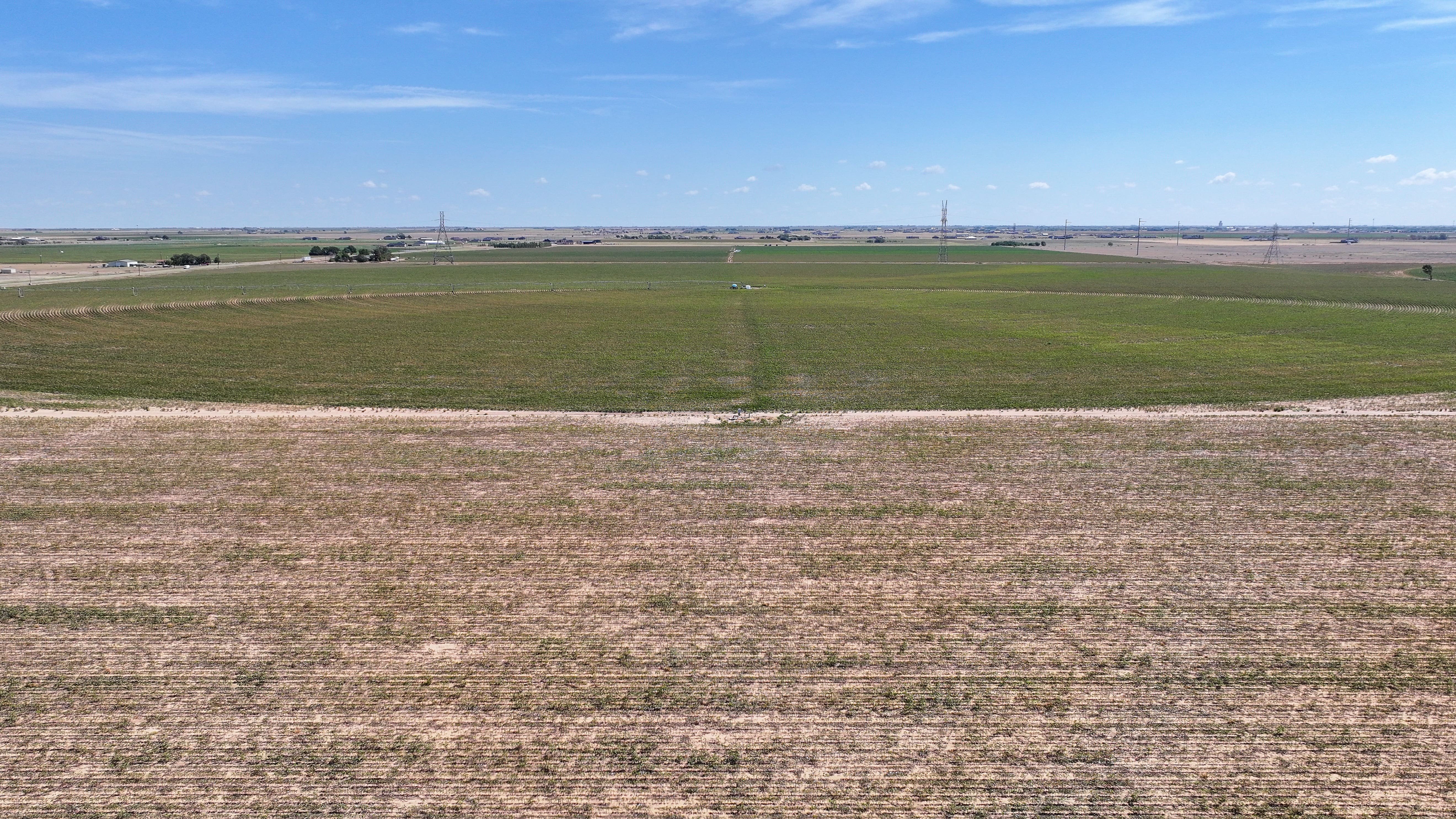
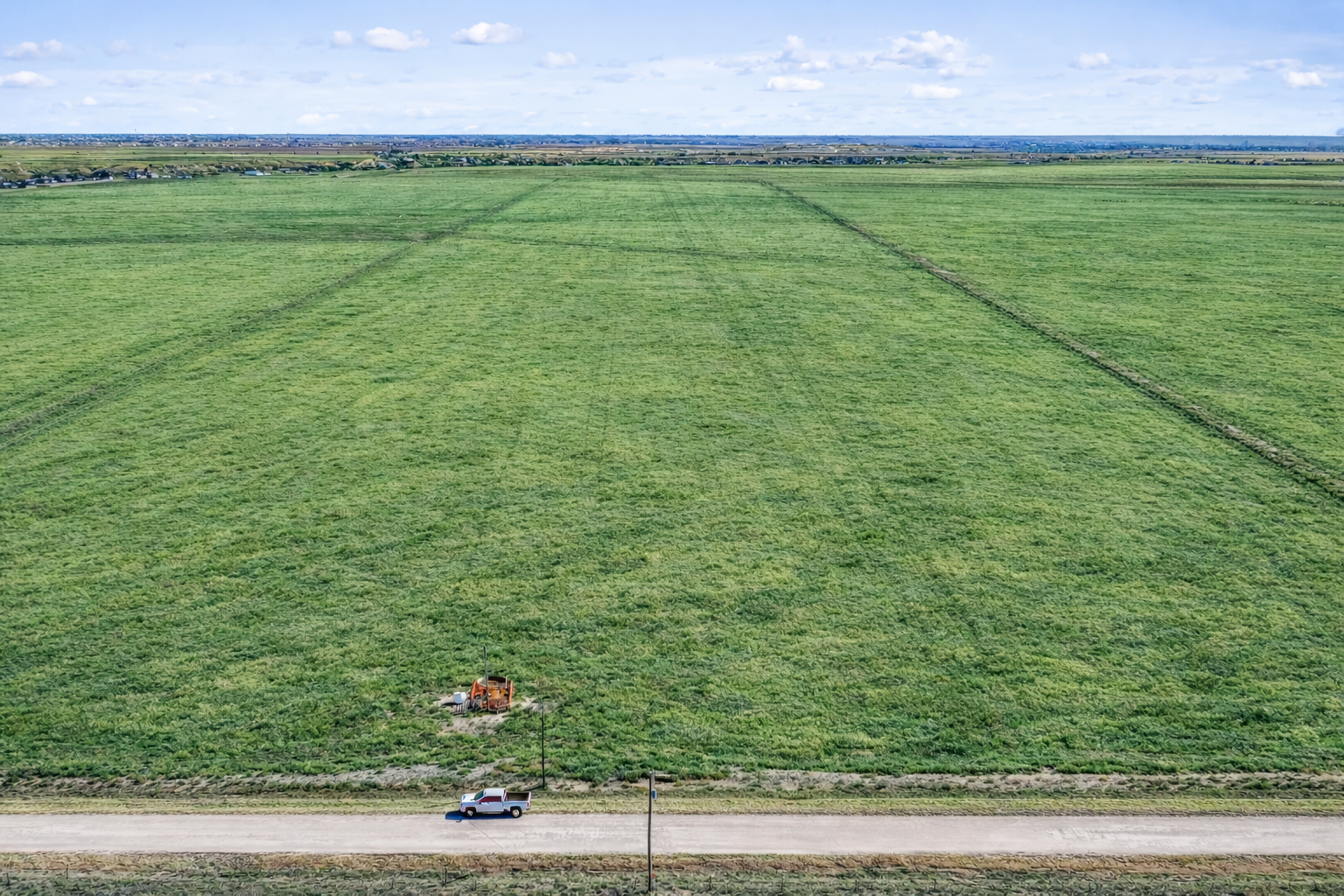
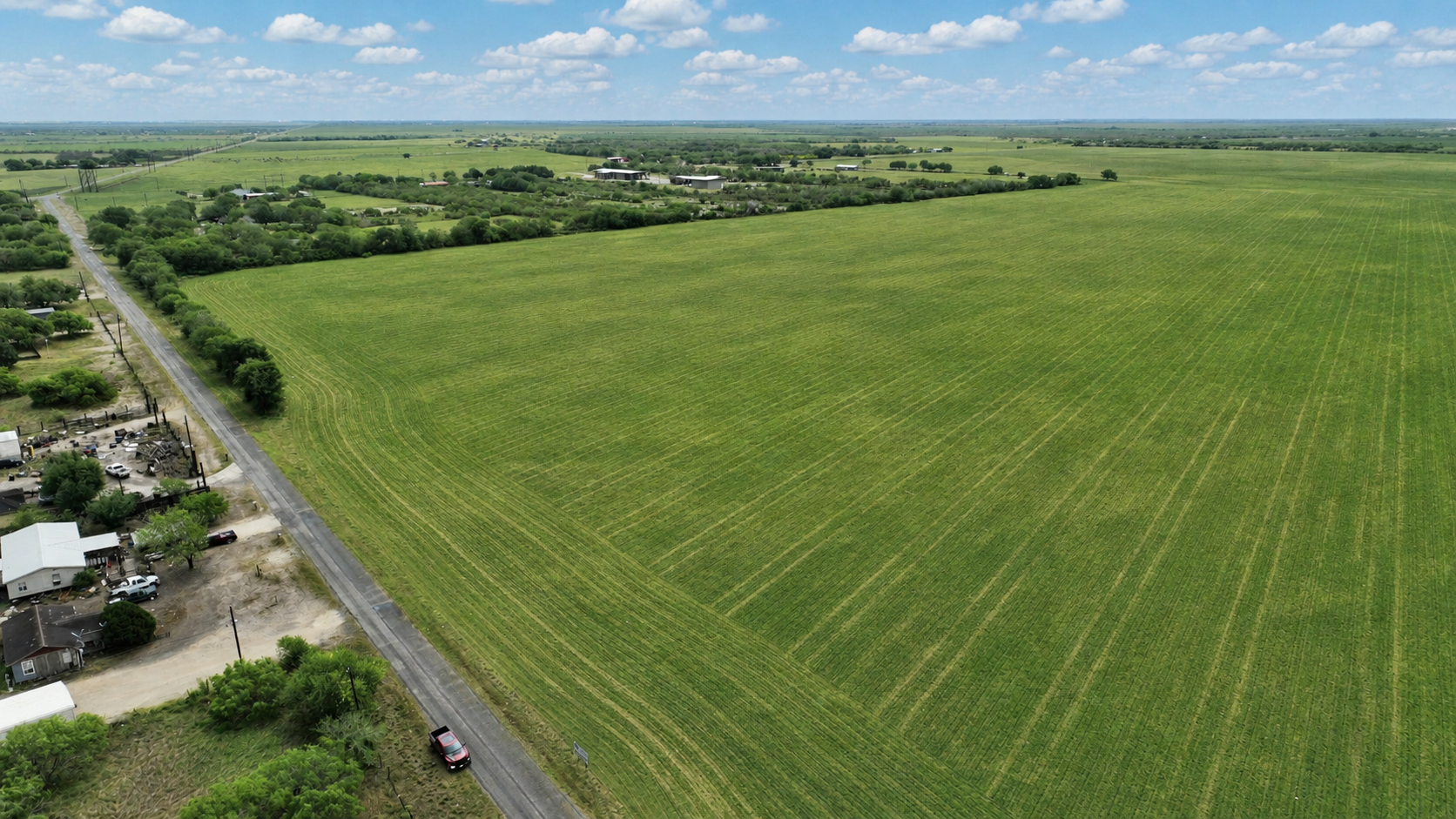
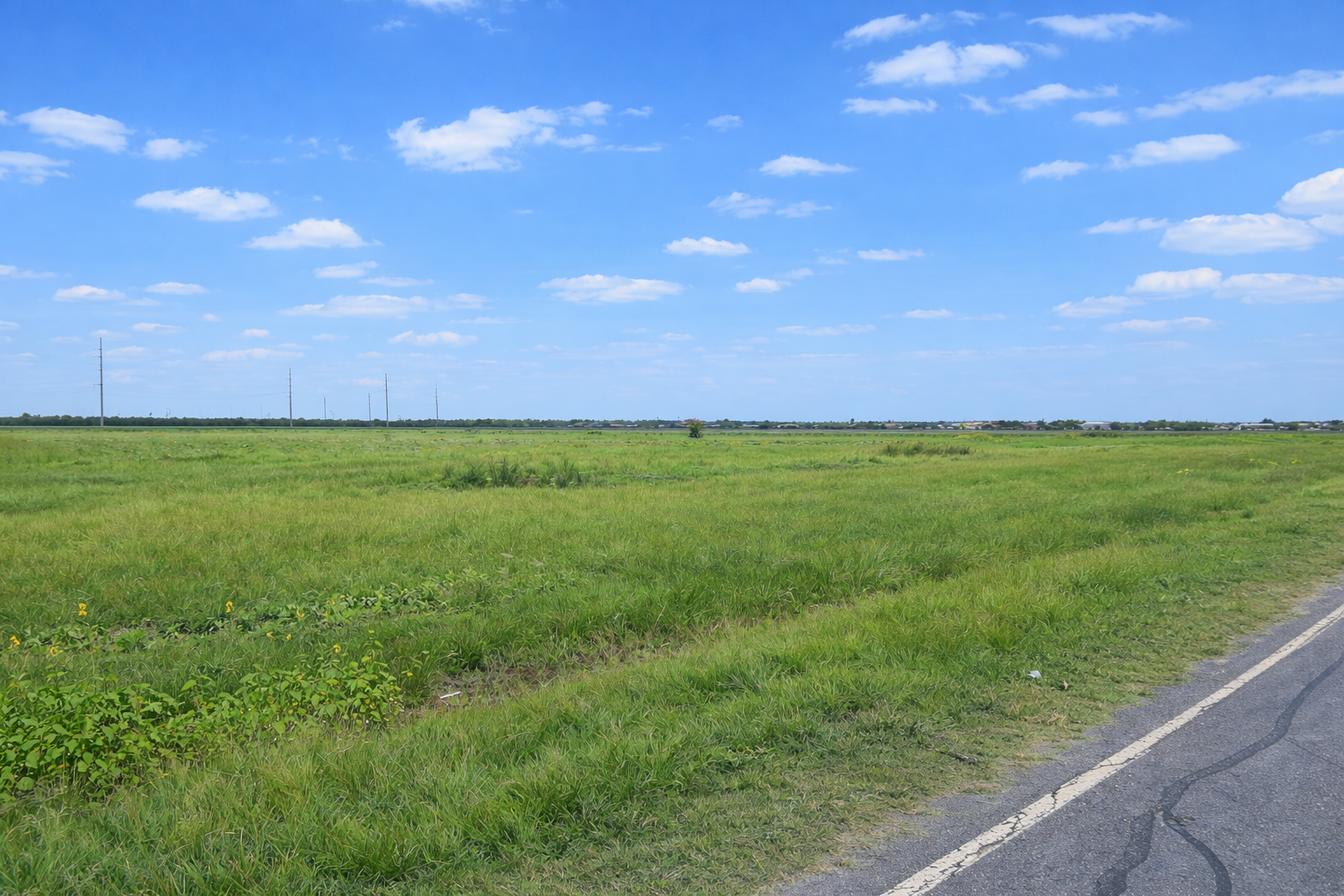
Owner-financed land near Lubbock, Amarillo, Corpus Christi and the Rio Grande Valley, with your deed recorded at closing. Prices and availability change, so check each page.
Frequently asked questions
What is the difference between a contract for deed and a warranty deed?
With a warranty deed, legal title passes to the buyer at closing and the deed is recorded in the buyer's name. With a contract for deed, the seller keeps legal title until the buyer finishes paying, and the deed is delivered at the end. In Texas, contracts for deed on land used as the buyer's home are covered by Subchapter D of Property Code Chapter 5.
What is a lien on land?
A lien is a legal claim against the land that secures a debt. If you finance land, the lender or seller usually holds a lien until the loan is paid off. Liens can also come from unpaid taxes or judgments, which is why a title search looks for them before closing.
Do I need a survey to buy land in Texas?
A survey is not required in every sale, but it is one of the best ways to know where your boundary lines are, how much land you are getting and whether any easements or encroachments touch the tract. Texas surveys are done by licensed land surveyors. Ask the seller whether a survey is provided and get a copy before you buy.
What does a title company do?
A title company searches the public records for problems with the title, such as liens or ownership gaps, and can issue title insurance. According to the Texas Department of Insurance, the title commitment comes before closing and lists issues that must be handled, and the title policy is issued after closing.
What is an easement?
An easement is a right to use part of someone else's land for a specific purpose, such as a road, a utility line or a pipeline. Easements usually stay with the land when it sells, so check the deed, the plat and the survey for any that cross the tract you like.
Do I get the deed when I buy land with owner financing?
It depends on the seller, so always ask. With Victory Land Sales, yes: you get a deed at closing, it is recorded with the county, and Victory holds the lien until the land is paid off.
Questions before you buy?
Pick a tour time and we will meet you on the land and go over the deed, the survey and your options in person.
See the land and pick a tour time Call or text 806-606-0824Follow Victory Land Sales


New land, buyer tips and stories from the field.
About the author
Bo “Knows Dirt” Birkeland, VP of Victory Land Sales
Bo Birkeland is all about land (it's in his name!), real estate, and helping people find their perfect spot to call their own. As the sales leader of Victory Land Sales, he connects buyers with great properties, whether for building, investing, or just having a place to escape. He knows firsthand what it means to own land and loves helping others find their own slice of it.