
The short answer
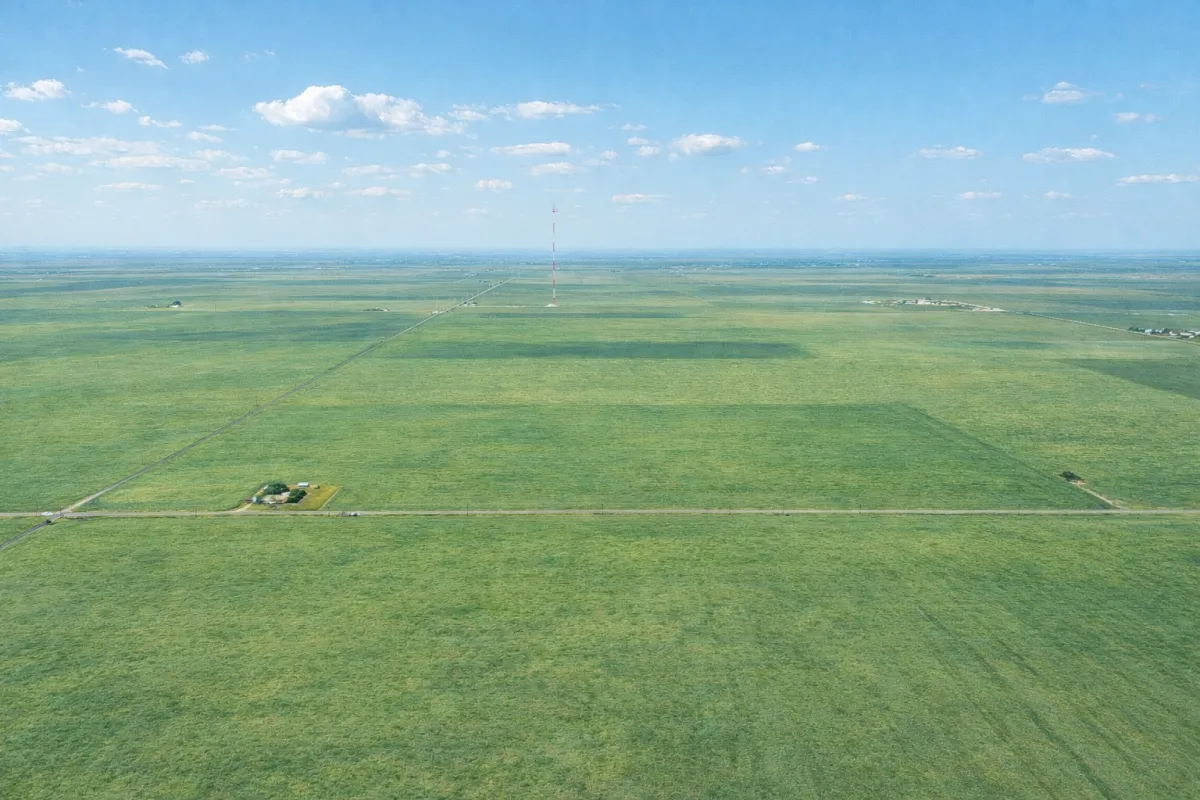
Flood risk belongs to the parcel, not the city name. Before you buy land near Corpus Christi, look up the exact tract on the FEMA Flood Map Service Center, ask the county floodplain office whether building there would need a floodplain development permit, and walk the land in person. We don’t promise that any tract is outside a flood zone, so check the map for the spot where you plan to build.
Why flood zones come up so often near Corpus Christi
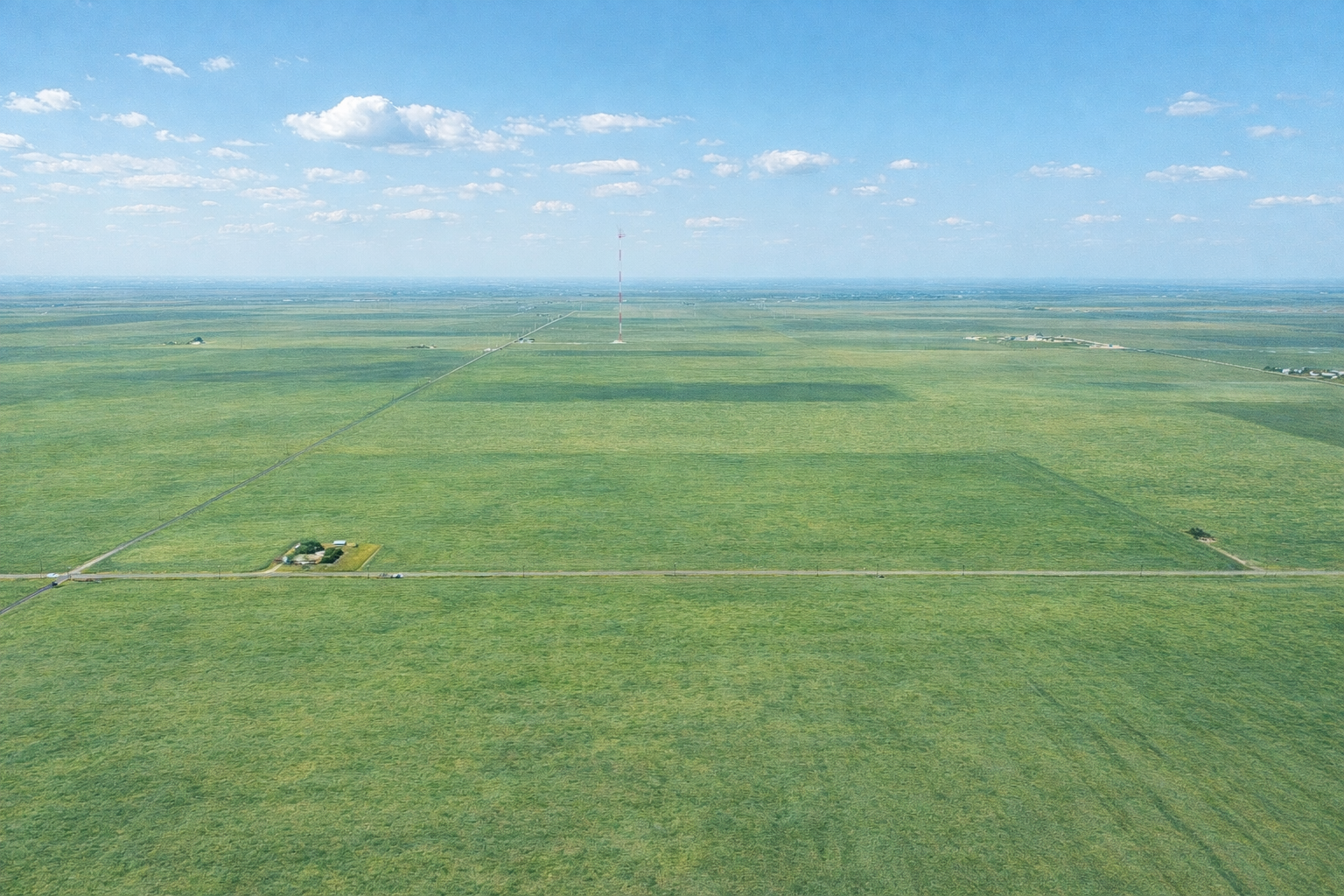
The Coastal Bend is flat, low country that meets the Gulf. Rain from a slow storm has to go somewhere, and on flat ground it can take a while to drain. That’s why buyers who grew up in Corpus, Robstown, Portland or Sinton ask about flood zones before they ask about almost anything else. It’s a smart question, and it has a real answer you can look up yourself.
Here’s the part that surprises people: two tracts on the same county road can sit in different flood zones. Even one 10-acre tract can have a corner that sits lower than the rest. So “Is Corpus Christi in a flood zone?” is the wrong question. The right one is, “Is the spot where I want to put my home in a flood zone, and what would the county need from me to build there?” This guide walks you through how to answer that. For the bigger picture on buying near Corpus, start with our Corpus Christi land guide or our land for sale near Corpus Christi page.
How to look up a tract on FEMA’s flood map
FEMA publishes the official flood maps (called Flood Insurance Rate Maps, or FIRMs) that counties, lenders and insurers use. You can look one up from your phone in a few minutes.
- Get the location. Every one of our property pages lists the parcel ID and GPS coordinates. Copy the coordinates, or use the property’s address if it has one.
- Open the map. Go to the FEMA Flood Map Service Center and type the address or coordinates into the search box.
- Find your spot. Zoom in on the tract and the place you’d likely build. Don’t rely on a screenshot from a listing or a social media post. Maps get updated, so use the current official map.
- Read the zone label. Each shaded area carries a letter, such as A, AE, V, X or D. The map legend tells you what each one means.
- Save it. Download or print the map panel so you can bring it to the county office or your insurance agent.
What the flood zone letters mean
Per FEMA’s flood zone glossary: Zones that start with A or V are Special Flood Hazard Areas, land with a 1% or greater chance of flooding in any given year (the “100-year flood”). V zones also face coastal wave action. Zone B or shaded X is moderate risk, between the 100-year and 500-year flood lines. Zone C or unshaded X is minimal risk. A lower-risk label does not mean no risk: FloodSmart, the National Flood Insurance Program site notes that nearly one-third of flood insurance claims from 2014 to 2024 came from outside high-risk areas.
If any part of your tract is in an A or V zone, that doesn’t end the conversation. It tells you where to look closer. Many buyers simply plan their home site on the higher part of the land. That’s exactly why it pays to see the land in person with the map in hand.
County floodplain permits: Nueces and San Patricio
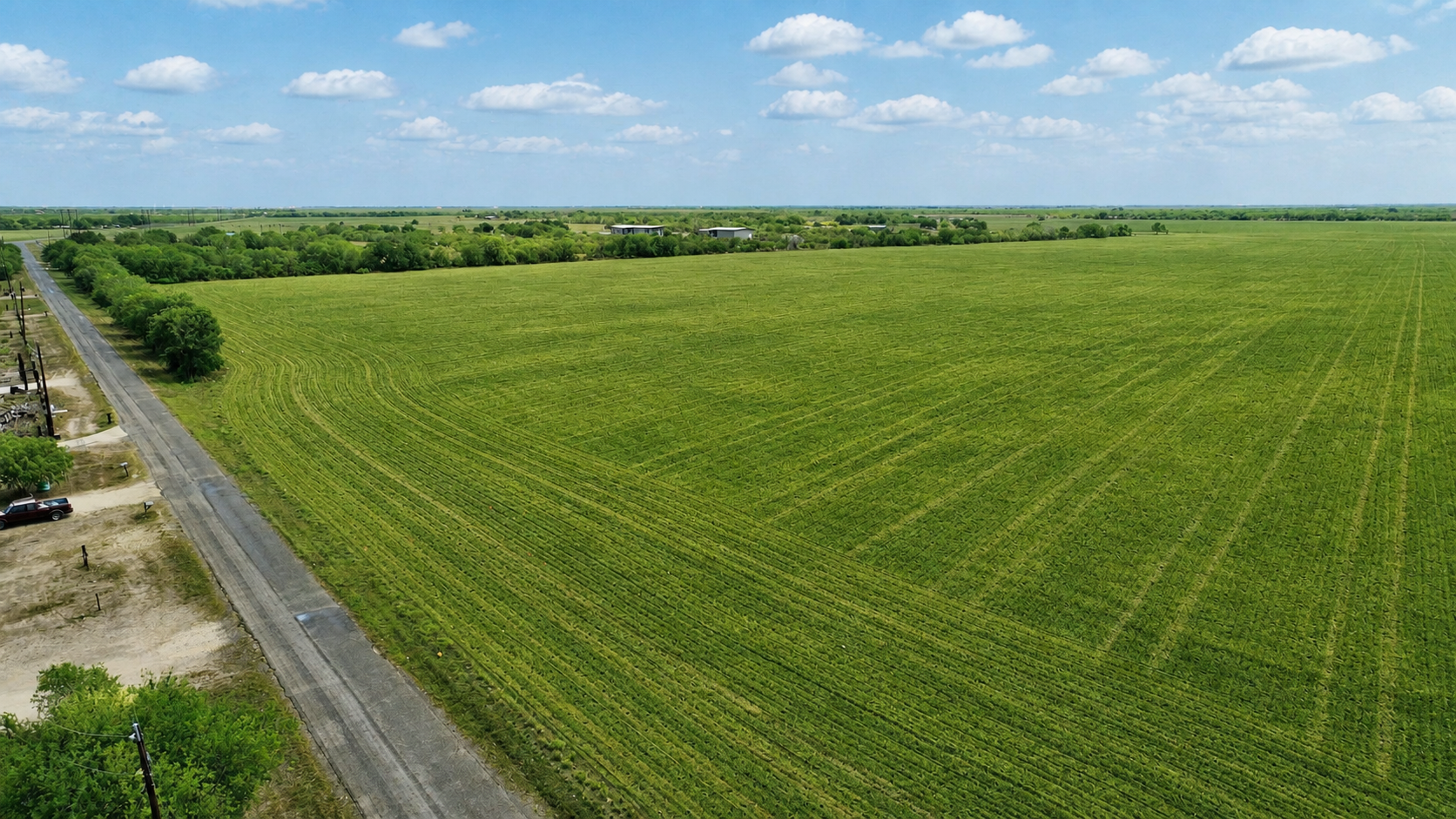
Outside city limits, the county is the local floodplain authority. Both counties around Corpus Christi take part in the National Flood Insurance Program, and both have rules for building in flood hazard areas.
Nueces County
The Nueces County Public Works floodplain development page explains that the county’s Flood Damage Prevention Ordinance applies to areas of Nueces County outside the limits of any town or city. If a proposed development is in an area of flood hazard, no structure can be built and the land can’t be altered until the county issues a Floodplain Development Permit. If you build in a floodplain, you’ll need to provide an elevation certificate, which documents the height of the lowest floor, before that permit is issued. The county also notes special rules for coastal high hazard areas, generally on Mustang Island and Padre Island.
Nueces County Public Works is in the county courthouse at 901 Leopard St. in Corpus Christi, and you can call (361) 888-0490. Have your parcel ID ready and ask two things: is my likely home site in an area of flood hazard, and what would I need to file before I build? Other permits can still apply even where a general building permit isn’t required, such as a septic (OSSF) permit or a driveway permit. Our guide to septic permits on rural Texas land covers the septic side.
San Patricio County
San Patricio County, home of Sinton and our Victory Estates property, has a broad rule. Its San Patricio County floodplain development page says anyone doing development in the unincorporated county must get a floodplain development permit before work starts. The county counts more than buildings as development: placing a manufactured home, grading, moving dirt and storing equipment or materials are on the list too. The page also says no development can be used or occupied until it passes a final inspection, has a final elevation certificate and gets the county’s approval. The county is clear that it can’t guarantee a property won’t flood, and it suggests calling a surveyor before you build to pin down your home site. The floodplain office is in Sinton, and you can call (361) 587-3567.
Hurricanes and coastal storms
Atlantic hurricane season runs from June 1 through November 30, and the Coastal Bend has seen its share of storms. Nobody can promise how a future storm will behave, so we won’t make claims about any tract’s storm history. What you can do is plan smart:
- Check the road in. Is it paved and county maintained? Where does it dip, and where does water stand after a rain?
- Look at drainage. Find the ditches, culverts and low spots on and around the tract.
- Pick a higher home site. Place your home, barn or RV pad on the higher part of the land, then check that exact spot on the FEMA map.
- Have a plan. Follow the National Hurricane Center during the season and know your evacuation route from the property.
Our post on road access and easements on rural Texas land covers what to check about the road itself.
Bring this to your tour
A printout or screenshot of the FEMA map for the tract, the parcel ID from the property page, and a rough idea of where you’d like your home site. We can walk the land with you and look at the same spots together.
Flood insurance and lenders
Flood insurance is a separate policy. FEMA notes that most homeowners and renters insurance policies don’t cover flood damage. Here’s what the federal rules say, in plain words:
- High-risk zones and federally backed loans. Per FEMA, federally regulated or insured lenders must require flood insurance for buildings in a Special Flood Hazard Area that have a federally backed loan.
- Lower-risk zones. A lender may not require it, but FEMA still recommends flood insurance.
- Waiting period. Under the NFIP waiting-period rules, a new flood policy usually takes effect 30 days after you buy it, with a few exceptions, such as buying it while you make a mortgage loan.
Insurance needs are tied to a building, not bare land, so this matters most when you’re ready to put a home on your tract. The cost depends on the building, the site and the policy, so talk to a licensed insurance agent with your exact location. We don’t quote insurance premiums.
What to check on a Victory land tour
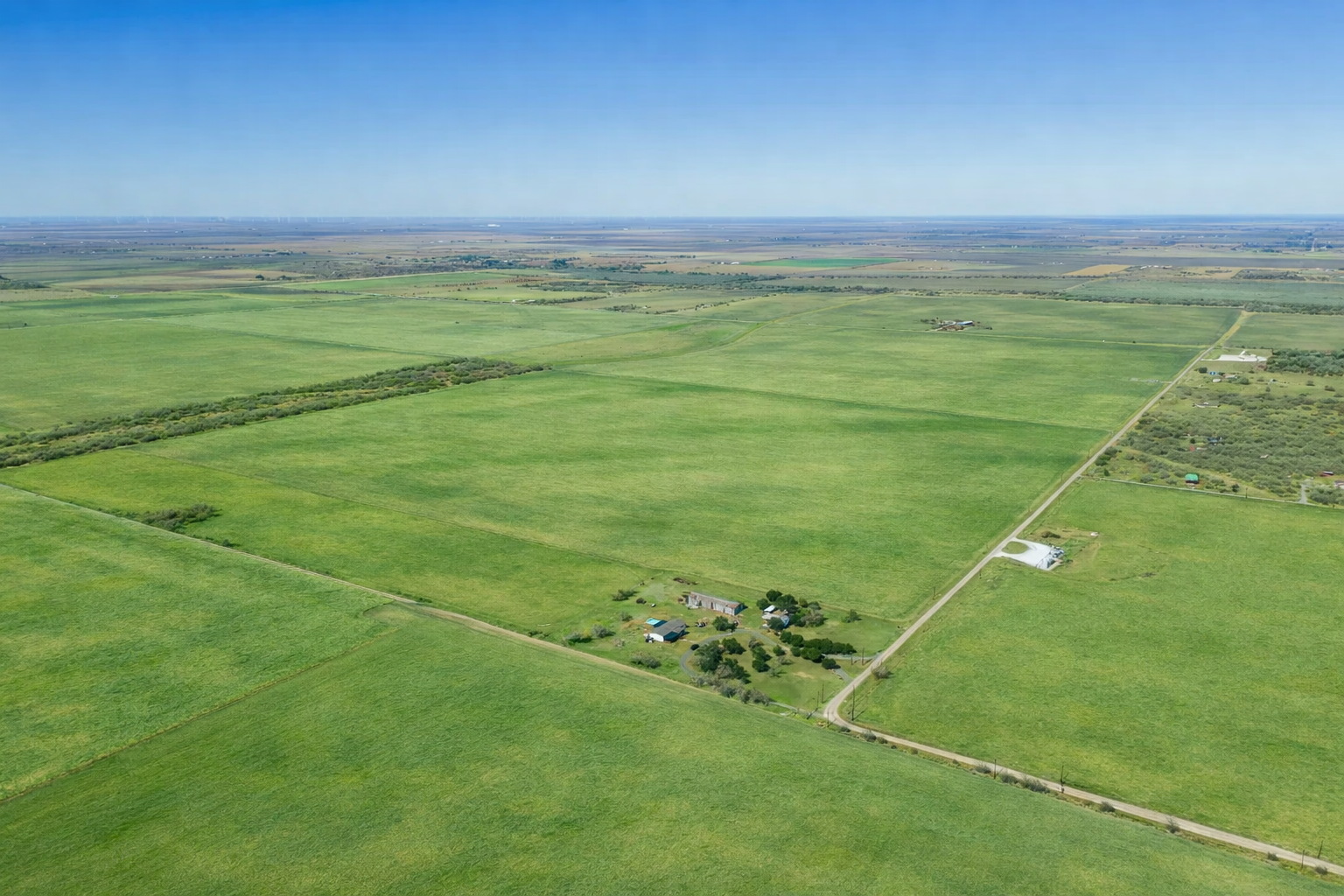
Every buyer sees the land in person before buying, and that’s the best time to settle your flood questions. Here are the three properties we have near Corpus Christi right now. Treat them as land you can look up on the map and go see, not as land we’ve cleared for flooding.
- Nueces Ranch: 10-acre tracts on paved Co Rd 69, about 20 minutes from Corpus Christi. Wells are required. Robstown ISD. Your deed is recorded with the Nueces County Clerk.
- Victory Ranch: 10-acre tracts on paved Co Rd 48 near Orange Grove, about 35 minutes from Corpus Christi. Wells are required. Agua Dulce ISD. Nueces County.
- Victory Estates: 5-acre tracts near Sinton on FM 1945 and CR 2253, about 30 minutes from downtown Corpus Christi. Sinton ISD. San Patricio County.
Each page lists the parcel ID and coordinates, and you can call or text 806-606-0824 to set a time to see the land. On the tour, walk the tract, find your likely home site, look at the drainage and the road, and pull up the FEMA map together if that helps. If you’d like a second opinion on a spot, a local surveyor can give you a precise answer.
Owner financing doesn’t skip due diligence
Our owner financing comes with simple approval and no minimum credit score, and we do check credit and verify income. None of that changes what smart buyers check first. A flood-map lookup, a call to the county, and a walk of the land are the same whether you pay cash, use a bank or finance with us. At closing, your deed is recorded with the county, and Victory holds the lien until the land is paid off. Read how owner financing works on Texas land or our owner financing process to see the steps.
See the land near Corpus Christi in person
Open a property page to check the parcel and the map. Or call or text 806-606-0824 and we’ll help you look up the map.
See available land Call or text 806-606-0824See Available Land
Owner-financed land near Corpus Christi, with your deed recorded at closing. Prices and availability change, so check each page.
Frequently asked questions
How do I check if land near Corpus Christi is in a flood zone?
Look up the exact tract, not the city. Open the FEMA Flood Map Service Center, enter the address or the coordinates from the property page, and read the official flood map for that spot. Zones that start with A or V are high-risk areas. Zones B, C and X are moderate to lower risk. Then call the county floodplain office with the parcel ID to confirm.
Does a flood zone mean I cannot buy the land?
No. A flood zone does not stop you from buying land. It can change what you need before you build, such as a floodplain development permit and an elevation certificate, and it can affect flood insurance for a home. Ask the county and an insurance agent about the specific tract before you make plans.
Do I need a floodplain permit to build in unincorporated Nueces County?
If the spot you want to build on is in an area of flood hazard, yes. Nueces County Public Works says no structure can be built and the land cannot be altered there until a Floodplain Development Permit is issued, and an elevation certificate is needed first. Call Public Works at (361) 888-0490 with your parcel ID to ask about your tract.
Will I need flood insurance if I buy land near Corpus Christi?
It depends on the zone where your home or building sits and on how it is financed. FEMA says federally regulated or insured lenders must require flood insurance for buildings in a high-risk Special Flood Hazard Area with a federally backed loan. Outside those areas it may not be required, but FEMA still recommends it, and most homeowners policies do not cover flood damage. Ask an insurance agent about your exact site.
Are Victory Land Sales tracts in a flood zone?
We do not give a yes or no for a whole property, because the answer can change from one tract, and one part of a tract, to the next. Each property page lists the parcel ID and coordinates. Look the tract up on the FEMA map, and if you want help reading it, call or text us and we can go over it when you come see the land.
What should I check on a tour if I am worried about flooding?
Walk the whole tract. Look at where water would drain, any low spots, ditches or culverts, and how the road in sits compared to the land. Pick your likely home site, then check that exact spot on the FEMA map and ask the county floodplain office what it would need from you.
Find your place in the Coastal Bend
Check the map, then come walk the land. Call or text 806-606-0824 anytime.
See available land Call or text 806-606-0824Follow Victory Land Sales


New land, buyer tips and stories from the field.
About the author
Bo “Knows Dirt” Birkeland, VP of Victory Land Sales
Bo Birkeland is all about land (it's in his name!), real estate, and helping people find their perfect spot to call their own. As the sales leader of Victory Land Sales, he connects buyers with great properties, whether for building, investing, or just having a place to escape. He knows firsthand what it means to own land and loves helping others find their own slice of it.