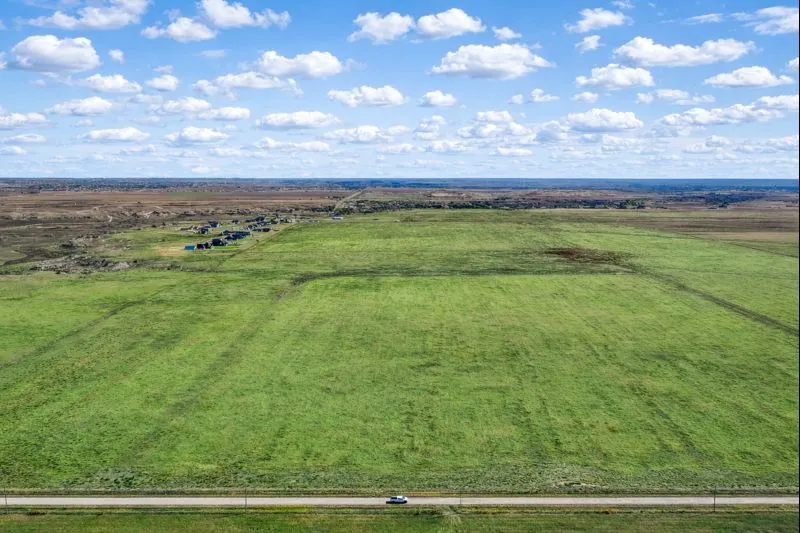

Short answer: Raw land can be a long-term hold: it has no tenants, little upkeep and no building to wear out. But it produces no income by default, its value can rise or fall, and it can be hard to sell fast. Buy only what you can hold comfortably, know your carrying costs, and read the written deed restrictions for the exact tract first.
This article is general information, not financial, investment or tax advice. Talk with your own advisor before you buy any property as an investment.
The problem: stocks feel abstract, rentals feel like a second job
You want to put money in something you can see. Stocks swing, savings accounts feel flat, and rental houses come with repairs, tenants and phone calls at 2 a.m. Land looks simple, but it comes with its own risks, and most online advice either oversells it or ignores the details.
This guide skips the hype. We won't tell you what land will be worth in ten years, because nobody can honestly promise that. Instead, we'll walk through what raw land does well, what it doesn't do, the costs people forget, and the checks we'd want any buyer to run before they sign. If you're ready to look at tracts now, browse all available land.
The desire: something real, quiet and yours
A deed in your name. Ground you can walk on. An asset that needs no roof repair. Land you can hold for years, use on weekends, hunt on (on tracts over 10 acres), or build on when the time comes, and pass down to your kids. One buyer on our reviews page put it simply: they're ready to start their "generational land."
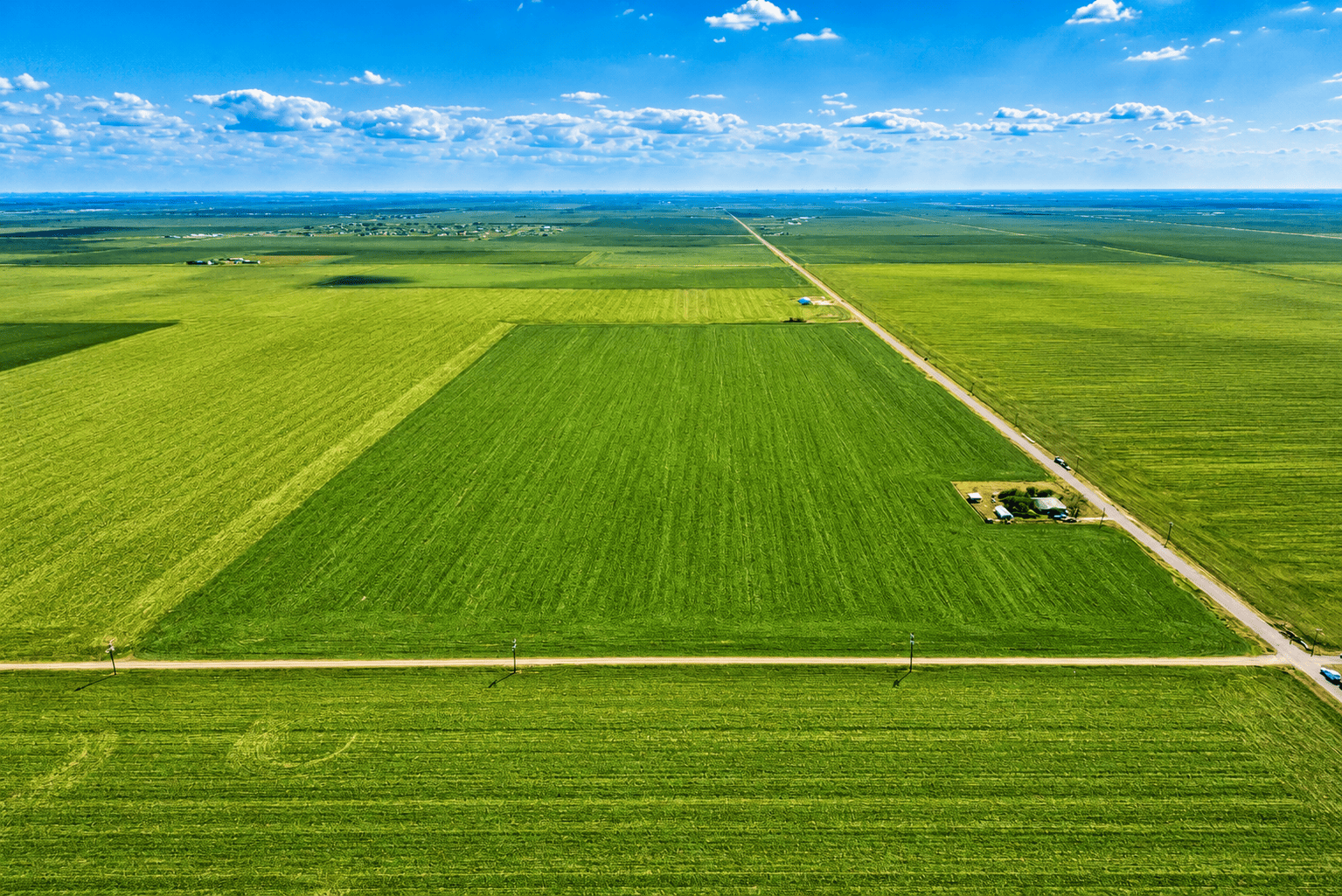
The solution: buy carefully, hold simply, and know the limits
We cannot promise what land will be worth. What we can do is show you how to hold it responsibly.
What raw land does well
- Low maintenance. There is no building to repair. You pay property tax and maybe mow, clear brush or keep up a fence.
- Flexible use. Depending on the tract's restrictions, you can hold it, camp on it, run animals, farm, run a business, hunt (on tracts over 10 acres) or build later.
- Straightforward ownership. On our tracts, the deed is recorded in your name with the county at closing, and the tract pages list a free survey provided by us.
What raw land does not do
- It does not produce income on its own. Leasing for grazing or farming takes effort, and whether it's allowed depends on the tract. Restrictions vary by tract, so ask us for the written restrictions before you count on any lease. See our ag valuation guide for what Texas requires for agricultural valuation.
- It may not sell fast. Raw land can take longer to sell than a house. Don't buy land with money you may need back in a hurry.
- Value can move either way. Location, roads, water, nearby growth and the broader economy all play a part, and none of them are certain.
- Carrying costs are real. Property tax every year, insurance if you want it, plus fencing and weed or brush control.
Before you buy land to hold, ask these first
- Can I comfortably hold this land for years without needing to sell?
- What do the written deed restrictions say about leasing, animals and building?
- What will property taxes and upkeep run each year?
- Is there legal access, power and a plan for water?
- Is any part of the tract in a floodplain?
The costs of holding land, one by one
The purchase price is only the start. Before you buy, write down what it will take to hold the land for as long as you plan to keep it. A tract that's easy to buy but stressful to carry isn't a good hold.
Property taxes
Texas has no state property tax. Local governments such as the county, the school district and other local taxing units set the tax, and each county's appraisal district sets the appraised value. That means taxes differ by county and even by tract. Ask the county appraisal district about the tract's current valuation, and look up the parcel on the appraisal district's website, where most Texas counties post values and past tax amounts. If the land carries an agricultural valuation, read our guide to ag exemptions and rollback taxes before you change how the land is used.
Upkeep
Raw land is low upkeep, not no upkeep. Plan for mowing or shredding, brush control, and keeping a fence or gate in shape if you run animals. In South Texas and the Valley, brush can grow back fast. On the High Plains, wind and weeds are the usual chores.
Insurance
Many owners of bare land carry liability coverage in case someone gets hurt on the property. Ask your insurance agent what makes sense for vacant land.
Improvements
If you add a well, septic, a driveway, a barn or a home, those costs belong in your plan too. Our well and septic guide covers what raw land usually needs before you can live on it.
Before you buy, check these seven things
- Written deed restrictions for the exact tract. Restrictions vary from property to property, and sometimes from tract to tract within one property. See restricted vs unrestricted land.
- Access and utilities. Legal access, road type (paved or dirt) and power. Our tract pages list the road and the power provider.
- Water. Whether you'll need a well, and what nearby wells look like. The Texas Water Development Board keeps a public groundwater database with well reports you can search by area.
- Floodplain and drainage, especially on the Coast and in the Valley. You can look up flood zones on FEMA's Flood Map Service Center, and it's worth walking the land after a rain if you can.
- Taxes. Ask the county appraisal district about the tract's current valuation, as above.
- Your exit. Think now about how you would sell someday: who the likely buyers are, whether you'd offer owner financing yourself, and how long you could wait for the right buyer.
- What you might build. If you might build later, check that the restrictions allow the home type you have in mind. Our guide to putting a mobile home on land in Texas covers the common rules.
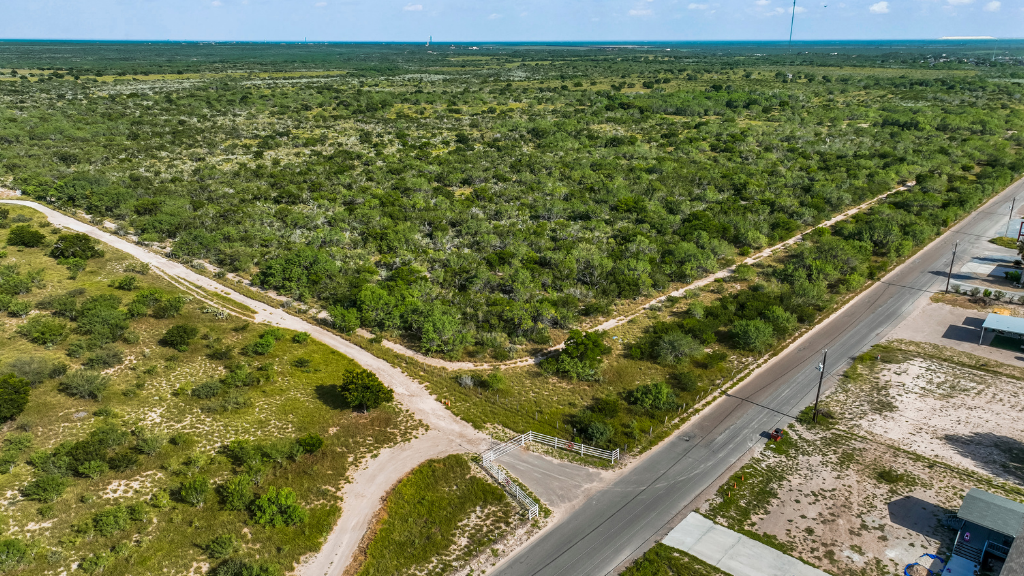
How to compare tracts side by side
When you're weighing land as a long-term hold, compare tracts on the things that don't change easily. A simple checklist helps:
- Drive time to the nearest city, jobs and hospitals. Every one of our tract pages lists the drive time.
- Road frontage. Paved road or dirt road, and who maintains it.
- Power. Which provider serves the tract.
- Water. Well needed, or already in place.
- Size and shape. Acreage, and whether the tract is long and narrow or closer to square.
- School district, which matters to future buyers who have kids, even if it doesn't matter to you today.
- Restrictions. What you and a future buyer can do with the land.
- Price. Compare listing prices and acreage across tracts you're considering.
Write these down for each tract you look at. It's the easiest way to keep from falling for a pretty sunset and missing a dirt road that washes out.
Thinking about your exit from day one
A good hold starts with a plan to let go someday, even if that day is decades away. Some owners plan to pass land down to family. Others plan to build and stay. Some plan to sell. Whatever your plan, a few habits make it easier later: keep your recorded deed and survey somewhere safe, keep property taxes current, keep the land clean and accessible, and keep records of any improvements you make. If you plan to leave land to family, talk with an estate attorney about how to title it.
By market
- Amarillo and Randall County. Amelia Vista Estates and Amarillo East are about 15 minutes southeast of Amarillo, and Canyon is about 5 minutes west of Canyon and 25 minutes to Amarillo, per the tract pages. See all Amarillo-area land.
- Lubbock area. Reid Farms, Hockley Farms, Yolanda Farms, Abernathy and Theresa Farms sit about 15 to 40 minutes from Lubbock. See all Lubbock-area land.
- Corpus Christi and the Coastal Bend. Nueces Ranch, Victory Ranch and Victory Estates are about 20 to 35 minutes from Corpus Christi. Flood maps matter here. See all Corpus Christi land.
- Rio Grande Valley. Rancho La Vista near La Feria and Rancho La Victoria near Santa Rosa are about 15 to 20 minutes from Harlingen, and Rio Grande City offers 10-acre tracts about 10 minutes from town. See all Rio Grande Valley land.
Owning your own land is easier than you think. We offer owner financing with simple approval and no minimum credit score, so you can work directly with us instead of a bank. Learn how it works on our owner financing process page.
See Available Land
Owner-financed tracts across Texas, available right now.
The proof: what we can state
- Our site says "Over 4,000 acres sold & hundreds of families helped."
- Power available on all lots, per our tract pages.
- Free survey provided by us and a deed recorded with the county, as stated on the tract pages.
- Veteran owned and operated. See About.
Reviews, unedited, from our Reviews page:
"We had the easiest and most safe help from Bo and the team! Answered every call and question we had and helped smooth the layout and plan for us to acquire our new land! Ready to start our generational land for me and my wife! Most excited to build the new Broncos stadium." — Alejandro F
"Dayton along with Logan are great to work with. Both are on time taking care of business. Thanks again." — Donald W
Frequently asked questions
Is buying land in Texas a good investment?
It can be a good long-term hold for some buyers, but no one can guarantee that land will go up in value. Buy only what you can hold comfortably, and check the deed restrictions, access, water and floodplain first. This is general information, not financial advice.
Does raw land make money?
Not by itself. Raw land produces no income unless you lease it, farm it or build on it, and you need to confirm in the written deed restrictions what is allowed on the exact tract.
What are the risks of holding raw land?
The main risks are slow resale, prices that can move either way, ongoing carrying costs such as property tax and upkeep, and deed restrictions that limit how the land can be used.
What are the costs after I buy land?
Expect yearly property tax, upkeep such as mowing, brush control and fencing, insurance if you choose to carry it, and the cost of anything you build, like a well, septic or driveway.
Can I lease my land for grazing or crops?
It depends on the tract. Restrictions vary by property, so ask Victory Land Sales for the written restrictions before you plan on leasing the land.
Is owner financing safe?
Read the contract and the deed before you sign, and ask questions. With Victory Land Sales, the deed is recorded in your name with the county at closing. Call or text 806-606-0824 and we will walk you through how it works.
Talk through a tract
Want a straight answer about a specific tract, its restrictions, access or water? Browse Amarillo, Lubbock, Corpus Christi and the Valley, see all available land, or call or text Victory Land Sales at 806-606-0824. We're happy to walk you through any property and send you the written restrictions.
General information only, not financial, investment or tax advice. Land values can go up or down, and past sales don't predict future results.
Follow Victory Land Sales


New land, buyer tips and stories from the field.
About the author
Bo “Knows Dirt” Birkeland, VP of Victory Land Sales
Bo Birkeland is all about land (it's in his name!), real estate, and helping people find their perfect spot to call their own. As the sales leader of Victory Land Sales, he connects buyers with great properties, whether for building, investing, or just having a place to escape. He knows firsthand the freedom that comes with owning land and loves helping others find their own slice of it.