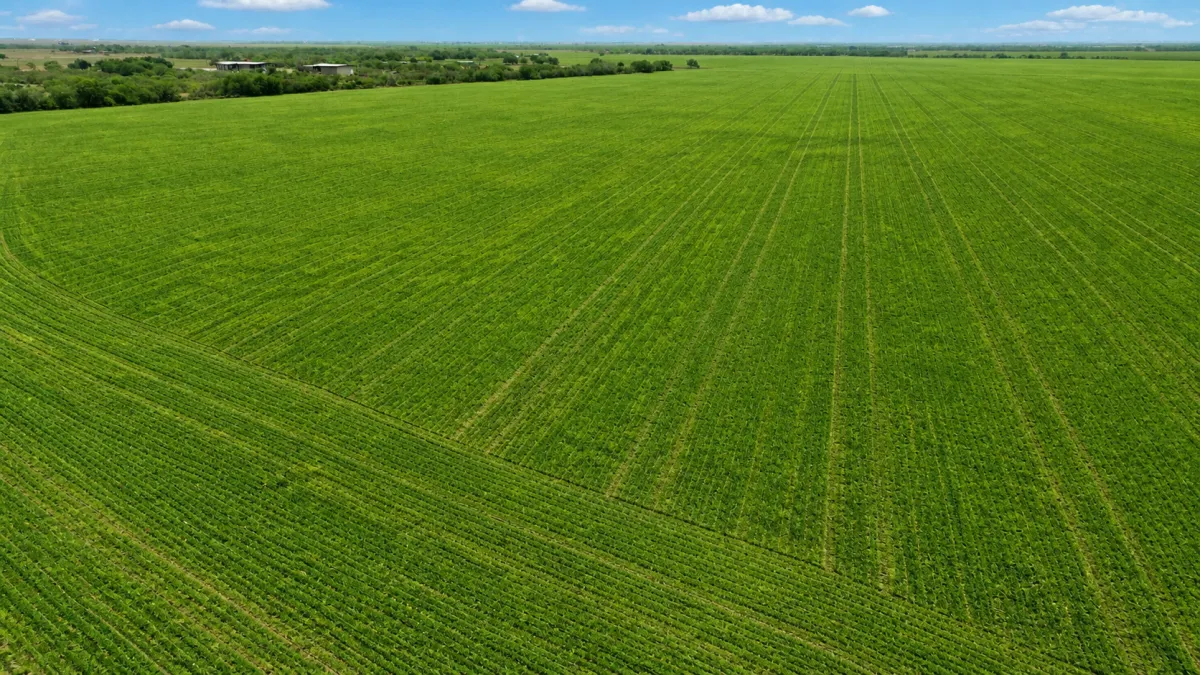

Short answer: A hunting lease is usually the cheaper way to hunt a big piece of ground for one season. Owning costs more each month, but the land is yours all year, nobody can decline to renew it, and the payments go toward land in your name. Texas lease prices depend on the region: the 2025 Texas Rural Land Value Trends report lists about $10 to $30 per acre per year in the Coastal Bend. If you want the same spot every season, owning a tract over 10 acres is worth pricing out.
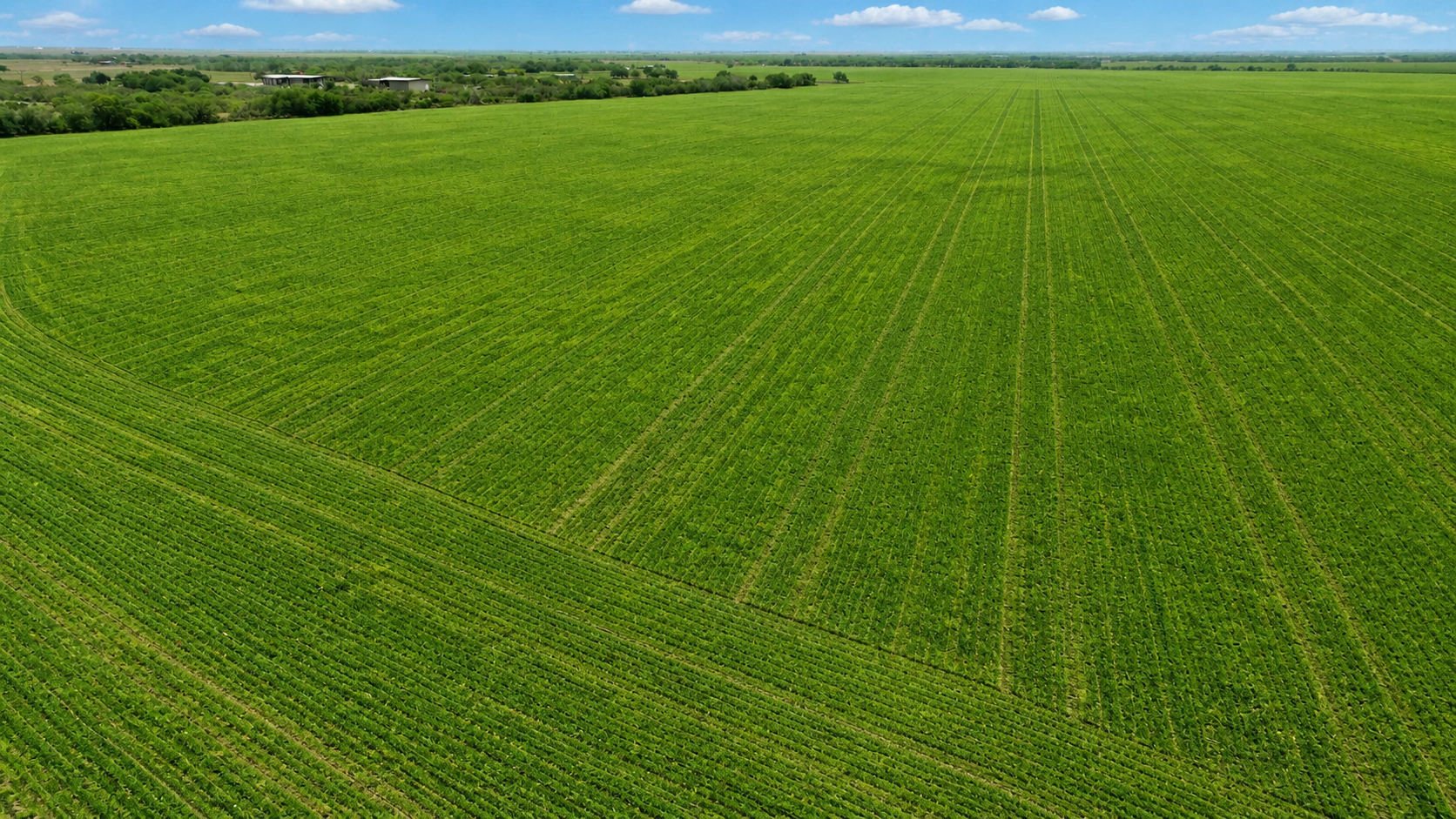
Search “deer lease Texas” in the fall and you will find plenty of options: shares on big ranches, day hunts, season leases that fill up by summer. Search “hunting land for sale Texas” and most of what comes up is priced for someone with a lot more cash. This guide lays out what a lease really gets you, what owning gets you, and how a monthly payment on land compares. It also lists Victory tracts over 10 acres, where hunting is allowed, with the price and monthly payment from each property page.
How hunting leases work in Texas
Many Texas hunters without land of their own lease it. A typical lease gives a hunter or a group the right to hunt a ranch for a season or a year. The landowner sets the price, the rules and who else is on the property.
Lease prices are usually quoted per acre per year, then split among the members. The 2025 Texas Rural Land Value Trends report, published by the Texas Chapter of the American Society of Farm Managers and Rural Appraisers, lists these ranges for hunting leases on rangeland:
| Region (2025 report) | Hunting lease price, per acre per year |
|---|---|
| Coastal Bend | $10 to $30 |
| Upper South Texas (Upper to Mid Brush Country) | $10 to $30 |
| Rio Grande Valley | $8 to $25 |
Here is an example of the math (not a quote for any real lease). A 500-acre lease at $20 per acre costs $10,000 a year. Split five ways, that is $2,000 per hunter for the year. Prices swing a lot with location, water, cover, lodging and how many hunters share the ground.
Two TPWD rules apply to every lease. First, each hunter needs a Texas hunting license; TPWD says a license is required of any person, of any age, to hunt any animal or bird in Texas, with a few narrow exceptions. Second, a landowner or agent who leases hunting rights for pay must hold a TPWD hunting lease license and display it on the property (TPWD hunting licenses). It is fair to ask a landowner to show it.
What you get when you own
Owning works differently. You pay for the land, not for a season. Here is how the two compare:
| Hunting lease | Owning land over 10 acres | |
|---|---|---|
| What you pay | A per-acre price for the season or year, often split among a group | A down payment, then a fixed monthly payment on land in your name |
| How long you have it | Until the lease ends; renewal is up to the landowner | As long as you own it |
| Who else hunts | Usually other lease members | Only the people you invite |
| Stands and feeders | Depends on the lease terms | Your call, within TPWD and county rules |
| Use outside season | Often limited or none | Year-round: scouting, camping, a cabin or future home site |
| Property taxes | The landowner pays | You pay; wildlife or ag valuation may lower the bill if you qualify |
| At the end | You keep nothing | You keep the land |
On land you own, the TPWD rules still apply. TPWD lists baiting as legal for game animals, except wild turkey in the East Zone and migratory game birds, and allows hunting animals from a vehicle inside private property boundaries. It is unlawful to fire a gun so the bullet crosses a property line without written permission, or to shoot on or across a public road (TPWD means and methods). Your county may also have rules on firing guns, so call before you set up.
The monthly math
Here is a real example from one of our property pages. Amelia Vista East, southeast of Amarillo in Randall County, has a 30-acre tract listed at $129,900. With owner financing, that is 10% down ($12,990) and $1,457 a month, as shown on the property page. Twelve payments come to $17,484 a year.
Be honest with yourself about that number. In cash per year, a share on a big lease often costs less. The difference is what you get for the money:
- The land is yours. The deed is recorded in your name at closing. A lease leaves you with nothing when it ends.
- No renewal worries. Nobody can sell the ranch out from under your stand or give your spot to someone else.
- It works all year. Camp in the spring, scout in the summer, hunt in the fall. Many leases limit off-season access, so read the terms.
- Room for more. The same land can hold a camp, a garden or a future home site.
Some buyers think of it like a truck payment: a fixed amount every month, except it goes toward land in your name.
Want to price out owning instead of leasing?
Amelia Vista East has 30-acre and 71-acre tracts about 15 minutes southeast of Amarillo, in Panhandle mule deer country.
See the land and pick a tour time Call or text 806-606-0824When a lease makes more sense
- You want to hunt hundreds or thousands of acres for one season.
- You are trying out a region before you settle on one.
- You hunt only a few weekends a year and do not want upkeep, taxes or a monthly payment.
- You want lodging, a skinning shed or other improvements already in place.
When owning makes more sense
- You want the same place to hunt every year, without waiting on a renewal.
- You want to bring your kids or grandkids to land the family owns. TPWD sets youth-only deer seasons each year; see our 2026–27 Texas deer season dates.
- You want to build a camp, put in your own stands, or live on the land someday.
- You want to manage the land for wildlife. Our post on wildlife and beekeeping tax valuations covers how that can work on the tax side.
Owning does come with its own costs: property taxes, any fencing or stands you add, and your own time. Count those before you decide.
What to check before you buy land to hunt
- Tract size and shape. A long, narrow tract leaves less room for safe shooting lanes than a square one of the same size. Our guide to how much land you need to hunt in Texas goes deeper.
- Roads and neighbors. Know where the road, homes and barns are, and plan stands that face into your own land.
- Legal access. Make sure you can legally reach the land; see road access and easements.
- Property rules. Each property page lists its rules, so read them before you buy.
- Walk it. We do not make claims about game on any specific tract. Cover, water and the neighbors’ land decide what moves through, so see it for yourself.
Land over 10 acres you can hunt
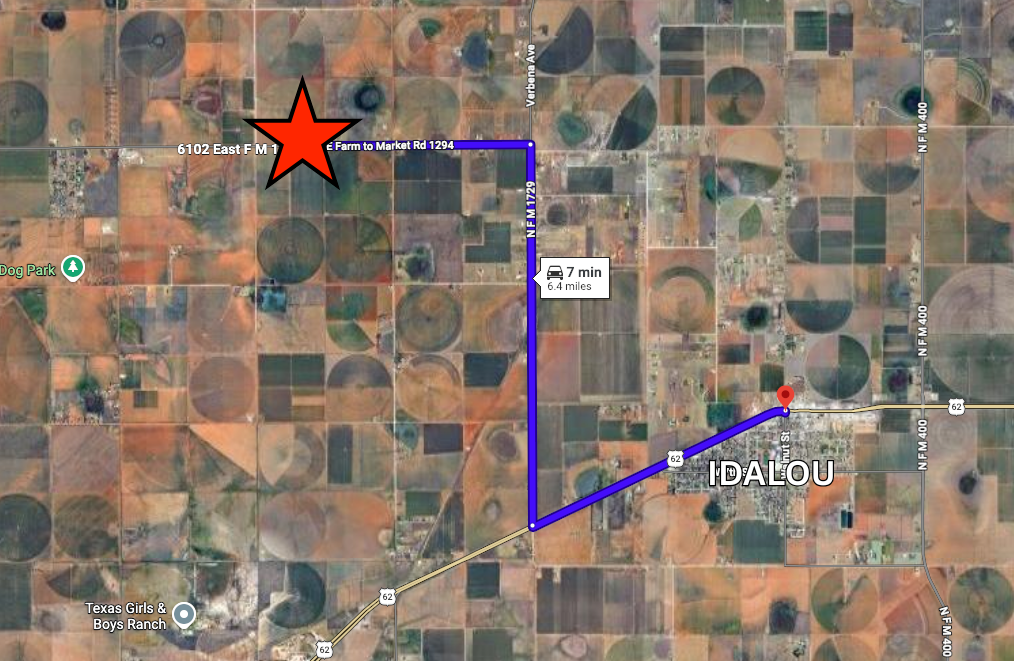
Hunting is allowed on these Victory tracts over 10 acres. A license, TPWD rules and county rules still apply.
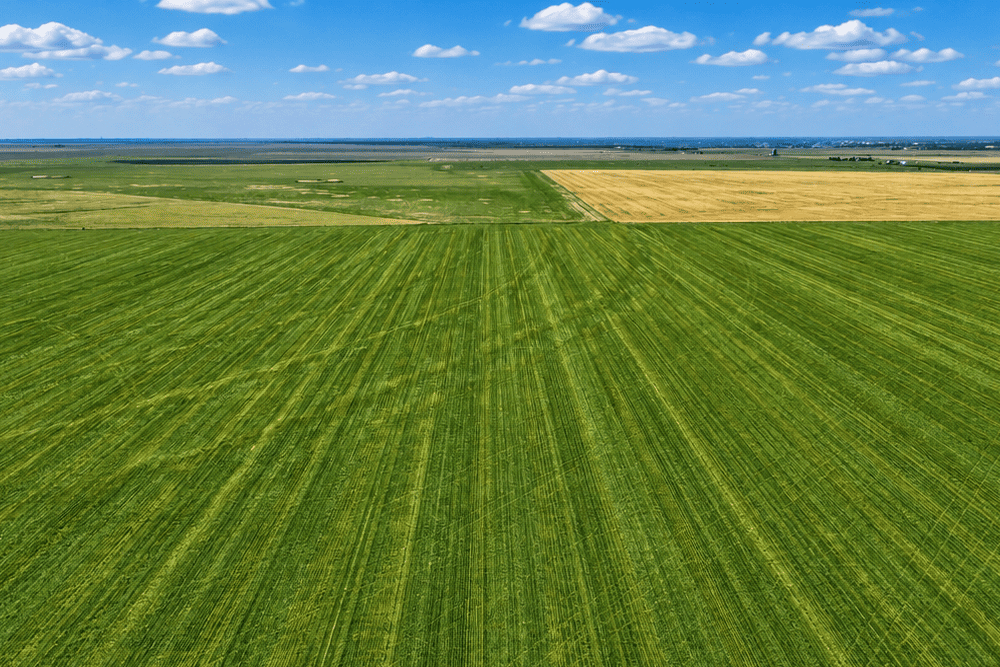
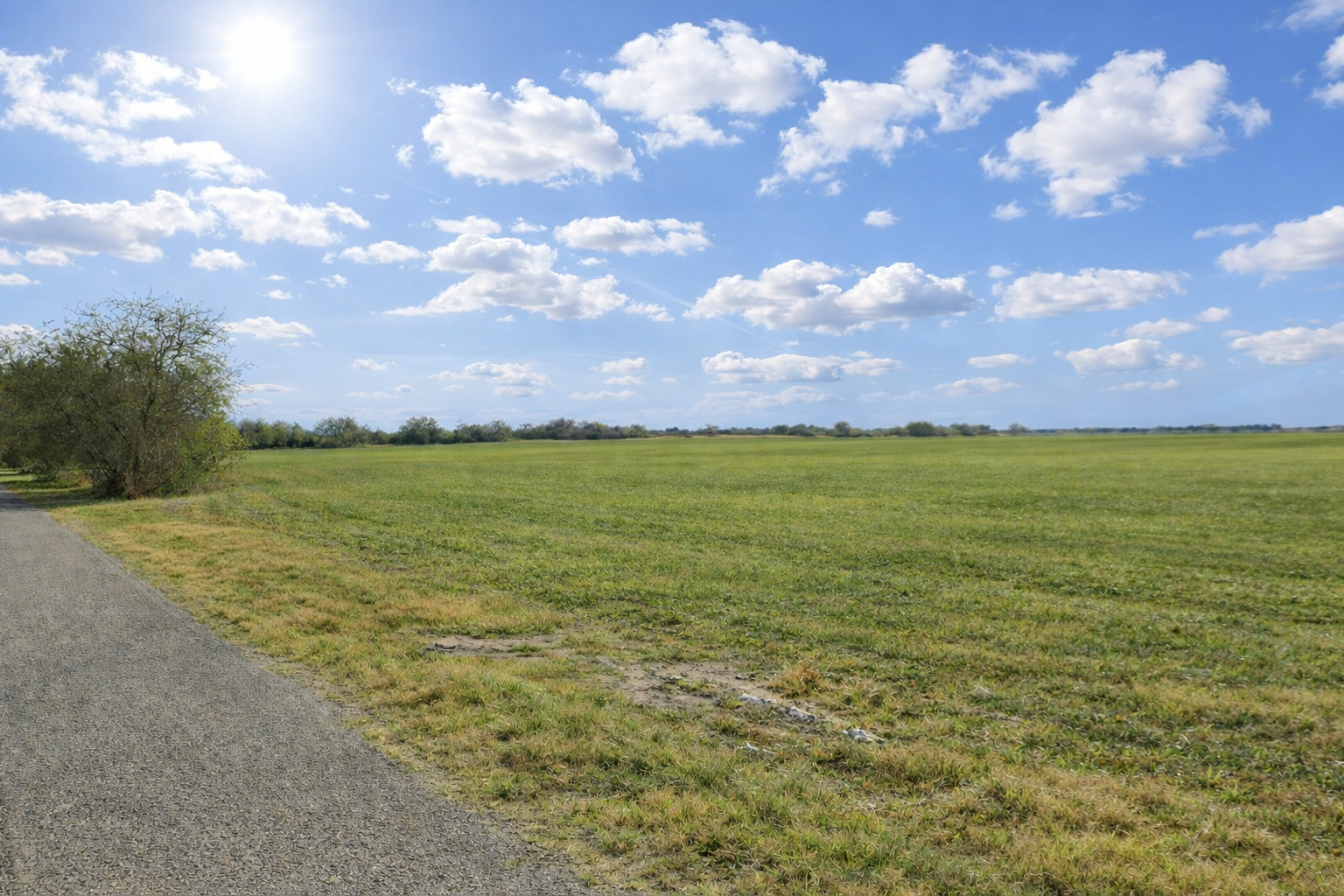
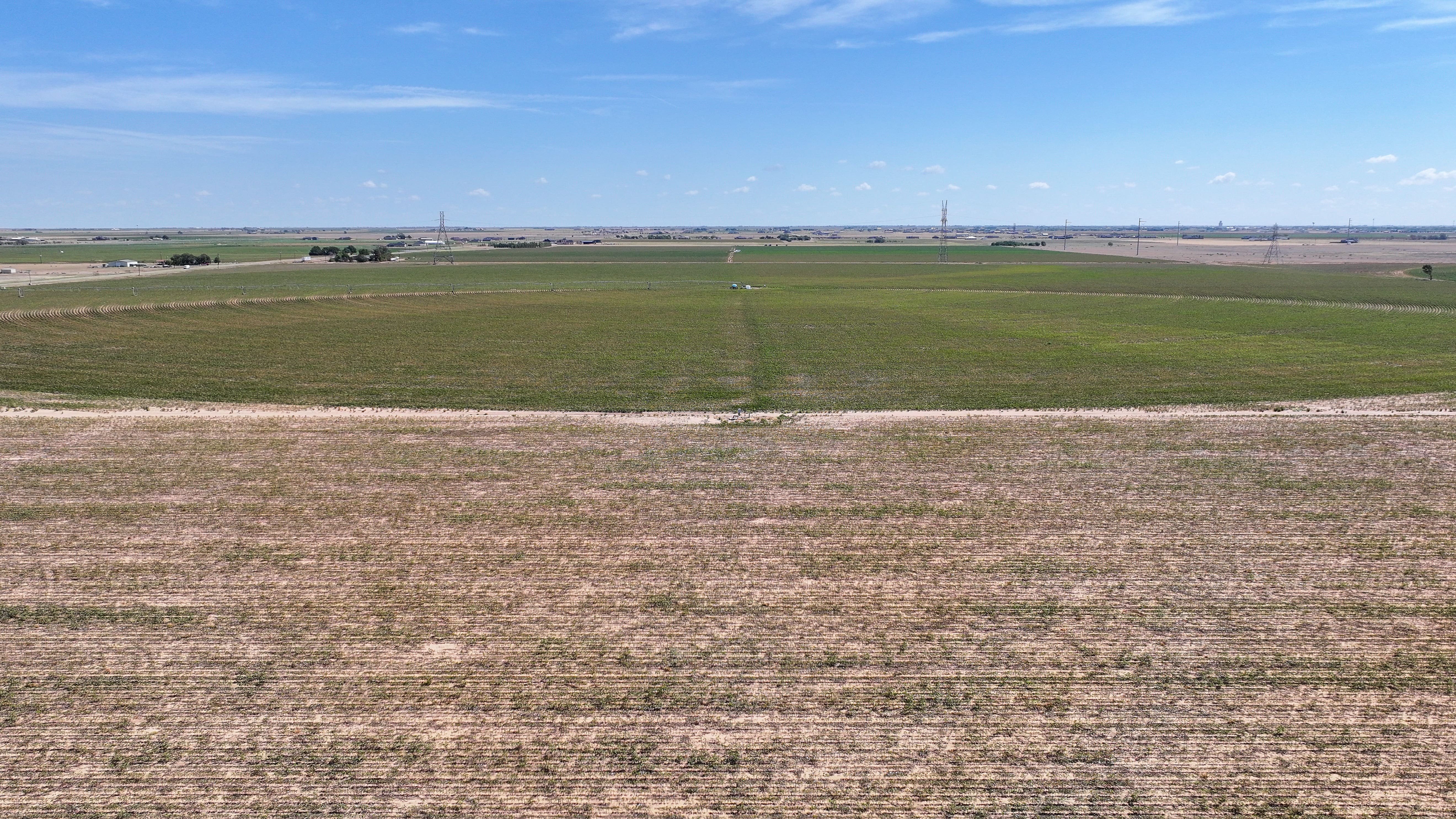
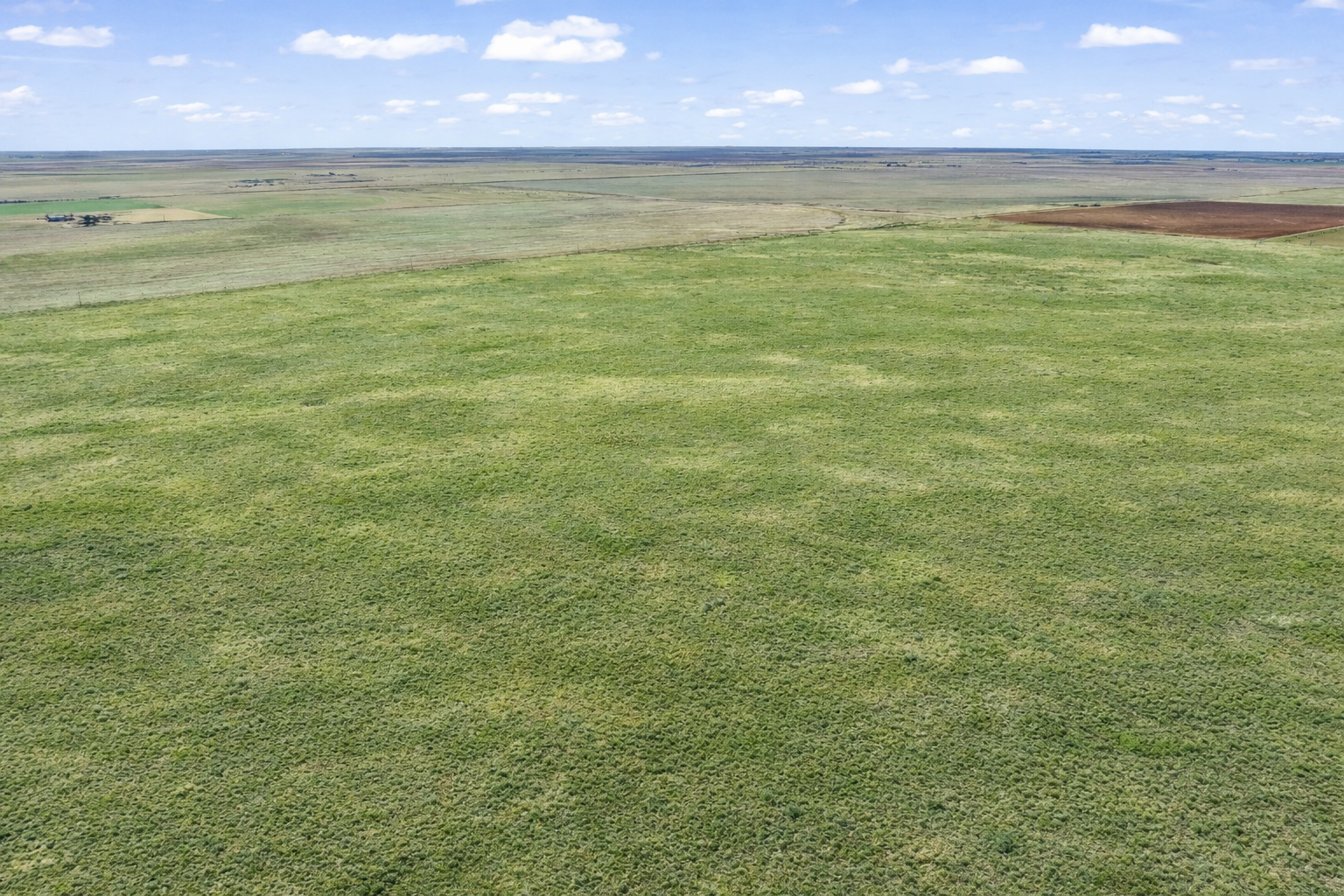
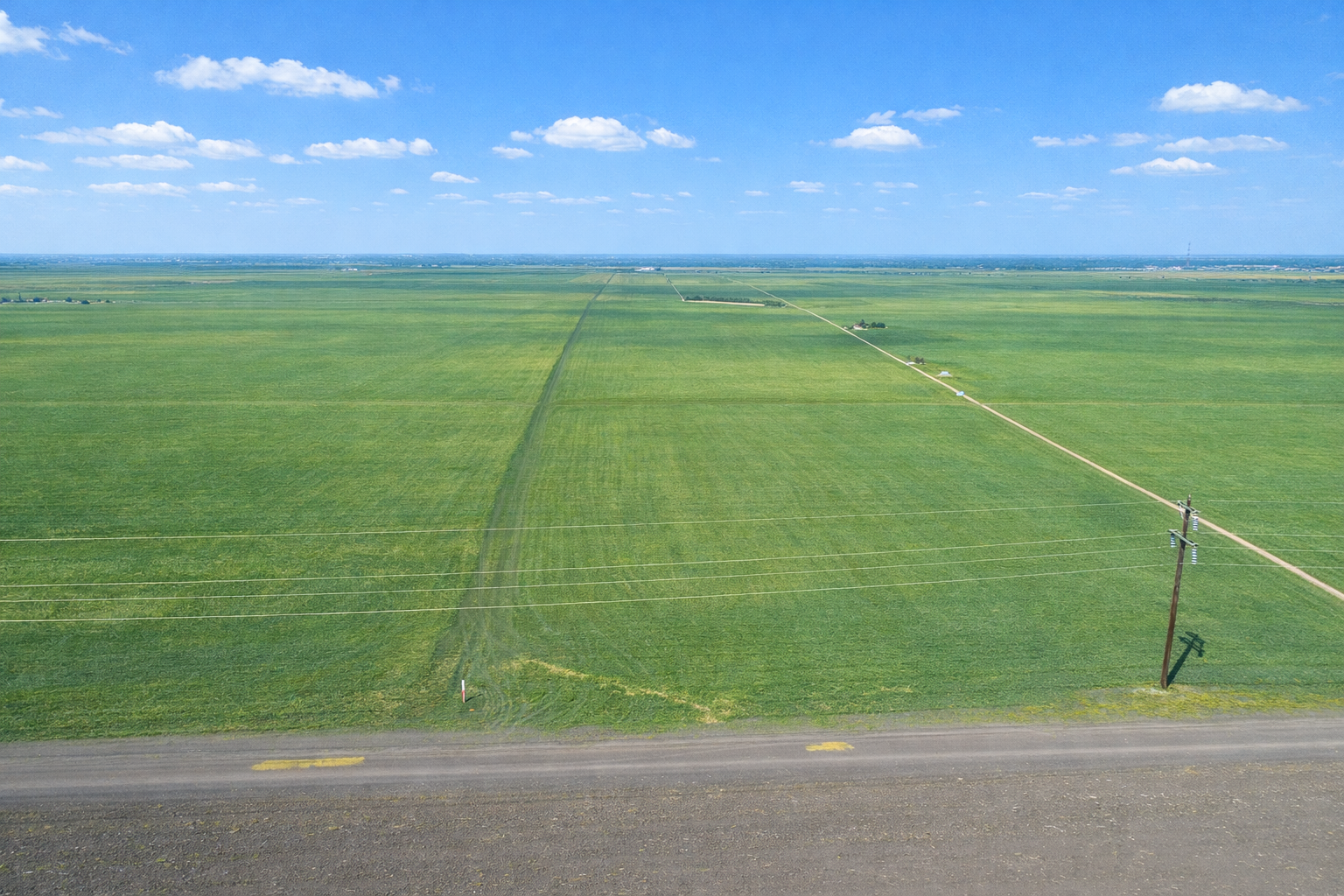
Prices, down payments and monthly payments are copied from each property page as of November 27, 2026 (pages updated November 23, 2026). The current price is shown; some pages also show a struck-through former price. Prices and availability change, so check the page or call before you visit.
Buying with owner financing
Victory offers owner financing with simple approval and no minimum credit score. The down payment is 8% on tracts under $100,000 and 10% on tracts at $100,000 or more, so every tract above takes 10% down. Each property page shows the monthly payment. At closing, the deed is recorded in your name with the county. Victory Land Sales is veteran-owned, and you can also buy with cash or your own bank loan.
Read more in our guide to how owner financing works, on our owner financing process page, or in how much down you need to buy land in Texas.
Frequently asked questions
How much does a hunting lease cost in Texas?
It depends on the region and the land. The 2025 Texas Rural Land Value Trends report lists hunting leases on rangeland at about $10 to $30 per acre per year in the Coastal Bend and Upper South Texas, and $8 to $25 in the Rio Grande Valley. Most leases are priced per acre and split among a group of hunters.
Is it cheaper to lease or buy hunting land in Texas?
For a single season, a lease share usually costs less cash than owning. Owning costs more each month, but the land is yours year-round, the payments go toward land in your name, and you can use it for more than hunting.
Do I need a hunting license if I hunt on a lease?
Yes. TPWD says a hunting license is required of any person, of any age, to hunt any animal or bird in Texas, with a few narrow exceptions such as feral hogs on private property with landowner authorization. The same rule applies on land you own.
Does a landowner need a license to lease out hunting rights in Texas?
Yes. TPWD requires a hunting lease license of a landowner or agent who leases hunting rights to another person for pay or other consideration, and the license must be displayed on the property. TPWD sells small, medium and large versions based on acres.
Can I hunt on land I buy from Victory Land Sales?
Hunting is allowed on Victory tracts over 10 acres. You still need a Texas hunting license, must follow TPWD seasons, bag limits and rules, and should ask the county about local rules on firing guns.
Can I buy hunting land with owner financing?
Yes. Victory offers owner financing with simple approval and no minimum credit score. The down payment is 10% on tracts at $100,000 or more and 8% under $100,000, and each property page shows the monthly payment.
Sources
- TPWD: Hunting Licenses (license rule, exceptions and hunting lease licenses)
- TPWD: Hunter Education requirements and exemptions
- TPWD: Hunting Means and Methods (baiting, property lines, roads)
- TPWD: Nongame, Exotic and Other Species (feral hogs)
- TPWD: White-tailed Deer 2026-2027 Seasons & Regulations
- Texas Chapter ASFMRA: 2025 Texas Rural Land Value Trends (hunting lease prices by region)
- Texas A&M AgriLife, Texas Agriculture Law: 2025 Rural Land Value Trends Report Released
TPWD pages read November 18, 2026. Seasons and rules change every license year (Sept. 1 to Aug. 31), so check the current Outdoor Annual for your county before you hunt. This post is general information, not legal advice.
Ready to stop renting your hunting spot?
Call or text our local team. We will tell you what is available over 10 acres, send you the property page and help you pick a time to walk the land.
See all available land Call or text 806-606-0824Follow Victory Land Sales


New land, buyer tips and stories from the field.
About the author
Bo “Knows Dirt” Birkeland, VP of Victory Land Sales
Bo Birkeland is all about land (it's in his name!), real estate, and helping people find their perfect spot to call their own. As the sales leader of Victory Land Sales, he connects buyers with great properties, whether for building, investing, or just having a place to escape. He knows firsthand what it means to own land and loves helping others find their own slice of it.